2026 Top Guide to Book Printing Inspection Process and Tips?
In the world of book printing, quality matters immensely. According to a recent industry report by Smithers Pira, nearly 70% of printing defects occur during production. These defects can tarnish the book’s image and affect sales. Therefore, a robust **Book Printing Inspection** process is crucial in ensuring high-quality outputs.
Investing in proper inspection methods can dramatically reduce the rate of errors. Simple checks can catch issues like color mismatches or binding problems early in production. With technology advancing, automated inspections are becoming a standard practice. Yet, many companies still rely on manual inspections, which can be prone to human error.
It's important to recognize that even experienced inspectors can overlook details. Regular training and updated processes are essential to addressing these shortcomings. As the industry evolves, the need for stringent inspection strategies will only grow. Quality assurance isn’t just a checklist; it's a commitment to excellence in every page.
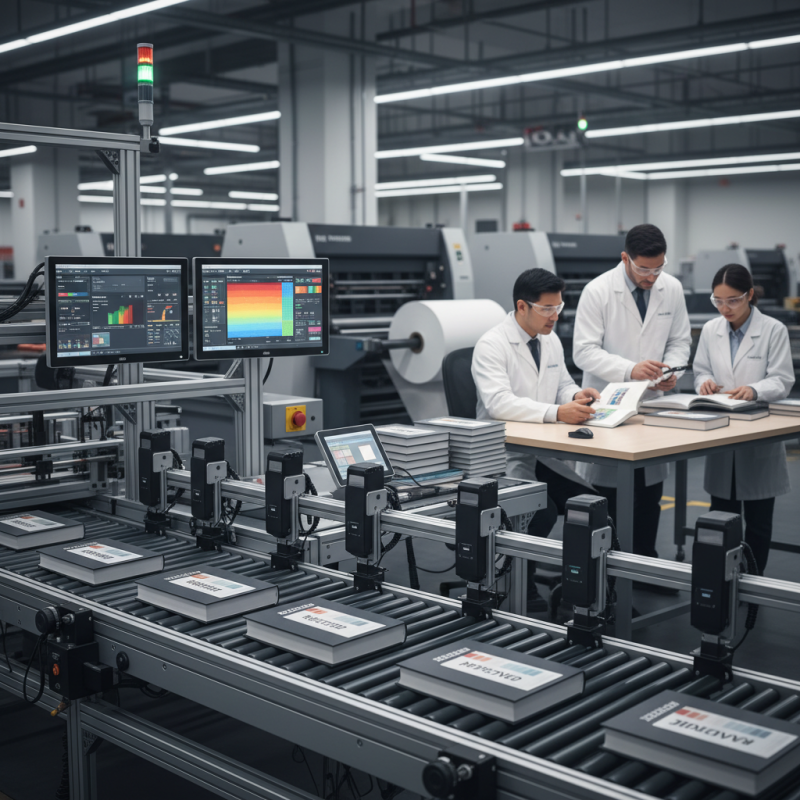
Understanding the Importance of Book Printing Inspection
Book printing inspection is crucial. It ensures that every detail meets expectations. A well-printed book can grab attention, while mistakes can ruin its appeal. This makes the inspection process essential for authors and publishers alike.
During inspection, pay attention to color quality. A slight deviation can make your images look dull. Check the paper texture too. Some papers may not hold ink well, affecting the final look. Inspect text alignment and margins; misalignment can create a sloppy impression.
Here are some tips: Always inspect a sample before the full print run. This helps catch errors early. Keep a checklist to track common issues you notice. Use natural light for color assessment; it reveals true colors better than artificial light. And, involve multiple eyes in the process; different perspectives can catch what you might overlook.
Key Steps in the Book Printing Inspection Process
Book printing requires a meticulous inspection process to ensure quality. The key steps involve checking materials, color accuracy, and binding integrity. Reports show that up to 30% of print defects can be traced back to insufficient inspection. Each stage in this process plays a critical role.
Start with material inspection. Ensure that paper quality aligns with project requirements. Low-quality paper can lead to issues like ink bleed and durability concerns. This can be costly, causing delays and affecting customer satisfaction. Surveys indicate that 25% of printers experience product returns due to material flaws. Inspect samples thoroughly to avoid this.
Next, focus on color accuracy. Print a test run to check against digital designs. A staggering 40% of print jobs misalign colors during production. This mismatch can occur even when settings appear correct on screen. Monitor any changes during the run. Adjustments should be made immediately. Binding integrity must also be assessed. Loose pages or alignment problems can ruin a printed book’s quality. Plan for regular checks during the binding phase. Each of these steps reflects a commitment to excellence, but it is essential to recognize areas for improvement. With careful attention, the final product can meet or exceed expectations.
Common Issues to Look for During Book Inspections
When it comes to book printing, thorough inspection is critical. Common issues often arise during this process. Color discrepancies frequently occur, making it vital to compare proofs against the final product. A significant report indicated that 30% of printing errors stem from color mismatches. Ensuring the printed material matches the intended design is crucial for quality assurance.
Another area of concern is the binding integrity. Loose pages or weak spine attachments can lead to a poor user experience. Data suggests that nearly 15% of books face binding issues, which may result in returns or negative reviews. Inspections should include physical stress tests on bindings to ensure durability.
Tips for inspections: Focus on layout alignment. Check margins and spacing meticulously. Even minor misalignments can affect readability. Use tools like calipers for precision. Additionally, create a checklist to track common issues during your inspection routine. This can help streamline the process and reduce oversight. Stay vigilant, and remember that minor flaws may slip through even after multiple reviews.
Tips for Effective Communication with Printers
Effective communication with printers is essential in the book printing process. According to a recent industry report by the Independent Book Publishers Association, nearly 70% of publishing errors could be attributed to miscommunication. Clear dialogues can significantly reduce these mistakes. Establish specific terms, such as dimensions, color formats, and paper types, upfront. This clarity aids in aligning expectations and minimizing costly revisions.
When discussing project timelines, be explicit about your deadlines. Printers need to know your launch date to prioritize jobs effectively. Check in regularly to track progress. Regular updates create a partnership, keeping both parties engaged. Additionally, apart from written communication, consider video calls to visually discuss elements like layout or binding. This can help ensure everyone understands the vision.
Communicating feedback also deserves attention. Express gratitude for efforts made, even when things are not perfect. Point out what works well along with areas needing improvement. This balanced feedback fosters a constructive atmosphere. Remember that building trust with your printer takes time. Being patient and understanding during the process pays off in the end.
2026 Top Guide to Book Printing Inspection Process and Tips
| Inspection Step | Description | Tips for Effective Communication |
| Pre-Press Proofs | Examine proofs for layout, color accuracy, and text alignment. | Clearly specify any adjustments needed before final approval. |
| Color Matching | Check printed colors against Pantone or provided samples. | Use color swatches to ensure accurate color representation. |
| Trim and Bleed Check | Ensure that trim lines are correctly aligned and bleed areas are sufficient. | Discuss the importance of bleed with your printer to avoid cutting errors. |
| Quality of Materials | Inspect paper quality, binding, and finishing details. | Request samples of materials to assess quality before printing. |
| Final Inspection | Review the final printed books for consistency and errors. | Create a checklist for final inspection to ensure thorough evaluation. |
Finalizing the Inspection Report and Next Steps
Finalizing the inspection report is a crucial step in the book printing process. Once the inspection is complete, it’s important to clearly document findings. This document should highlight defects, such as misalignment or color mismatches. Include photos where possible. Visual evidence strengthens the report significantly.
After compiling the report, review it carefully. Are there areas that need clarification? Pay close attention to feedback from inspectors. This stage is not just about facts; it also involves assessing the emotions tied to a project's integrity. Seek out constructive criticism. Not every inspection report will be perfect, and that’s okay. Each mistake is a learning opportunity.
Once finalized, share the report with all stakeholders. Transparency fosters better communication and understanding. Discuss the report in meetings. Identify actionable next steps based on findings. Engage in a dialogue about improving future print quality. Reflection on past mistakes will guide progress. Making changes will ensure better outcomes in subsequent projects. Each book tells a story, and so does its production process.