2026 Top Automatic Filling Machine Types for Global Buyers

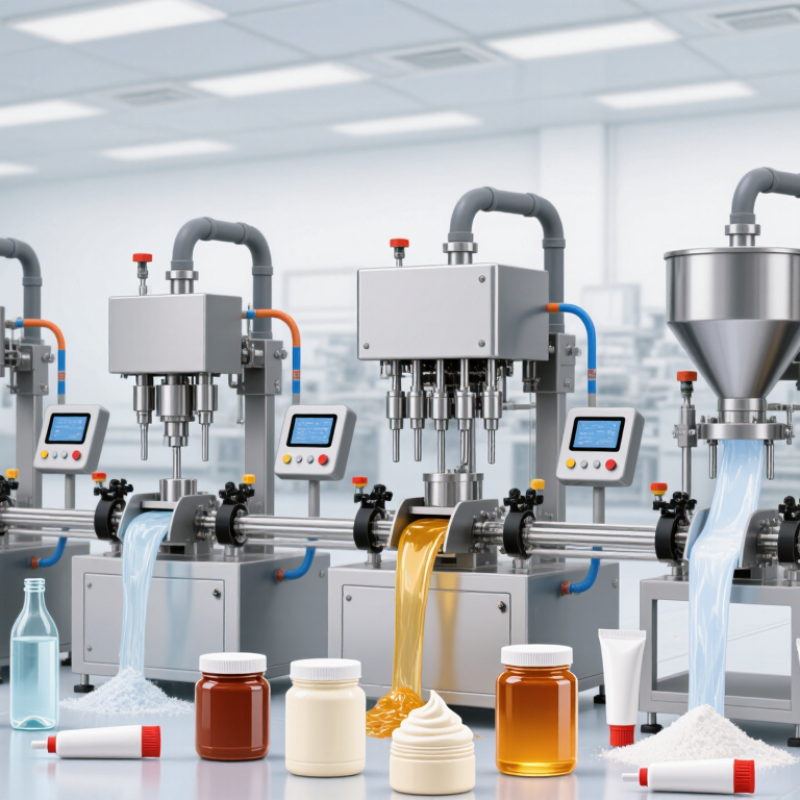
Choosing the right automatic filling machine in 2026 requires more than comparing speed figures. Global buyers must examine product viscosity, container shape, filling accuracy, cleaning needs, and local installation conditions. A machine handling thin bottled water may struggle with honey, creams, sauces, or particulate products. The details matter.

This guide introduces the leading automatic filling machine types for international purchasing teams. It explains how piston, pump, gravity, overflow, auger, and peristaltic systems operate. Each technology suits different materials and production targets. For example, a piston filler can deliver consistent portions for thick products, while an overflow filler supports a uniform appearance in transparent bottles. Some machines offer servo control, recipe storage, and touchscreen monitoring. Others remain simpler and easier to maintain.

Speed is not everything.

Buyers should also review contact materials, changeover time, nozzle design, filling tolerance, and available technical support. Hygienic construction can reduce residue around valves and product lines. Clear documentation helps teams confirm electrical standards, safety features, and installation requirements before shipment. These checks support responsible purchasing and smoother compliance with regional regulations.

Real production environments are rarely perfect. A machine may perform differently when temperature, foam, container quality, or operator routines change. That is why factory testing and representative samples deserve attention. This overview offers practical guidance, but it cannot replace a documented trial with the actual product and packaging. Careful evaluation may take longer. It can prevent expensive downtime later.

2026 Top Automatic Filling Machine Types for Global Buyers

What Are Automatic Filling Machines and How Do They Work?

Automatic filling machines are designed to measure and dispense liquid, paste, powder, or granules into containers with limited manual handling. They are widely used in food, beverage, cosmetic, chemical, and pharmaceutical production. The machine usually combines a product tank, pump or gravity system, filling nozzles, sensors, and a control panel. Its purpose is simple: repeat each fill with stable speed and volume.

A typical cycle starts when a sensor detects an empty container. The control system positions it under the nozzle, then opens a valve for a programmed time or volume. Piston, flowmeter, vacuum, and peristaltic systems suit different materials. Thin liquids may flow smoothly, while thick creams need stronger pumping. Powder fillers often use augers to control the dose. Container shape, temperature, foam, and viscosity can still affect accuracy. No machine is perfectly universal. Real production sometimes reveals problems that testing missed.

Tips: Check the product’s viscosity at operating temperature, not only in the laboratory. Confirm container dimensions before choosing the nozzle layout. Ask for a filling test using your actual material and packaging. Clean contact parts regularly, and record small changes in fill weight. A few grams of variation may seem harmless, but they can become costly across thousands of containers. Operator training also matters. Even an advanced machine can perform poorly when settings are changed without careful records.

2026 Top Automatic Filling Machine Types for Global Buyers

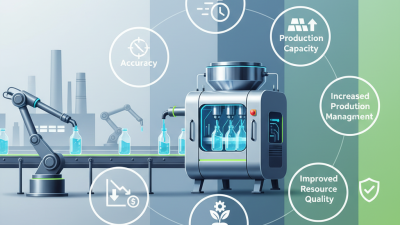
Automatic filling machines measure and dispense liquid, semi-liquid, powder, or granular products into containers with limited operator intervention. The chart compares representative upper throughput levels for widely used filling technologies. Actual performance depends on product viscosity, container size, filling volume, machine configuration, and line automation.

Main Types of Automatic Filling Machines by Filling Principle

Gravity fillers use product height and gravity to fill thin liquids, such as water or light oils. They are simple, stable, and easy to maintain.

Pressure fillers use controlled pressure for faster liquid transfer, especially with carbonated or foaming products.

Vacuum fillers pull liquid into containers and can improve level consistency, but they require careful control of seals and air removal.

Piston fillers measure a fixed volume with a moving piston. They suit sauces, creams, gels, and other thick materials. Pump fillers provide flexible flow control for liquids with changing viscosity. Auger fillers handle powders by measuring product through a rotating screw.

For higher accuracy, net-weight fillers measure each container during filling. This method can reduce variation, although vibration, humidity, and uneven product flow may still affect results.

No principle works perfectly for every material. That point is often underestimated.

Tips: Test the actual product before purchasing. Check viscosity, temperature, foam, particle size, and container shape.

Ask for repeatability data, cleaning procedures, and calibration records. A short factory trial can reveal problems that specifications hide.

Operators should also record fill weights during production, not only during installation. Small errors become expensive at scale.

Recalibration is easy to postpone, but that is a practical weakness worth addressing.

Machine Types for Liquids, Powders, Granules, and Viscous Products

2026 Top Automatic Filling Machine Types for Global Buyers

Choosing the right automatic filling machine starts with product behavior, not production speed. For thin liquids, overflow fillers deliver consistent levels in bottles with slight volume differences. Pump fillers handle oils, sauces, and cleaning liquids with controlled dosing. A piston system suits thicker liquids when accuracy and repeatability matter. Cleanability matters greatly.

Powder filling machines use augers or vacuum systems, depending on flow and dust behavior. Augers work well for flour, protein blends, and powdered drink mixes. Granule fillers measure rice, seeds, tablets, and similar free-flowing products through weighers or volumetric cups. Weighing usually improves accuracy, but it can reduce line speed. Small granules may bridge inside the hopper, causing uneven dosing.

Viscous products need stronger handling. Servo-driven piston fillers can manage honey, creams, gels, and pastes with controlled pressure. Heated hoppers may help products flow, but excessive heat can change texture. Buyers should test the product at its actual temperature and moisture level. Do not trust catalog capacity alone.

A practical evaluation includes container size, target tolerance, cleaning time, and available power. Operators should inspect seals, nozzles, and contact materials during trials. No machine type is perfect. A faster filler may create more waste, while a gentler system may need extra floor space. Product testing often reveals uncomfortable details early.

Key Features, Applications, and Packaging Compatibility

2026 Top Automatic Filling Machine Types for Global Buyers

Key Features, Applications, and Packaging Compatibility

Automatic filling machines differ by product texture, container shape, and required accuracy. Piston fillers suit sauces, creams, and other thick products. They deliver repeatable volumes through controlled piston movement. Pump fillers handle oils, lotions, and liquid foods with flexible flow control. Gravity fillers work well with thin liquids, especially in bottles with stable neck openings. Auger fillers measure powders such as flour, spices, and nutritional ingredients. Their screw design helps reduce uneven dosing, but powder dust can still affect accuracy.

Application conditions matter. A high-speed beverage line may need several filling heads, anti-drip nozzles, and automatic level control. A small cosmetic workshop may value quick changeovers more than maximum output. Servo-driven systems can improve adjustment precision. Sensors can detect missing containers before filling begins. Useful features include tool-free nozzle changes, cleanable contact parts, and recipe storage. Keep it practical.

Packaging compatibility should be checked before purchase. Rigid PET, glass, aluminum, pouches, and small jars each require different handling methods. Narrow-neck bottles may need extended nozzles. Lightweight containers can shift under pressure. Viscous products may require heated hoppers or wider filling paths. Product temperature, foaming behavior, and particle size also influence machine selection. A sample test is essential, although many buyers underestimate its value. Real products often behave differently from laboratory samples. Confirm output accuracy, cleaning access, electrical standards, and available technical support before approving the equipment.

2026 Top Automatic Filling Machine Types for Global Buyers - Key Features, Applications, and Packaging Compatibility
Machine Type Typical Filling Principle Key Features Common Applications Compatible Products Suitable Packaging Formats Typical Production Range Important Buying Considerations
Piston Filler Positive-displacement filling with one or more pistons.
  • Accurate volume control for thick products
  • Adjustable fill volume
  • Suitable for single- or multi-head systems
Sauces, creams, pastes, gels, and semi-solid foods Tomato sauce, mayonnaise, honey, cosmetic cream, toothpaste, grease Bottles, jars, tubs, containers, and pouches with compatible filling nozzles Approximately 10–120 containers per minute, depending on product and number of heads Check product viscosity, particulate size, piston material, and cleanability requirements.
Time-Pressure Filler Compressed air or gas pressure pushes product through filling nozzles for a defined time.
  • Few product-contact moving parts
  • Good for low- to medium-viscosity liquids
  • Can handle some foaming products with suitable controls
Beverages, detergents, liquid cosmetics, and household chemicals Water-like liquids, shampoo, liquid soap, cleaning solutions, and light oils Glass or plastic bottles, cans, jars, and other rigid containers Approximately 20–100 containers per minute A stable air supply and consistent product pressure are essential for repeatable fills.
Gravity Filler Product flows from an elevated tank into containers under gravity.
  • Simple and economical design
  • Easy operation and maintenance
  • Effective for free-flowing, low-viscosity products
Non-carbonated beverages and low-viscosity chemicals Water, thin sauces, liquid cleaners, and some edible oils Rigid plastic, glass, or metal bottles and containers Approximately 20–150 containers per minute Fill consistency depends on product temperature, viscosity, tank level, and container geometry.
Overflow Filler Containers are filled to a consistent visible level while excess product returns to the supply tank.
  • Uniform appearance across containers
  • Useful for transparent packaging
  • Helps manage foaming with suitable nozzle design
Personal care products, beverages, and household liquids Shampoo, shower gel, mouthwash, sauces, and cleaning liquids Transparent or translucent bottles, especially PET and glass containers Approximately 20–120 containers per minute Best results require consistent container height, neck dimensions, and product characteristics.
Flowmeter Filler Electronic or mass flowmeters measure the amount of product entering each container.
  • Accurate electronic measurement
  • Recipe storage and digital adjustment
  • Suitable for automated production-line integration
Liquids requiring precise dosing and flexible format changes Water, juice, edible oil, alcohol-free liquids, chemicals, and personal care liquids Bottles, cans, jars, and other rigid containers Approximately 30–300 containers per minute, depending on flowmeter type and fill volume Select a flowmeter according to conductivity, viscosity, temperature, flow range, and hygiene requirements.
Auger Powder Filler A rotating auger doses dry powder by volume or weight.
  • Controlled powder dosing
  • Suitable for free-flowing and some cohesive powders
  • Can be combined with dust-control systems
Food powders, pharmaceutical powders, and industrial powders Flour, spices, milk powder, protein powder, detergent powder, and fine chemicals Jars, cans, bottles, sachets, pouches, and bags Approximately 15–100 containers per minute Consider powder density, moisture sensitivity, dust generation, auger size, and cleaning procedures.
Net-Weight Filler Load cells weigh a target quantity before or during product discharge.
  • High weight accuracy
  • Suitable for products with variable bulk density
  • Can reduce overfill when correctly calibrated
Granules, powders, dry foods, and products sold by mass Rice, grains, pet food, seeds, pellets, sugar, and granular chemicals Bags, sacks, pouches, jars, tubs, and cartons Approximately 5–60 fills per minute, depending on target weight and product flow Evaluate weighing resolution, vibration control, hopper design, and target-weight range.
Volumetric Cup Filler Adjustable cups measure a set volume of free-flowing solid products.
  • Fast and mechanically straightforward
  • Easy adjustment for different volumes
  • Well suited to consistent-density products
Dry foods and uniform granular products Beans, lentils, rice, pasta, nuts, candy, and snack products Premade pouches, form-fill-seal bags, jars, cans, and cartons Approximately 20–100 fills per minute Weight accuracy can vary when product bulk density, shape, or moisture changes significantly.
Peristaltic Pump Filler Rotating rollers compress flexible tubing to move product without direct pump contact.
  • Product contacts only the tubing
  • Useful for hygienic or sensitive products
  • Fast product changeover and low cross-contamination risk
Pharmaceutical, laboratory, cosmetic, and food products Liquid medicines, serums, sauces, beverages, and biological or shear-sensitive liquids Vials, bottles, jars, ampoules, and small containers Approximately 10–120 containers per minute Tubing compatibility, service life, product shear sensitivity, and required fill volume should be verified.
Aseptic or Ultra-Clean Filler Controlled filling in a hygienic environment after product and packaging sterilization or sanitation.
  • Designed to limit microbial contamination
  • Closed product paths and hygienic construction
  • May include clean-in-place and sterilization systems
Shelf-stable beverages, dairy alternatives, and sensitive liquid foods Milk-based drinks, plant-based beverages, juices, sauces, and liquid nutrition products Cartons, sterile bottles, cups, pouches, and other validated barrier packages Approximately 2,000–30,000 packages per hour, depending on package format and line configuration Validate the complete process, including sterilization method, hygienic zoning, packaging barrier properties, and regulatory requirements.
Monoblock Filling and Capping Machine Filling and cap placement are integrated in one synchronized machine.
  • Compact footprint
  • Reduced container transfer between stations
  • Suitable for small- to medium-scale automated lines
Bottled beverages, cosmetics, pharmaceuticals, and specialty liquids Water, oils, lotions, disinfectants, syrups, and liquid supplements Plastic or glass bottles, vials, and small rigid containers Approximately 20–180 containers per minute Confirm cap type, bottle stability, changeover time, and compatibility with downstream labeling or inspection equipment.
Premade Pouch Filler and Sealer Preformed pouches are opened, filled, and heat-sealed or otherwise closed.
  • Handles stand-up and flat pouches
  • Can integrate liquid, paste, powder, or granule fillers
  • Supports zipper, spout, and multilayer pouch options
Flexible packaging for food, pet care, cosmetics, and chemicals Snacks, sauces, pet food, detergent, coffee, powders, and wet wipes Premade laminated pouches, spouted pouches, zipper bags, and flat sachets Approximately 20–100 pouches per minute Check pouch dimensions, film structure, sealant layer, spout design, zipper position, and seal integrity requirements.
Form-Fill-Seal Machine with Integrated Filler Packaging film is formed into a pouch or bag, filled, and sealed in one continuous process.
  • Efficient use of rollstock film
  • Supports liquid, powder, granule, and paste fillers
  • Suitable for high-volume automated packaging
Single-serve and retail products requiring flexible packaging Snacks, coffee, sauces, detergent, grains, powders, and ready-to-eat foods Stick packs, sachets, pillow bags, three-side-seal pouches, and quad-seal bags Approximately 30–300 packages per minute, depending on format and product Confirm film width, laminate structure, sealing temperature range, product dust or splashing, and print-registration needs.

How Global Buyers Can Select the Right Filling Machine in 2026

Selecting the right filling machine in 2026 starts with the product, not the advertised speed. Check viscosity, temperature, foam level, particle size, and filling accuracy. Thin liquids may suit gravity or overflow systems, while thick creams often need piston or pump fillers. Powders usually require auger systems. It sounds obvious, but many purchasing errors begin with an incomplete product description.

Run trials with the real container and product. A 500 ml bottle may deform under pressure, or its neck may slow the filling cycle. Measure actual output, not the number shown on a specification sheet. Watch for dripping, air bubbles, splashing, and difficult cleaning points. Short tests can hide these problems. Longer tests reveal them.

Consider changeover time, operator training, calibration access, and spare-part availability. Servo controls can improve repeatability, but they may add maintenance skills and costs. Automatic systems suit high-volume lines, while semi-automatic machines can offer better flexibility for changing products. Ask for documented accuracy results and hygienic design details. The machine should support traceable records and safe operation under applicable local requirements. A polished demonstration is useful, but it is not proof of reliable production.

My own selection process would include a failed trial, because discovering weaknesses early is cheaper than finding them after installation.

Shopping cart