2026 Top Rubber Air Hose Features and Buying Guide?
In the ever-evolving world of pneumatic tools, the rubber air hose plays a vital role. As industries grow, the demand for reliable hoses has surged. According to recent market research, the global rubber air hose market is projected to reach $1.2 billion by 2026. This growth reflects the increasing need across sectors such as automotive and construction.
rubber air hoses are favored for their durability and flexibility. However, not all hoses are created equal. Some may wear quickly or kink easily. Choosing the right rubber air hose can be daunting. Industry experts often recommend considering factors like temperature range and pressure ratings.
Many overlook these details, leading to inefficiencies. Understanding the features of rubber air hoses can prevent costly mistakes. A well-informed selection process can significantly enhance productivity and safety in various applications. This guide aims to shed light on essential features and provide practical buying tips for optimal choices.
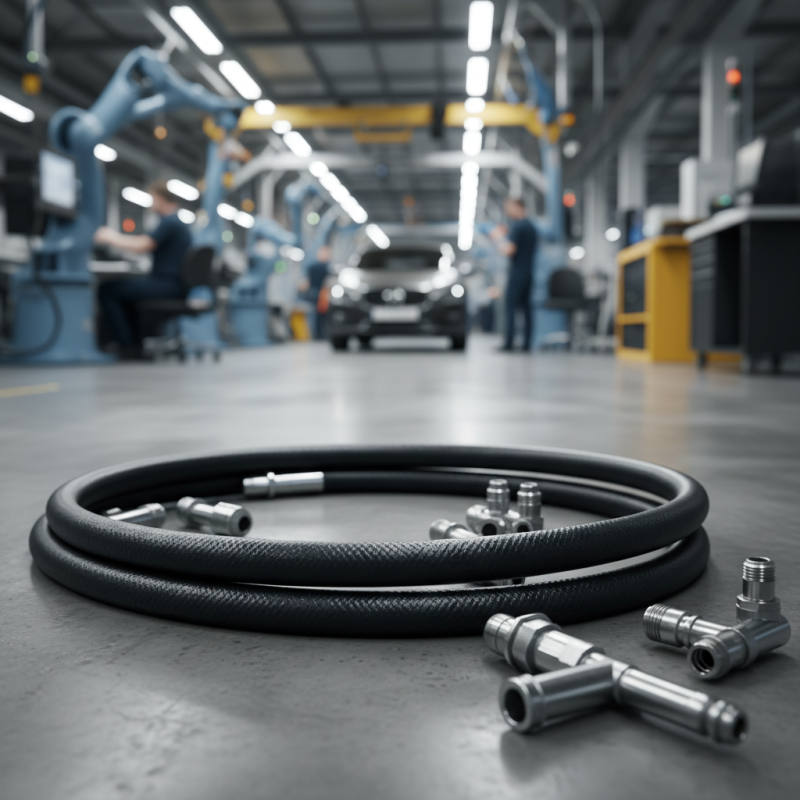
Key Features of Rubber Air Hoses in 2026
When considering rubber air hoses in 2026, users should focus on several key features. Durability is paramount. A robust hose withstands heavy use and harsh conditions. Look for hoses crafted from high-quality materials. They resist wear and tear effectively. Flexibility also matters. A good hose remains pliable in various temperatures. It should not crack or become stiff when exposed to cold.
Tip: Always check the hose's temperature tolerance. It can affect performance in extreme conditions.
Another important aspect is the hose's pressure rating. Ensure it fits your specific needs. A hose with a lower rating may burst under pressure. Meanwhile, lightweight hoses are easy to maneuver. However, they must also offer strength. Some users may prioritize weight over durability, leading to poor choices.
Tip: Test the hose under realistic conditions. This helps identify any weaknesses early.
Lastly, a good connection is essential. The fittings should be secure to prevent leaks. Poor connections may lead to inefficiency and wasted resources. Careful consideration of these features will lead to smarter purchasing decisions.
Material Composition and Durability Considerations
When choosing a rubber air hose, material composition is crucial. High-quality rubber provides durability and flexibility. Look for hoses made from synthetic or natural rubber. These materials resist wear and tear better than others. Consider the temperature range they can handle. Extreme conditions can affect performance and longevity.
Durability is not just about the material. The thickness of the rubber is also key. A thicker hose can withstand high pressures and rough handling. However, thicker hoses may be heavier and less flexible. Balancing these aspects is essential for optimal use. It’s common for users to overlook this detail, leading to issues in performance.
Remember to factor in the type of reinforcement used. Some hoses have polyester or nylon braiding. This increases strength but can add weight. Evaluate your needs. A lightweight option may be better for portability. Don’t ignore the possibility of imperfections in products. Often, minor flaws can impact your choice significantly. Assessing durability and material carefully will lead to better decisions when purchasing a rubber air hose.
2026 Top Rubber Air Hose Features and Buying Guide
| Feature | Description | Material Composition | Durability Rating |
| Weather Resistance | Designed to withstand extreme weather conditions. | Synthetic rubber with additives | Excellent |
| Flexibility | Remains flexible in cold temperatures and during heavy use. | Natural rubber blend | High |
| Kink Resistance | Prevents kinking and tangling during use. | Reinforced synthetic rubber | Very Good |
| Pressure Rating | High burst and working pressure capabilities. | High-tensile synthetic fiber | Excellent |
| Temperature Range | Operates effectively in a wide range of temperatures. | EPDM rubber | Good |
Benefits of Using Rubber Air Hoses Over Other Types
Rubber air hoses are becoming the preferred choice for many users in industrial and home settings. A study from the Air Hose Association shows rubber hoses can last up to three times longer than PVC hoses under normal conditions. This durability translates to fewer replacements, reducing long-term costs for businesses and DIY enthusiasts alike.
One of the standout benefits of rubber air hoses is their flexibility. They can handle extreme temperatures, thriving in both hot and cold environments. They resist cracking, even in harsh conditions. A recent report indicated that rubber hoses maintain optimal air flow rates, which leads to improved efficiency in pneumatic tools. Users experience a marked reduction in air pressure loss, which can ultimately increase productivity.
However, not everything is perfect with rubber hoses. They can be heavier than their PVC counterparts, making transport challenging for some users. Also, rubber air hoses may have a higher upfront cost. It’s important to weigh these factors against the hose's long-term benefits. Understanding your specific needs is crucial before making a decision.
Important Specifications to Look for When Buying
When selecting a rubber air hose, certain specifications are critical for performance. Look for hoses that meet industry standards, such as the SAE J1402, which ensures compatibility with a wide range of pneumatic systems. Additionally, consider the working pressure rating, typically ranging from 120 to 300 PSI. This directly affects the hose’s durability and your project’s safety.
Another key specification is hose diameter. Common sizes are 1/4 inch, 3/8 inch, and 1/2 inch. Larger diameters allow for higher airflow, impacting efficiency. Performance data indicates that a 1/2 inch hose can deliver 30% more airflow than a 1/4 inch hose at the same pressure. However, using unnecessarily large hoses may lead to reduced control and increased costs.
Flexibility is also vital; a rubber air hose must withstand various environmental conditions. Temperature range is essential; many hoses can operate between -40°F to 190°F. Always review material quality, as cheaper options may lead to premature wear or even failures. Experts recommend avoiding hoses with stiff materials, as they can kink easily, impacting airflow.
Maintenance Tips for Prolonging the Life of Air Hoses
Maintaining rubber air hoses is crucial for longevity. Regular inspection prevents small issues from becoming big problems. Look for cracks, abrasions, or any signs of wear. These imperfections can lead to leaks, reducing performance. A simple visual check can save time and money.
Cleaning air hoses is often overlooked. Dust and debris can cause blockages. Gently wipe the exterior with a damp cloth. Avoid harsh chemicals, as they may degrade the rubber. Use mild soap if necessary. Store hoses properly, avoiding tight coils that can create kinks. Lay them flat or hang them up.
Temperature changes can affect hose performance. Extreme heat or cold may cause materials to stiffen or crack. Be mindful of where you store your hoses. Protect them from direct sunlight. And remember, don’t force hoses into tasks they're not suited for. It's tempting, but can lead to early failure. Regular care ensures your air hoses work effectively when you need them most.