Small producers are under pressure to fill faster without sacrificing product quality, hygiene, or cash flow. A reliable small scale bottle filling machine can turn a crowded worktable into a controlled production line. It supports water, sauces, cosmetics, household liquids, and other permitted products in manageable batches.
Industry data shows why this equipment deserves careful attention. PMMI’s 2024 Packaging Machinery Shipments Report identifies continued investment in automation, flexibility, and equipment efficiency across packaging operations. Grand View Research also reports steady growth in the global packaging machinery market, driven by packaged food, beverages, pharmaceuticals, and personal care products. These sectors demand accurate dosing, cleaner changeovers, and less product waste. The numbers are encouraging, but they do not tell the whole story.
A machine rated for 30 bottles per minute may perform differently with thick shampoo than with thin water. Bottle neck size, filling accuracy, nozzle design, cleaning access, and operator skill all matter. Quite a lot.
This guide reviews seven practical machines for small-scale production in 2026. The selection considers filling speed, container compatibility, control systems, maintenance demands, construction materials, and total ownership cost. It also draws on manufacturer specifications, user experience, and food-processing equipment guidance, including principles reflected in 3-A Sanitary Standards and EHEDG recommendations. No ranking is universally correct. A compact pneumatic filler may suit a growing workshop, while a servo-controlled model may justify its cost in a busy facility. Some advertised capacities may be optimistic. That deserves reflection. The best small scale bottle filling machine is not always the fastest option; it is the one that delivers repeatable results, safe operation, and room for realistic growth.
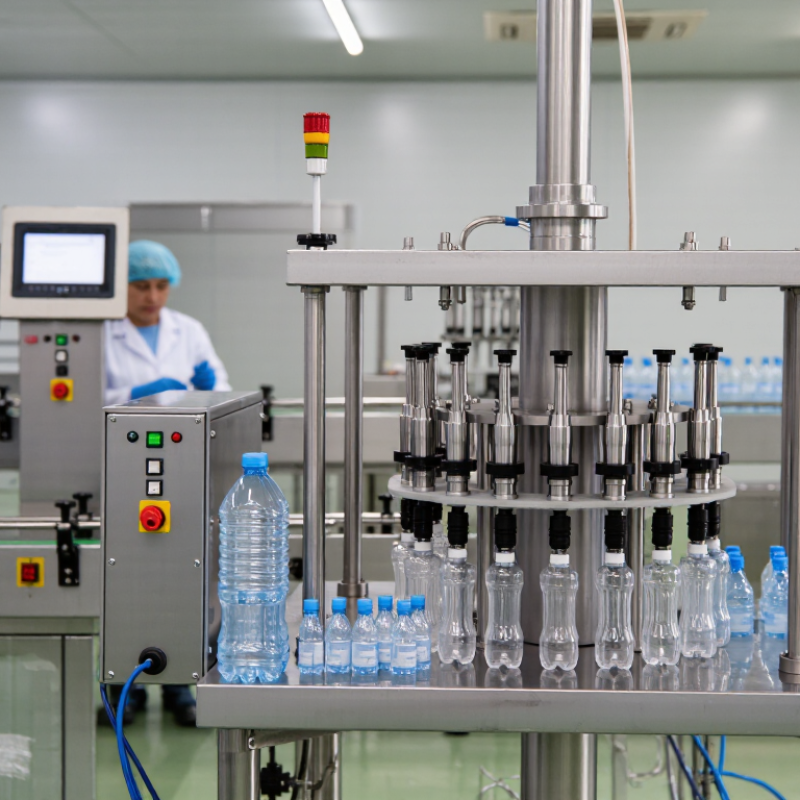
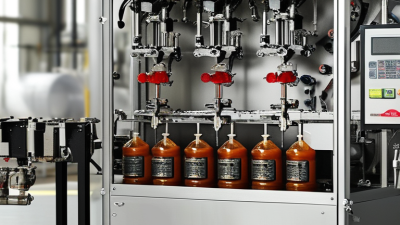
Small scale bottle filling machines are compact systems designed to dispense consistent liquid volumes into containers. They may use piston, peristaltic, gravity, or overflow filling methods. A foot pedal, hand switch, or sensor starts each cycle. The operator places a bottle beneath the nozzle, activates the filler, and repeats the process. This reduces spills and improves volume control compared with using a measuring cup.
Who needs one? Small beverage producers, sauce makers, cosmetic workshops, and household-product businesses often benefit from this equipment. It suits teams filling a few hundred bottles daily, especially when manual pouring becomes slow or tiring. Small laboratories and contract packers may also use tabletop models for controlled trial batches. A narrow nozzle can handle small containers, while a wider nozzle works better with thicker liquids.
The liquid’s texture matters. Thin liquids may fill smoothly, but foamy drinks need slower flow and extra settling time. Thick creams often require a stronger piston system. Before purchase, check bottle height, neck size, fill range, cleaning access, and changeover time. Weighing random bottles during production can reveal inaccurate dosing early. However, no small filler solves every workflow problem. Operators still need training, careful sanitation, and regular calibration. I would also test several container shapes before committing; an attractive machine can perform poorly with unstable bottles.
| Rank | Machine Type | Typical Filling Method | Bottle Volume Range | Typical Output | Typical Accuracy | Suitable Products | Best For | Key Limitation |
|---|---|---|---|---|---|---|---|---|
| 1 | Single-Head Gravity Filler | Timed gravity flow from an elevated product tank | 50–5,000 mL | Approximately 4–12 bottles/minute | About ±1–3% | Thin, free-flowing liquids such as water, juice, and mild cleaners | Start-ups, laboratories, and very small production runs | Not suitable for thick or highly foaming liquids |
| 2 | Piston Filler | A piston draws and dispenses a measured volume | 10–5,000 mL | Approximately 5–20 bottles/minute | About ±0.5–1% | Creams, sauces, pastes, gels, oils, and other viscous products | Food, cosmetics, personal care, and chemical workshops | Product-contact parts require careful cleaning and changeover |
| 3 | Peristaltic Pump Filler | Rotating rollers move liquid through flexible tubing | 1–1,000 mL | Approximately 2–15 bottles/minute | About ±1–2% | Liquids that need low contamination risk, including laboratory and cosmetic products | Small-batch, sterile, sensitive, or high-value products | Tubing wears over time and output is relatively low |
| 4 | Digital Volumetric Filler | Electronic control measures a programmed fill volume | 20–2,000 mL | Approximately 6–25 bottles/minute | About ±0.5–1% | Low- to medium-viscosity liquids and repeatable product batches | Businesses needing repeatable settings and quick volume changes | Usually costs more than basic gravity equipment |
| 5 | Two-Head Overflow Filler | Fills to a consistent visible level using recirculation | 100–2,000 mL | Approximately 8–30 bottles/minute | About ±1–2% by volume, depending on product | Thin liquids, shampoos, detergents, and products sold by fill appearance | Bottles that require a uniform liquid level | Less effective with thick, particulate, or highly foaming products |
| 6 | Bench-Top Servo Pump Filler | Servo-driven pump controls speed, volume, and filling profile | 50–5,000 mL | Approximately 6–24 bottles/minute | About ±0.5–1% | Thin to moderately viscous liquids, including oils, lotions, and sauces | Growing producers requiring precise control without a full production line | Needs electrical power and more operator training |
| 7 | Manual or Semi-Automatic Pneumatic Filler | Compressed-air piston operation with foot or hand control | 50–1,000 mL | Approximately 4–18 bottles/minute | About ±1–2% | Viscous liquids, creams, gels, sauces, and pastes | Workshops seeking a simple, economical upgrade from hand filling | Requires a clean and stable compressed-air supply |
Note: Output and accuracy figures are typical small-scale operating ranges. Actual performance depends on product viscosity, temperature, foaming behavior, bottle shape, nozzle configuration, operator speed, and equipment setup.
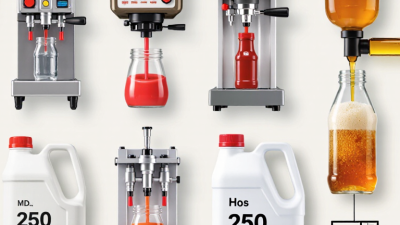
Small scale bottle filling machines should be compared by working performance, not advertised speed. In practical evaluations, fill accuracy matters most when bottles are checked on a weighing scale. Test several volumes, such as 50, 100, and 250 milliliters. A suitable machine should handle these changes without lengthy adjustments. Product viscosity also matters. Thin liquids may need fast dosing, while thicker liquids require stronger pumps and slower movement. That difference is easy to miss.
Examine the filling nozzles closely. Anti-drip design reduces mess around the bottle neck and limits product waste. Adjustable nozzles should fit different bottle heights without complicated tools. Product-contact parts should use corrosion-resistant, easy-to-clean materials. Quick-release components save time during daily sanitation. They also reduce hidden residue. Control systems should offer simple volume settings, repeatable recipes, and clear fault messages. Fancy screens are less useful when operators cannot understand them.
Changeover time deserves a real test. Ask an operator to switch bottle sizes, clean the nozzle area, and restart production. Watch the clock. Compressed-air requirements, electrical load, footprint, and guarding affect installation costs. Service access is equally important, especially for small teams with limited technical support. I would not trust a brochure alone. Request sample runs with your actual bottles and liquid. No machine is perfect. A slight adjustment may still be needed after installation, and that should be expected rather than hidden.
The 7 Best Small Scale Bottle Filling Machines in 2026 serve different production needs. Peristaltic fillers suit liquids needing clean, measured dosing. Piston fillers handle thicker products, including creams and sauces. Overflow fillers create consistent liquid levels in clear containers. Gravity fillers remain simple for low-viscosity liquids. Pump fillers offer flexible flow control. Vacuum fillers reduce spillage around narrow bottle openings. Tabletop monoblock systems combine filling and capping in limited spaces.
PMMI’s 2024 State of the Industry report identifies labor shortages, automation, and flexible equipment as major packaging concerns. That finding matters for small producers. A compact machine should reduce repetitive work without creating difficult maintenance. Check filling accuracy, output per minute, nozzle adjustment, and changeover time. A machine rated at 20 bottles per minute may perform slower with foamy liquids or unusual containers. Real production is rarely perfect.
Tips: Request a test using your actual liquid and bottle. Measure ten consecutive fills. Compare the average weight and the widest variation. Also inspect seals, tubing, and contact surfaces after cleaning. The United States Pharmacopeia and common hygienic design guidance emphasize cleanable product-contact areas, but operators still need documented procedures. I would not choose the fastest machine automatically. A slower unit with steadier dosing may produce less waste, although that assumption should be verified during a trial. Record setup time, operator effort, and rejected bottles before making the final decision.
7 Best Small Scale Bottle Filling Machines in 2026
Choosing a small scale bottle filling machine starts with your product, not its advertised speed. Water-like liquids often suit gravity or overflow fillers. Thick creams may need piston or servo-driven pumps. Products with visible particles require wider passages and gentler handling. Test your actual formula at working temperature. A liquid that pours easily at 25°C may move slowly in a cool workshop.
Match the machine to your real production volume. If you fill 300 bottles daily, a compact tabletop unit may be more practical than a high-output system. Check the filling range, nozzle count, changeover time, and container neck size. Measure your bottles carefully. A few millimeters can cause splashing, foam, or uneven levels. I once trusted a supplier’s capacity estimate and ignored cleaning time. The hourly figure looked impressive, but the daily output was disappointing.
Hygiene and maintenance deserve equal attention. Choose product-contact parts that are easy to remove, inspect, and sanitize. Confirm whether seals resist your formula and whether replacement parts are available. Ask for a sample test using your bottles and liquid. Watch the first ten fills, then inspect another fifty. Small errors often appear after the pump warms up. Leave room for future growth, but do not pay for features your team cannot operate safely. A simple machine with clear controls can outperform a complicated one in a busy small workshop.
7 Best Small Scale Bottle Filling Machines in 2026
Installation and daily operation determine whether a small scale bottle filler performs reliably. Place the machine on a level, stable surface with enough space for operators and cleaning access. Check electrical grounding, compressed air pressure, and product-contact materials before connecting utilities. Follow the equipment manual and applicable workplace requirements. Run clean water through the system before introducing product. Adjust the filling volume, nozzle height, and speed gradually. Watch for splashing, foam, dripping, or uneven levels. These signs often indicate poor alignment or excessive speed.
Cleaning should begin with power isolation and complete product drainage. Rinse the hopper, hoses, valves, and nozzles with suitable water. Use an approved detergent at the stated concentration, then rinse until no residue remains. Sanitize according to your documented procedure. Remove seals and small fittings carefully; hidden residue often collects beneath them. Allow parts to dry fully before reassembly. Maintenance needs a simple log. Record gasket wear, loose connections, unusual noise, and fill-volume checks. A rushed inspection can miss small leaks. That mistake becomes expensive later.
Tips: Keep spare seals in a clean, labeled container. Calibrate with a measured bottle, not appearance alone. Never force a stuck fitting. If product thickness changes, review speed and pressure settings again. Operators should receive practical training and document every cleaning cycle. Even experienced staff miss details sometimes. A second check helps.
Typical throughput ranges for small-scale liquid filling equipment. Actual output depends on liquid viscosity, bottle size, filling volume, operator speed, and machine configuration.
The figures represent practical industry ranges for common small-scale filling configurations and are shown for comparison rather than as guaranteed production capacities.
Accutek Packaging Equipment Companies, Inc. stands as one of the premier privately owned packaging machinery manufacturers in the United States.

Sign up for all the news about our latest arrivals