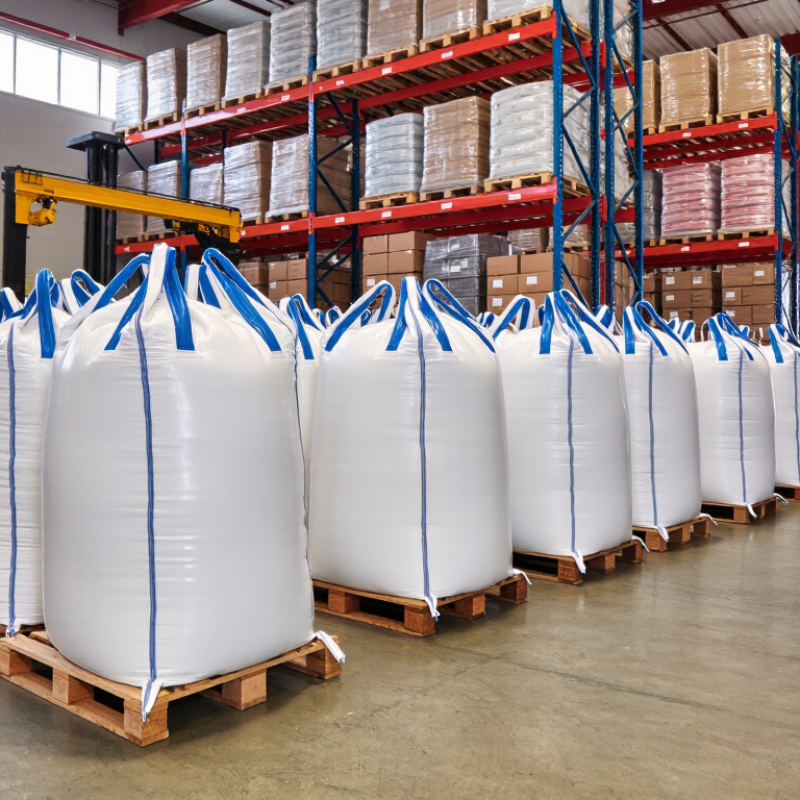
How to Choose 2 Ton FIBC Bags for Global Shipping?

Choosing 2 Ton Fibc Bags for global shipping requires more than checking a maximum load figure. These containers must protect products through filling, lifting, port handling, ocean transit, and warehouse storage. A bag that looks strong in a supplier photograph may perform poorly when exposed to moisture, sharp product edges, or repeated movement. Experienced buyers examine fabric weight, safe working load, safety factor, lifting loops, discharge design, and liner compatibility. They also confirm whether the bag suits powders, granules, minerals, agricultural goods, or other approved cargo. Every product behaves differently. That detail is easy to overlook.

This guide explains how to compare 2 Ton Fibc Bags with practical shipping conditions in mind. It considers pallet dimensions, container utilization, stacking limits, labeling, traceability, and inspection records. Reliable manufacturers should provide consistent specifications, production samples, test documentation, and clear quality controls. Buyers should request evidence rather than rely on broad claims. A small trial shipment can reveal problems with dust leakage, seam stress, moisture protection, or unloading speed before a larger order moves overseas. However, no single design fits every route. Humidity, handling equipment, cargo density, and destination storage can change the decision. Confirm current carrier, packaging, and destination requirements with qualified logistics or compliance professionals. This is not glamorous work. It prevents expensive surprises. The right choice balances protection, efficiency, verified performance, and responsible communication across the supply chain.

How to Choose 2 Ton FIBC Bags for Global Shipping?

Define the Requirements for 2 Ton FIBC Bags

Before choosing 2 Ton FIBC bags for global shipping, define the load clearly. Confirm the product’s bulk density, particle size, moisture level, and filling temperature. These details affect fabric strength, coating, liner selection, and discharge design. A bag rated for 2,000 kilograms must include an appropriate safety factor, not merely match the cargo weight.

Measure the available storage and transport space. Record the required bag height, width, lifting-loop style, and pallet footprint. Check whether forklifts, cranes, or automated equipment will handle the bags. Filling and discharge ports also need practical dimensions. Small openings may reduce dust, but they can slow operations. It happens.

Moisture protection deserves careful attention during ocean transport. Select coated fabric or an inner liner when humidity may damage the contents. Ask for production records, load testing, seam inspections, and material specifications. The documentation should identify the safe working load and handling conditions. A trial shipment is useful because warehouse behavior can differ from laboratory results. Do not assume one design fits every cargo. Even a strong bag can become unstable if filled unevenly or stacked on a weak pallet. Leave space for handling access, inspection, and unexpected movement inside the container.

Select the Appropriate Bag Design and Construction

For a 2-ton FIBC, design starts with the real working load, not the printed capacity. Confirm the required safe working load and safety factor with the supplier. A bag rated for 2,000 kilograms needs disciplined handling at every stage. I have found that box-shaped construction improves stacking, while circular designs may suit filling and discharge better. Measure the cargo carefully. An oversized body can shift inside a container and press against neighboring bags.

Choose lifting loops that match forklifts, cranes, and loading routines. Four corner loops are common, but cross-corner loops may offer better control during lifting. Reinforced seams matter most around the handles and bottom outlet. Ask for strong stitching, even seam lines, and tested tensile performance. A laminated woven body can resist moisture, while an inner liner may protect powders from humidity and contamination. Keep the liner compatible with the product and filling temperature.

Check the bag’s dimensions against pallets, container doors, and stacking height. Request inspection records for fabric strength, seam integrity, load testing, and UV exposure when outdoor handling is possible. Use a secure discharge closure. Dust control still needs attention. A design can look excellent but fail when the outlet is awkward or the loops twist under load. This is where practical trials help. Test one filled bag before approving a large shipment. Small details deserve another look.

Verify Safety, Load Capacity, and Material Quality

How to Choose 2 Ton FIBC Bags for Global Shipping?

A 2-ton FIBC bag must match its safe working load, not just its printed capacity. Check the SWL rating on the specification sheet and bag label. Confirm the required safety factor for lifting, storage, and transport. A bag rated for 2,000 kilograms may not suit repeated use or uneven loading. Do not guess.

Inspect the construction closely. Woven polypropylene fabric should feel dense, even, and free from thin patches. Examine the seams, lifting loops, discharge spout, and base for loose threads or weak stitching. The lifting loops must align with the handling equipment used at your facility. A small mismatch can create serious strain. Ask for test reports, material details, and batch traceability. Paperwork matters, but physical inspection matters more.

Material quality also affects international shipping. Confirm resistance to moisture, ultraviolet exposure, and abrasion during container handling. For powdery or sensitive goods, select an appropriate liner and closure system. Check the bag’s dimensions against pallet space and container height. Overfilled bags may bulge against neighboring cargo, while underfilled bags can shift during transit. That problem is easy to underestimate. Packaging teams should perform a trial lift with the intended equipment before shipment. Even careful specifications can miss real warehouse conditions, especially when floors, forks, or loading habits differ. Choose documented performance over attractive pricing.

How to Choose 2 Ton FIBC Bags for Global Shipping? — Verify Safety, Load Capacity, and Material Quality
Verification Dimension Recommended Specification or Benchmark What to Check in the Technical Documents Why It Matters for Global Shipping
Safe Working Load (SWL) Rated SWL: 2,000 kg or higher Confirm that the 2,000 kg rating applies to the complete bag assembly, including the body, lifting loops, seams, discharge spout, and top construction. Prevents overloading during filling, lifting, storage, container loading, and port handling.
Safety Factor Common one-trip benchmark: 5:1; reusable designs may require a different rating based on the intended number of cycles Request the stated safety factor, test method, and certificate or test report. Do not assume a 5:1 rating means the bag can safely carry 10,000 kg in normal operation. Shows the relationship between minimum breaking strength and the permitted working load under specified conditions.
Bag Dimensions Typical 2-ton design range: approximately 90–100 cm wide × 90–100 cm long × 120–180 cm high Verify filled dimensions, empty dimensions, tolerances, and whether the stated size is based on a square, circular, or baffle construction. Ensures compatibility with pallets, warehouse racking, truck bodies, and standard shipping containers.
Approximate Volume Often about 1.0–1.8 m³, depending on dimensions, product density, and filling height Calculate volume from the actual bag dimensions and compare it with the bulk density of the cargo. Confirm the maximum fill level. A 2-ton weight rating does not guarantee that the bag has enough volume for every low-density product.
Fabric Material Woven polypropylene, normally uncoated or coated according to moisture and dust-control needs Check polymer type, fabric construction, coating type, fabric weight, tensile strength, and lot traceability. Recycled content should be declared where applicable. Polypropylene provides high strength-to-weight performance and is widely used for industrial bulk packaging.
Fabric Weight Typical heavy-duty range: approximately 160–220 g/m², subject to design and safety testing Verify the actual fabric weight and the test results for tensile strength, tear resistance, and seam performance. Fabric weight alone does not determine safety, but unusually light fabric may require closer scrutiny for a 2-ton application.
Lifting Loops Four-loop construction is common; loop SWL must support the complete 2,000 kg load with the specified lifting method Check loop material, loop width, stitching pattern, lifting angle restrictions, and whether all loops must be used simultaneously. Uneven lifting, forklift contact, or using fewer loops than specified can significantly increase stress on the bag.
Seam Strength Seams should be tested as part of the complete bag assembly, not only as loose fabric samples Request seam-strength results, sewing thread specifications, reinforcement details, and inspection records for critical load-bearing seams. Seam failure is a common cause of loss of containment even when the fabric itself has adequate tensile strength.
Top Construction Choose open top, duffle top, or filling spout according to the loading equipment and product requirements Confirm inlet diameter, closure method, dust-tightness, dimensions, and compatibility with automated filling systems. Correct top design reduces filling time, product leakage, dust release, and contamination risk.
Bottom Construction Flat bottom for simple discharge; discharge spout for controlled emptying Verify spout dimensions, closure type, discharge rate, residual-product control, and whether a safety flap is included. Controlled discharge improves worker safety and helps prevent sudden movement or uncontrolled product release.
Liner Requirement Use an inner liner when moisture protection, fine-powder retention, or higher product cleanliness is required Check liner material, thickness, attachment method, heat-seal quality, and compatibility with the cargo. A liner can reduce moisture ingress and leakage, but it does not replace the structural rating of the outer FIBC.
Moisture Protection Coated fabric, liner, or both may be needed for moisture-sensitive cargo Review coating coverage, water-resistance test results, liner closure, and storage instructions. Confirm whether the bag is only water-resistant or genuinely weatherproof. Sea freight and port storage may expose packaging to condensation, rain, and changing humidity.
Antistatic Performance For flammable powders, vapors, or hazardous-area filling, select the correct FIBC type and use qualified grounding procedures Confirm the FIBC type, surface or volume resistivity data, grounding-point design, and applicable handling instructions. Obtain specialist approval for hazardous materials. Static discharge can create an ignition hazard in certain atmospheres. Ordinary polypropylene bags are not automatically antistatic.
UV Resistance UV-stabilized material is advisable when bags may be stored outdoors or exposed to sunlight Check the stated outdoor exposure limit and UV-stabilizer information. Protect filled bags from prolonged direct sunlight whenever possible. Ultraviolet exposure can reduce polypropylene strength over time, even when the bag initially meets its rated SWL.
Hazardous-Goods Compatibility For regulated dangerous goods, use packaging tested and approved for the applicable substance and transport mode Verify the UN packaging approval, performance level, filling instructions, labeling requirements, and current transport regulations for the cargo. General-purpose FIBCs must not be treated as automatically approved for dangerous goods.
Standard Reference ISO 21898 is a key reference for flexible intermediate bulk containers Check the edition referenced by the supplier and whether the test scope covers the complete bag design and intended use. A recognized standard provides a consistent framework for design, performance, testing, and marking.
Marking and Traceability Each bag or production lot should be identifiable and clearly marked with handling information Look for SWL, safety factor, bag type, tare or identification information, production lot, lifting instructions, and applicable warnings. Traceability supports inspection, recall control, incident investigation, and correct handling across multiple countries.
Pre-Shipment Inspection Inspect fabric, seams, loops, spouts, liners, dimensions, cleanliness, and markings before dispatch Use a documented inspection checklist and retain photographs, sampling records, test reports, and packing-list details. Early inspection reduces the risk of rejected cargo, contamination, rework, or unsafe handling at the destination.
Container Loading Keep bags stable, evenly distributed, dry, and protected from sharp edges Confirm stacking limits, pallet requirements, load-securing method, container cleanliness, and whether the filled bags may be stacked. Transport vibration, sudden braking, and uneven stacking can damage otherwise compliant FIBCs.
Storage Conditions Store in a clean, dry, ventilated area away from direct sunlight, moisture, chemicals, and heat sources Review the supplier’s maximum storage period, temperature limits, packaging protection, and first-in-first-out procedure. Storage conditions can affect fabric strength, cleanliness, moisture protection, and final lifting performance.
Important: The stated dimensions and material ranges are typical planning benchmarks, not universal requirements. The final selection must be based on the cargo’s bulk density, flow behavior, moisture sensitivity, hazard classification, filling and discharge equipment, lifting method, transport regulations, and the bag’s tested SWL.

Prepare 2 Ton FIBC Bags for Global Shipping Regulations

How to Choose 2 Ton FIBC Bags for Global Shipping

Prepare 2 Ton FIBC Bags for Global Shipping Regulations

A 2 ton FIBC bag should carry its rated safe working load, not an estimated weight. Check the bag’s safe working load, safety factor, fabric strength, and lifting-loop design. Many buyers select a 2,000-kilogram rating, then overlook repeated handling during loading and unloading. That can create avoidable damage. Ask for test reports, production-batch traceability, and a clear inspection record. The documents should match the actual bag specification.

Global shipping requires more than strong fabric. Confirm the destination’s packaging rules, container requirements, labeling language, and customs documents before production. For lawful, non-hazardous cargo, the packing list should state quantity, net weight, gross weight, dimensions, and cargo description. Some cargoes may require special packaging certification. Do not assume one document works for every country. Requirements can change by cargo type, transport mode, and destination.

Moisture protection also matters. A laminated outer fabric or fitted liner may help protect powder or granular cargo during sea transport. However, liners can affect filling speed and discharge performance. Test the complete bag with the actual material. Check seams, loops, discharge spouts, and closure systems under realistic handling conditions. Secure each bag inside the container, maintain balanced weight distribution, and keep sharp edges away from the fabric. I have seen careful specifications fail because loading crews received unclear instructions. A useful checklist is never enough without trained handling and final pre-shipment inspection.

Compare Suppliers, Costs, and Delivery Conditions

How to Choose 2 Ton FIBC Bags for Global Shipping?

Choosing a 2 ton FIBC bag begins with supplier verification, not the lowest quotation. Request test reports, material specifications, stitching details, and recent export references. An experienced supplier should explain safe working load, safety factor, liner options, lifting loops, and moisture protection clearly. Ask for production samples before placing a large order. A sample can reveal weak seams or awkward discharge openings.

Compare the full landed cost, including bag price, printing, inspection, inland transport, freight, insurance, and destination charges. A low quote may hide expensive handling fees. I once focused too heavily on unit price and underestimated port storage costs. That mistake changed my purchasing checklist.

Delivery terms also need careful review. Confirm the manufacturing lead time, loading date, port, shipping documents, and responsibility for delays. Weather and congestion can disrupt schedules. Build a realistic buffer.

Tips: Use a comparison sheet with identical specifications. Check whether the quoted price includes liners, pallets, testing, and export packaging. Ask for carton dimensions and container loading quantities. Confirm whether bags arrive folded, compressed, or bundled. Small details matter. Keep written approval for every specification. A verbal promise is easy to misunderstand. For sensitive cargo, verify cleanliness controls and warehouse conditions. Do not assume every supplier follows the same inspection routine. Conduct a pre-shipment check when the order is important. It costs more, but replacement delays cost more.

Shopping cart