How to Choose the Best Home Textile Fabric for Your Needs?
Choosing the right home textile fabric can be overwhelming. There are many options available, from soft cotton to luxurious silk. Each type has its own unique characteristics. Understanding your needs is essential in making the best choice.
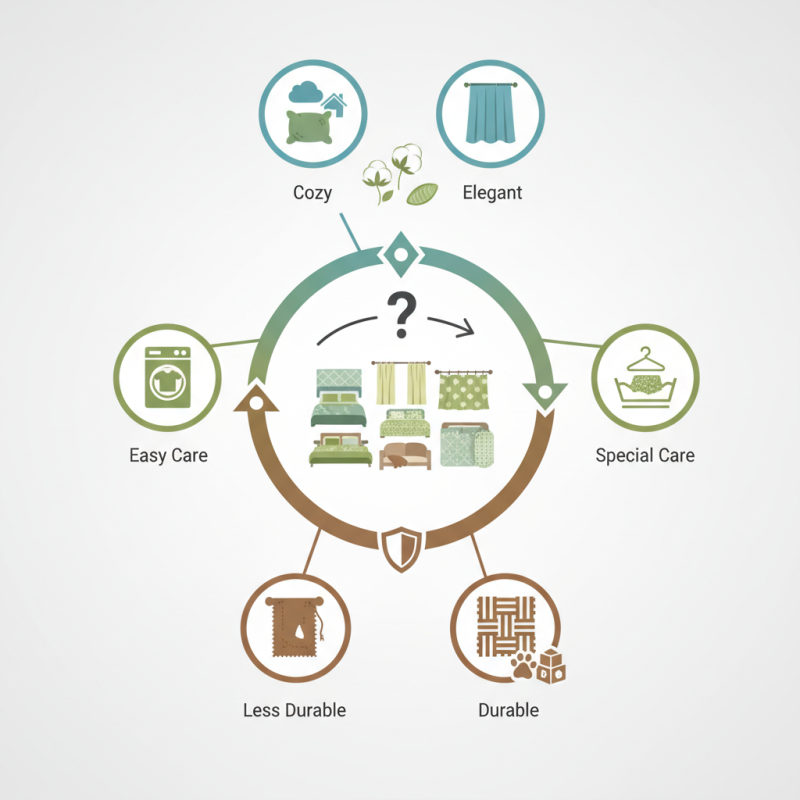
Consider the atmosphere of your home. Do you prefer cozy or elegant? If comfort is your goal, cotton or linen might be ideal. On the other hand, silk adds a touch of sophistication. Think about maintenance too. Some fabrics require special care, while others are machine washable.
It's also important to consider durability. Not all home textile fabrics are created equal. Some may wear out quickly, while others stand the test of time. Reflect on your lifestyle. Do you have pets or kids? This might affect your fabric choices. The right home textile fabric can enhance your space and meet practical needs.
Understanding Different Types of Home Textile Fabrics
When choosing the right home textile fabric, understanding the options is crucial. Cotton is a popular choice. It offers breathability and softness, making it ideal for curtains and upholstery. According to industry reports, around 50% of home textiles are made from cotton. However, it can fade in sunlight. So, consider where your fabric will be placed.
Linen is another appealing option. It boasts a natural, crisp feel and is resistant to fading. About 25% of consumers prefer linen for tablecloths and drapes. Yet, linen wrinkles easily, which might not be suitable for every household. Microfiber, on the other hand, is a versatile fabric. It repels water and is easy to clean. Studies show that microfiber use has increased by 30% in recent years.
Choosing the right fabric is not just about appearance. Durability matters, too. Performance fabrics can handle spills and stains, but they may lack the warmth found in natural textiles. Be mindful of your lifestyle and the fabric's maintenance needs. This balance between aesthetics and practicality can lead to dissatisfaction later.
Evaluating Fabric Durability and Maintenance Requirements
When choosing home textiles, fabric durability is a key consideration. Look for materials that can withstand daily wear and tear. Natural fibers like cotton and linen are breathable but may wrinkle easily. Synthetic fabrics, such as polyester, offer more resilience. They resist fading and are often more stain-resistant.
Tips: Always read fabric care labels. This will give you insight into maintenance. Some fabrics need special washing methods, while others can endure machine washing. Consider how often the items will be used. High-traffic areas require tougher fabrics.
Maintenance also plays a significant role in your choice. Remember that darker colors may hide stains but can fade over time. Lighter colors show dirt more readily, needing frequent washing. Think about your lifestyle. Do you have pets? Children? These elements will influence your fabric choices.
Tips: Try a fabric swatch before buying. This will help you see how it holds up under light and regular use. Don’t forget to test for pilling and snagging. Small imperfections in fabric can lead to bigger issues later.
Durability and Maintenance Requirements of Common Home Textile Fabrics
Assessing Comfort and Aesthetic Appeal of Fabrics
When choosing home textile fabrics, comfort and aesthetics are key factors. Fabrics should feel good against the skin. Soft, breathable materials enhance relaxation in any space. For example, cotton offers a cozy feel. Linen, on the other hand, gives a more textured touch. Both can create different moods in your home.
**Tip:** Consider your lifestyle. If you have pets or kids, look for durable fabrics. Velvet may seem luxurious, but it can be difficult to clean. Think about practicality before making a decision.
Aesthetically, colors and patterns matter. Neutral shades create a calming atmosphere. Bold prints can add vibrancy to a room. Decide what vibe you want to achieve. Sometimes, it's tricky to balance comfort with style.
**Tip:** Sample fabrics before committing. A swatch can reveal how a fabric feels and looks in different lights. It’s important to visualize how it will fit in your space. Don't rush this process; reflection leads to better choices.
Considering Color, Texture, and Pattern Choices
When selecting home textile fabric, color, texture, and pattern play a crucial role. A survey by the Home Textiles Association reveals that 75% of consumers prefer fabrics that feel comfortable and inviting. This suggests that texture matters deeply in making a home welcoming. Fabrics with softer textures, like cotton or linen, create a sense of relaxation. In contrast, polyester blends may be more durable but can feel harsh.
Color choices should align with your mood and the room's purpose. Warm hues can energize a space, while cool tones promote tranquility. Research indicates that 63% of respondents choose fabric colors based on emotional impact. It’s essential to consider the ambiance you want to create.
Tip: Test fabric samples in different lighting before committing. Patterns add personality to your space but can overwhelm if not chosen wisely. Floral prints may brighten your room, yet bold geometric designs can tighten it visually. A careful balance is key. Avoid matching everything; instead, create contrast for depth. Overmatching can lead to a sterile look. Reflect on the harmony between elements for a more holistic design.
Budgeting for Quality and Sustainable Home Textile Options
When budgeting for home textiles, quality is essential. Investing in better materials can save money in the long run. Cheaper fabrics may wear out quickly, requiring replacement. Consider how often you'll use these items. Daily use items should be durable.
Look for sustainable options. Organic fabrics might cost more upfront but offer benefits. They are better for the environment and can improve indoor air quality. Sustainable choices also reflect growing awareness of eco-friendly practices.
Tips: Research local businesses for unique options. They may offer affordable pricing compared to large retailers. Check reviews to ensure quality. Don't be afraid to ask questions about fabric origins. Transparency is key to making informed decisions.
How to Choose the Best Home Textile Fabric for Your Needs? - Budgeting for Quality and Sustainable Home Textile Options
| Fabric Type | Quality Rating | Sustainability | Average Cost per Yard | Best Use |
| Cotton | High | Organic options available | $10 - $25 | Bedding, curtains |
| Linen | Very High | Natural and biodegradable | $15 - $40 | Tablecloths, sheets |
| Polyester | Medium | Recycled options available | $5 - $15 | Curtains, upholstery |
| Wool | High | Renewable source | $20 - $50 | Blankets, rugs |
| Bamboo | High | Sustainable | $12 - $30 | Bedding, towels |