How to Choose Food Packaging Equipment in 2026

Choosing food packaging equipment in 2026 is not just a question of speed. The right line must match your product, package, production volume, and people. A brittle snack may need gentle handling. A chilled sauce may demand accurate filling and clean changeovers. A small pouch line has different space and labor needs than a high-speed tray operation. Details matter.

Food packaging equipment specialist Dr. Aaron L. Brody offers a useful reminder: “A packaging line succeeds when its equipment fits the product and the process—not just the target speed.” Treat that as a decision-making principle, not a substitute for testing. Ask vendors to run your actual product and packaging materials. Watch for leaks, crushed corners, inconsistent seals, and awkward operator access. A polished demonstration can hide a difficult changeover. It happens.

This guide explores the choices that shape a practical investment: equipment types, line integration, capacity, sanitation, flexibility, service, and total cost of ownership. It also considers what changes in 2026, including data visibility and automation that operators can realistically maintain. A faster machine may look attractive on paper. But if it creates waste or sits idle during cleaning, the numbers change. Be candid about what your team can support. Even a careful selection process can miss something; that is a reason to trial, measure, and revise—not to guess.
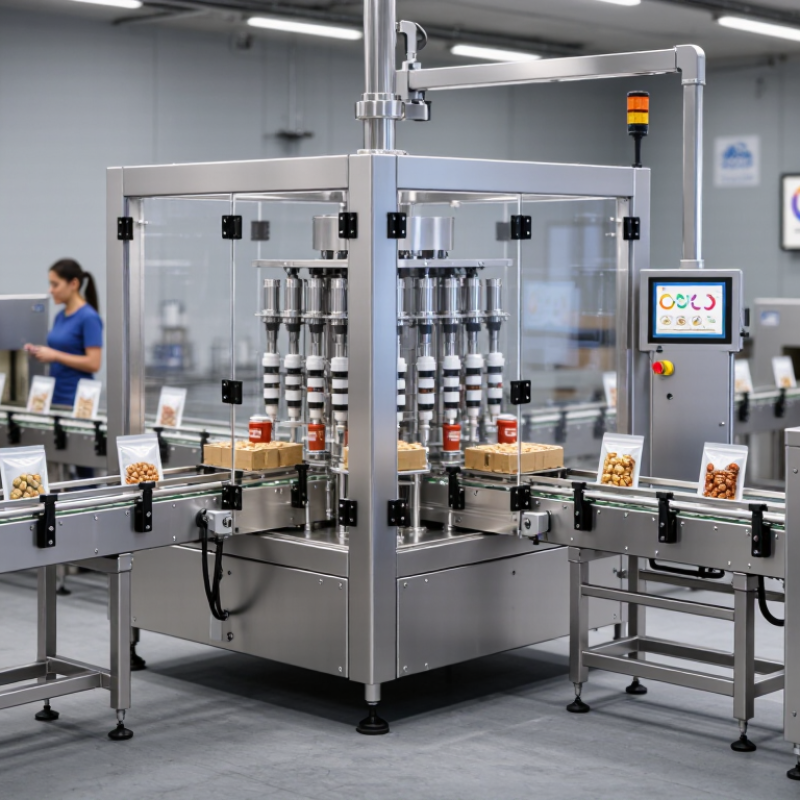
How to Choose Food Packaging Equipment in 2026

Define Your Product, Packaging Format, and Production Requirements

Before comparing machines, define the product’s behavior on the line. Is it powder that bridges, chilled sauce that drips, or fragile pieces that chip? Note temperature, viscosity, particle size, target weight, and whether the product needs a controlled atmosphere.

Then specify the pack: pouch, tray, carton, bottle, or another format. Film thickness, seal width, opening features, and headspace can change the required forming, filling, and sealing method. Small details matter.

The Flexible Packaging Association’s 2024 State of the Flexible Packaging Industry report valued U.S. flexible packaging sales at about $42.9 billion in 2023. That figure signals a substantial format category, not a reason to choose a pouch by default. Check whether the package protects the product and suits storage, shipping, and the customer’s handling needs.

PMMI’s 2023 State of the Industry report put U.S. packaging machinery sales above $10 billion, underscoring the scale of equipment investment. Set production requirements just as carefully: good packs per minute, shift length, changeover frequency, available floor space, and staffing.

Ask suppliers to test your actual product and packaging materials. A clean demo with water is not enough. Record reject rates and changeover time, too. The planned speed may look right on paper; real-world performance can still disappoint. That deserves a second look.
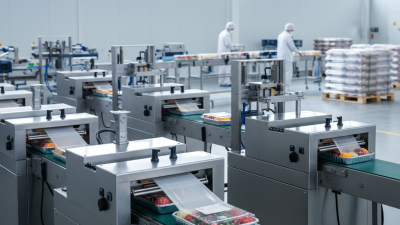
Compare Packaging Equipment Types and Core Technologies

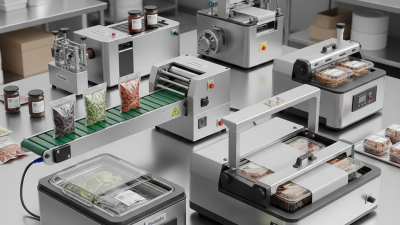
Choosing packaging equipment in 2026 starts with product behavior, not a machine brochure. A free-flowing snack may suit vertical form-fill-seal equipment. It forms a bag from roll stock and fills it in one cycle. Flow wrappers suit stable bars or trays and can run quickly. Pre-made pouch machines allow flexible formats but require pouch loading. Cartoners protect rigid packs and create neat retail displays, though they need more floor space. Small differences matter.

Core technologies shape how reliably each machine performs. Servo drives support repeatable motion and quicker recipe changes. Load cells help control fill weight, but need stable mounting and routine checks. Vision systems can detect crooked labels or weak seals. Dust and glare can confuse them. Gas flushing may help preserve selected foods, provided the film and seals suit the product. Ask for trials with your actual product, packaging material, and target speed. Watch changeovers, reject handling, and cleaning—not only the fastest run. Still, specifications can mislead. A machine tested on tidy samples may struggle with irregular pieces or humid powder. Record downtime and operator feedback during trials; those details can reveal trade-offs that a speed figure misses.

How to Choose Food Packaging Equipment in 2026

Compare packaging equipment types and their indicative operating speeds.

Speed ranges are indicative commercial operating ranges, not guaranteed output. Actual throughput varies with product, package size, filling method, and line configuration. Choose equipment by matching package format and product requirements first, then assess sanitation, changeover time, and integration needs alongside speed.

Assess Capacity, Automation, and Line Integration Needs

Choosing food packaging equipment in 2026 starts with your real production rate, not the fastest number on a brochure. Record average output, peak demand, changeover time, and expected growth. A line filling 40 packs per minute may need extra capacity to handle pauses. But oversized equipment can sit underused. Measure actual demand.

Automation should address a specific bottleneck. If operators spend hours weighing portions, feeding packages, or checking seals, targeted automation may reduce repetitive work and variation. Map every task, including film loading, jam clearing, and sanitation. These details matter. Compare labor needs, reject rates, and restart times after stoppages, not just advertised speed. Keep controls practical for your team; complex systems can slow changeovers.

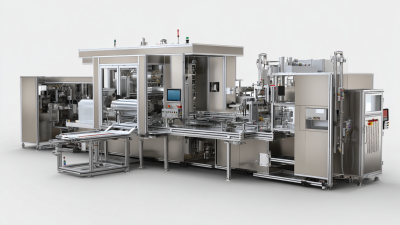
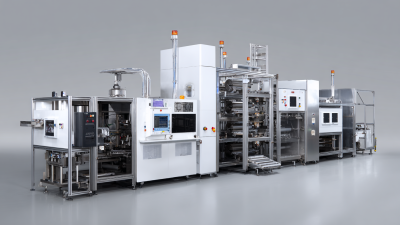
Check how equipment fits and works with the rest of the line. Confirm conveyor height, floor space, power, air supply, guarding, and product handoff points before purchase. Test your actual product and packaging material, then assess seal quality and output over a full shift. A brief demonstration is not enough. Check cleaning access and spare-part availability, too. A common oversight is a discharge conveyor that cannot feed the next machine reliably. Leave room for future additions, but keep the plan realistic.

Check Safety, Regulatory, and Sustainability Requirements for 2026

Choosing food packaging equipment in 2026 requires more than comparing speed and output. Match the machine to the product, package material, and cleaning routine. Check that guards, emergency stops, and access panels support safe operation and maintenance. Small details matter. A narrow gap near a conveyor can collect food residue, while awkward changeovers may encourage rushed work.

Check food-contact materials and documentation for every component that touches the product. Requirements vary by market and package type, so confirm applicable rules with qualified regulatory staff before purchase. Ask suppliers for material declarations, testing records, and clear cleaning instructions. Keep records close. Also test the equipment with your actual products; a pouch that seals well in a sample run may behave differently during a full shift.

Sustainability checks should be practical, not just promotional. Measure energy use, water use, compressed-air demand, and packaging waste during production trials. Ask whether the machine can handle recyclable or lighter-weight materials without increasing leaks or product damage. Track film trim and rejected packs. A common planning mistake is assuming a new material will run smoothly without adjustments. It may not. Leave time for trials, operator feedback, and changes to sealing temperature or line speed.

Compare Total Ownership Costs and Evaluate Equipment Suppliers

A 2026 equipment quote is only the entry price. Compare the full cost across a realistic service life: installation, change parts, utilities, maintenance, training, downtime, and eventual replacement. PMMI’s 2024 State of the Industry report puts U.S. packaging machinery shipments at roughly $10 billion, underscoring the scale of this investment. A small percentage difference in operating costs can matter more than a discounted purchase price. Build a spreadsheet using your actual shifts, product changes, and local energy rates. Then test best- and worst-case scenarios.

Energy deserves a closer look. The U.S. Department of Energy’s compressed-air guidance notes that compressed air can account for about 10% of industrial electricity use. Ask suppliers for measured consumption at your expected speed, not just the machine’s rated maximum. Include air leaks, warm-up time, and idle periods. They add up. One imperfect but useful check: compare the proposed figures with a temporary meter reading on your current line.

Evaluate suppliers with the same care as the equipment. Request references from plants handling similar pack sizes and washdown routines. Ask for documented service response times, spare-parts availability, training scope, and warranty exclusions. Have the supplier run your actual product and film, then record changeover time, reject rate, and output. A polished demo is not proof. Compare bids line by line, and ask who pays when integration delays production. I would also leave room for uncertainty: actual uptime depends on operators, maintenance, and product variation, not just the machine.

Shopping cart