How to Choose the Right Packaging Machinery for Your Business?
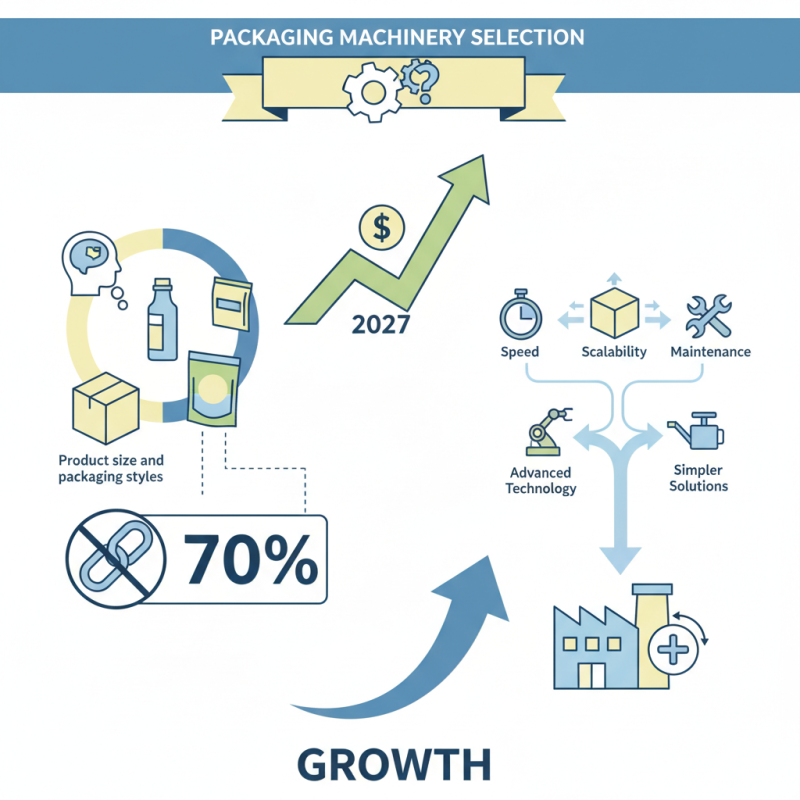
Choosing the right Packaging Machinery is crucial for any business seeking efficiency and productivity. With the global packaging machinery market projected to reach $55 billion by 2027, businesses need to make informed decisions. Expert Alex Thompson from Packaging Solutions states, "Selecting the right machinery can significantly reduce costs and enhance operational efficiency."
Understanding the specific needs of your operation is essential. Variability in product size and packaging styles means there isn't a one-size-fits-all solution. Research shows that nearly 70% of companies struggle with machinery that does not fit their unique requirements. Exploring the options can be overwhelming, yet informed choices can lead to greater gains.
Consideration of factors like speed, scalability, and ease of maintenance plays a vital role. Some businesses invest in advanced technology, while others find it more beneficial to stick with simpler solutions. Reflecting on your current and future needs can guide you in this intricate landscape. Are you prepared to invest in the right Packaging Machinery for your growth?
Identifying Your Packaging Needs and Requirements
Identifying your packaging needs is crucial for choosing the right machinery. According to the Packaging Machinery Market Report, the industry is expected to grow by 4.8% annually. Understanding your specific requirements ensures you select equipment that aligns with your production goals.
Begin by analyzing your product characteristics. Consider size, shape, and sensitivity. Products with complex shapes might require custom solutions, while fragile items need gentle handling. Regularly assessing your product line can lead to better machinery decisions. Packaging efficiency impacts operational costs, making correct choices vital.
Tips: Consult with industry experts to pinpoint needs. They can provide insights into machinery types suitable for your products. Additionally, invest time in comparing specifications. A thorough comparison may uncover a machine that offers superior performance and flexibility.
Reflecting on past experiences can also guide your selection process. Examine any previous packing failures. Understanding what didn’t work will help avoid similar mistakes. Flexibility in machinery can be a double-edged sword. While it allows adaptation to various products, excessive complexity may slow operations. Choose wisely.
Evaluating Different Types of Packaging Machinery
When evaluating packaging machinery, businesses must consider several key factors. The type of machinery affects production speed and efficiency. For instance, automated machines can speed up packaging processes by 30% to 50%, making them a popular choice. In contrast, semi-automated systems may be more cost-effective for small to medium-sized operations but require more manual labor. Choosing the right balance is crucial.
Understanding the materials you will package is equally important. Different machinery is suited for various materials, ranging from plastic to glass. According to industry reports, the demand for sustainable packaging solutions has increased by 25% over the past two years. This growth reflects a shift towards eco-friendly materials and processes. Companies must choose machinery that can adapt to these evolving material needs.
It's vital to assess the machinery's adaptability for future needs. Some businesses may rush into purchasing equipment without evaluating long-term goals. A recent survey indicated that nearly 40% of companies were dissatisfied with their packaging solutions after a year. Investing in machinery that allows upgrades or modifications can save costs and prevent future inefficiencies.
Considering Budget and Cost-Effectiveness
Choosing the right packaging machinery often revolves around budget and cost-effectiveness. An initial investment can be daunting. However, understanding your requirements is crucial. Analyze your production volume and product type. This will help you estimate the machine’s capacity. A higher capacity could mean a higher upfront cost, but it can save you money over time through efficiency.
Consider the total cost of ownership. It's not just about the purchase price. Maintenance, energy consumption, and operational costs matter. Sometimes, cheaper machinery results in frequent breakdowns, leading to unplanned expenses. A machine that seems affordable may not be the best choice if it requires constant repairs. Look for options that offer longevity and reliability.
Don't ignore the potential for automation. Automated machines can handle tasks more efficiently, reducing labor costs. However, weighing the initial automation investment against its long-term savings is important. Engage with experts or consultants to evaluate your specific needs. An honest discussion can reveal pitfalls to avoid. Being informed and reflective during this process can lead to smarter decisions for your business.
Assessing Equipment Compatibility with Existing Processes
When assessing equipment compatibility with existing processes, it's essential to evaluate your current production line. Each machine must seamlessly integrate into your workflow. Think about the physical space available. The machinery should fit without creating congestion. Also, consider the utility requirements. Can your current setup support the new machinery? Compatibility is not just about product fit; it's about workflow and efficiency.
Another vital aspect is the training needed for your staff. New machinery often comes with a learning curve. Will your team adjust quickly? If not, consider the consequences. You might face delays or reduced productivity. Analyze the technical specifications carefully. They should align with your operational goals. Don’t forget about maintenance. How easy is it to service this equipment? Complex machines may lead to prolonged downtimes.
Additionally, the compatibility of your new packaging machinery with software systems is crucial. Automation is key in modern production. Make sure your equipment can communicate with your existing software. Data transfer speeds and compatibility are essential. Mismatched technologies could create bottlenecks. Think beyond just immediate needs. Reflect on future growth and flexibility. Will this machinery adapt as your business evolves?
Researching Vendor Reputation and Support Services
When selecting packaging machinery, vendor reputation is crucial. Companies should research vendors thoroughly. Check online reviews and industry forums for insights. A great machine is only as good as the support behind it.
Tips: Look for vendors with extensive experience in the field. They should have a proven track record of reliable performance. Check their history for any significant issues or recalls. This will help you gauge their reliability.
Support services are just as important. A responsive support team can make all the difference in minimizing downtime. Evaluate the vendor’s customer service approach. Are they easy to reach? Do they offer training and maintenance services? These factors are vital for long-term success.
Tips: Read up on warranty options and support agreements. Ask for client references to get first-hand experiences. An informed choice can prevent future headaches. You want a vendor who can adapt and grow with your demands.
How to Choose the Right Packaging Machinery for Your Business?
| Vendor Name | Reputation Rating (out of 5) | Years in Business | Support Services Offered | Average Response Time (Hours) |
| Vendor A | 4.5 | 15 | 24/7 Support, On-site Training | 2 |
| Vendor B | 4.0 | 10 | Standard Support, Online Resources | 4 |
| Vendor C | 4.8 | 20 | Dedicated Account Manager, 24/7 Support | 1 |
| Vendor D | 3.5 | 8 | Email Support, Limited Training | 8 |
| Vendor E | 4.2 | 12 | Remote Support, Comprehensive Documentation | 3 |