How to Choose the Best Vacuum Packaging Machine for Your Needs?
Choosing the right vacuum packaging machine can greatly enhance food preservation. According to John Smith, a leading expert in food technology, “The right vacuum packaging machine can extend the shelf life of food significantly.” His insights highlight the importance of understanding your specific needs.
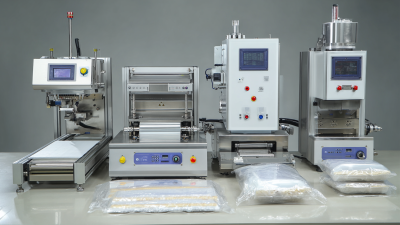
When selecting a vacuum packaging machine, consider the various options available. There are chamber vacuum sealers, external suction machines, and handheld models. Each type serves different purposes and various food items. For instance, chamber machines are ideal for bulk packaging, while external sealers work well for occasional use.
It's vital to reflect on other aspects too. Think about the frequency of use and the volume of packaging needed. Choosing a high-end machine may seem tempting but may not be necessary for simple tasks. Understand your requirements before making a decision. The journey to find the perfect vacuum packaging machine requires careful consideration and personal reflection.
Understanding Vacuum Packaging Machines: Purpose and Functionality
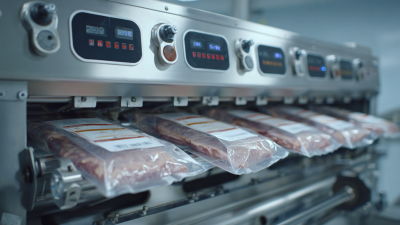
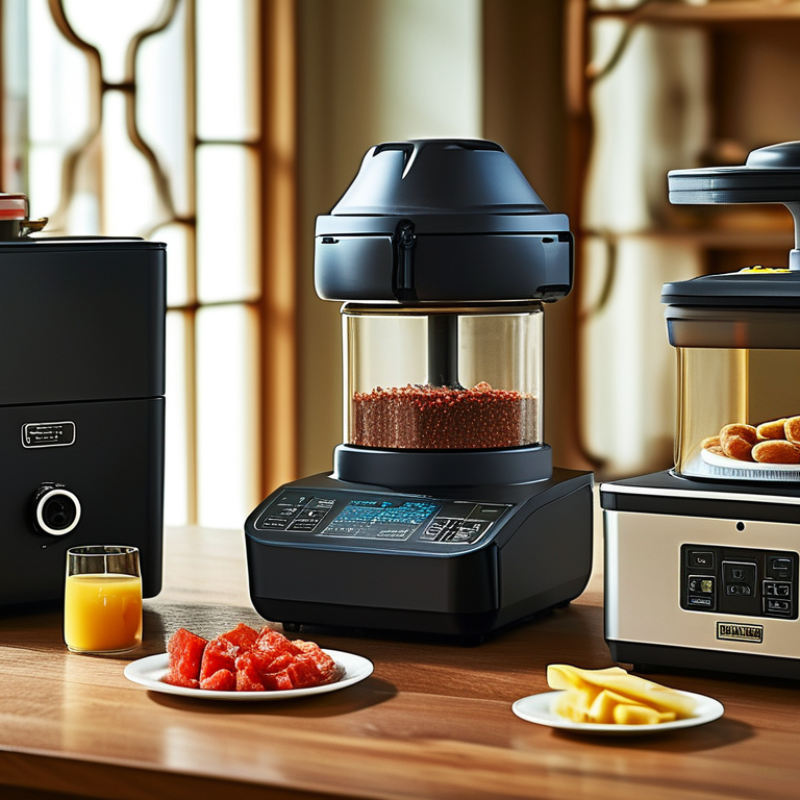
Vacuum packaging machines serve a crucial role in food preservation. They remove air from packaging, thus extending shelf life and maintaining quality. According to industry data, vacuum packaging can increase food longevity by 2 to 5 times compared to traditional storage methods. This is significant for both consumers and food businesses aiming to reduce waste.
Understanding how these machines function is vital. They use various techniques like heat sealing and impulse sealing to create airtight seals. Some high-quality models can handle different bag sizes and materials, making them versatile for various needs. Research indicates that the global vacuum packaging market is projected to grow at a CAGR of 4.5% from 2021 to 2027, reflecting their rising importance in the food industry.
But selecting the right machine isn't always straightforward. Inadequate machines may either fail to create a proper seal or compromise food quality. Prospective buyers should consider capacity, ease of use, and maintenance requirements. While complex machinery often promises enhanced features, simpler models can also effectively meet basic needs. It's essential to evaluate specific requirements before making a final decision.
How to Choose the Best Vacuum Packaging Machine for Your Needs?
| Feature |
Description |
Importance |
| Pump Power |
Indicates the speed and efficiency of vacuuming air out |
High importance - Affects sealing quality |
| Chamber Size |
Dimensions of the vacuum chamber where items are placed |
Medium importance - Needs to fit your product size |
| Control Type |
Manual vs. digital settings for vacuum and sealing |
Medium importance - Affects ease of use |
| Sealing Type |
Type of seal produced; can affect moisture retention |
High importance - Ensures product longevity |
| Portability |
Weight and design for easy transport and storage |
Low importance - Depending on usage scenario |
| Price |
Cost of the machine |
High importance - Must fit within budget |
| Warranty |
Length and terms of coverage for the machine |
Medium importance - Assurance of quality |
Key Features to Consider When Selecting a Vacuum Packaging Machine
When selecting a vacuum packaging machine, several key features can greatly enhance usability. One important aspect is the type of sealing method. Some machines use straightforward heat sealing, while others offer vacuum sealing with an additional chamber for better results. Consider how often you plan to use the machine. If it’s for daily use, look for one with robust performance and durability.
Another crucial feature is the vacuum strength. A stronger vacuum ensures better preservation. Many machines provide adjustable settings to customize the vacuum level for different foods. This is especially beneficial for fragile items. In a busy kitchen, a machine that operates quietly can be an asset, allowing you to multitask without noise distractions.
Tips: Always check the machine’s size and capacity. Portability might be a factor if storage space is limited. Read reviews to gauge reliability and service efficiency. Many users report issues after a few months of use. Pay attention to customer feedback to avoid common pitfalls. It’s wise to understand your specific needs before making a choice. Each feature can dramatically impact your experience. Consider how you will utilize the machine over time.
Types of Vacuum Packaging Machines: Pros and Cons of Each
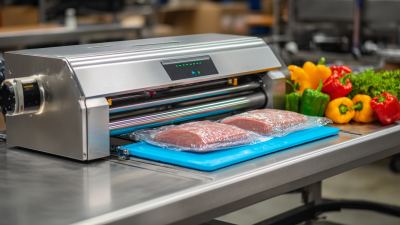
When choosing a vacuum packaging machine, understanding the types available is crucial. There are mainly two types: external and chamber vacuum sealers. External sealers are more affordable and user-friendly. They are great for home use and can seal various bags. However, they may struggle with liquids and delicate items. You might find them less effective for larger batches.
Chamber vacuum sealers, on the other hand, are designed for heavy-duty tasks. They work quickly and can handle liquids without issues. This makes them ideal for commercial settings. Nevertheless, they come at a higher price point. Their size also means they require more storage space. You might need to consider whether their advantages justify the investment for personal use.
Each type offers unique benefits and limitations. External machines may lack versatility, while chamber models could feel overwhelming for novice users. It's essential to reflect on your specific needs before making a decision. This can ensure you invest wisely in a machine that truly meets your requirements.
Assessing Your Storage Needs and Budget for Vacuum Sealers
When it comes to selecting the right vacuum packaging machine, assessing your storage needs is crucial. A recent industry report indicates that over 40% of households now use vacuum sealers to preserve food. This trend highlights the importance of understanding your specific needs. Do you require a machine for sous-vide cooking, long-term food storage, or bulk packaging? Each use case demands different features.
Your budget will also dictate your options. Vacuums range from $30 to $500, covering entry-level models to commercial-grade machines. While cheaper units can seal food effectively, they often lack durability. Investing in a quality machine may seem costly initially, but it can save money in the long run by reducing food waste. Research shows that proper vacuum sealing can extend the shelf life of food by as much as five times. This knowledge can guide your purchase strategy.
Don't forget about the machine's capacity. If you're storing large quantities of food, you'll need one with a wider sealing width. On the flip side, smaller households might find a compact model to be sufficient. Many users overlook this aspect, leading to frustration down the line. Before making a decision, consider these factors carefully to ensure it meets both your needs and your budget.
User Experience and Maintenance Tips for Vacuum Packaging Machines
When selecting a vacuum packaging machine, user experience plays a crucial role in maintaining efficiency. Effective vacuum sealing is linked to improved food preservation, with studies showing up to 5 times longer shelf life compared to standard storage methods. A good machine should feature user-friendly controls, making it easy for both novice and experienced users.
Regular maintenance is essential for optimal performance. Cleaning the sealing elements after each use can prevent buildup, ensuring a tight and effective seal. A recent report highlighted that improper maintenance can reduce equipment lifespan by up to 30%. Users should check the vacuum chamber for wear and tear, as this affects suction power. Addressing minor issues early on can prevent costly repairs.
Training sessions can enhance user confidence and ensure proper handling. Some operators may overlook the importance of using compatible materials. Research indicates that using the right bags can improve vacuum efficiency by 25%. Uncertainty and inconsistency in sealing can lead to food spoilage, emphasizing the need for diligence in choosing compatible supplies and following recommended practices.