How to Choose the Right Pouch Packing Machine

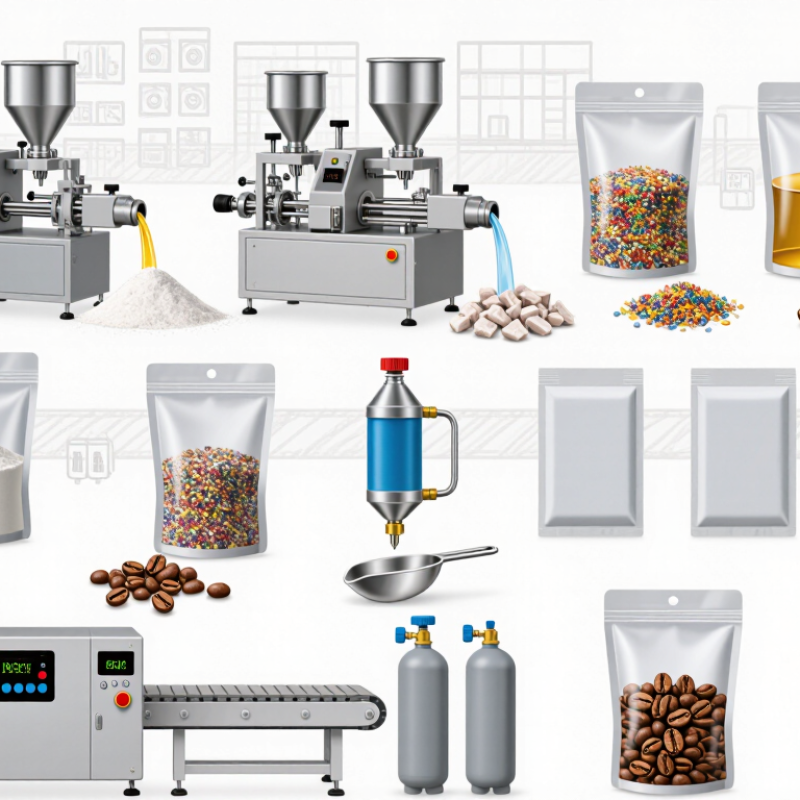
Choosing the right pouch packing machine starts with the product, not the machine’s advertised speed. Powder, granules, liquids, and fragile pieces place different demands on filling and sealing. A coffee pouch may need careful gas flushing, while a liquid product depends on clean, controlled dosing. Small differences matter.

Pouch style is equally important. Stand-up pouches, flat sachets, and zipper bags need compatible forming, opening, filling, and sealing systems. Confirm the pouch dimensions, film structure, fill weight, and seal requirements with the supplier. When possible, test your actual product and packaging material before making a decision. A neat specification sheet can still hide a poor fit.

Look beyond maximum output. Ask how accurately the machine fills at your target speed, how quickly operators can change formats, and how accessible product-contact parts are during cleaning. Check the required power, compressed air, floor space, operator training, and availability of spare parts. These details affect daily production, not just installation. Downtime is costly.

Reliable selection depends on evidence. Request a demonstration, review test results, and clarify which conditions produced the quoted speed and accuracy. Consider support response times and maintenance needs, too. The lowest purchase price may not mean the lowest operating cost. Not always.

No single machine suits every facility. The best choice balances product behavior, package design, production goals, budget, and the skills of the people who will run it. Some trade-offs remain. This guide explains the questions to ask before choosing a pouch packing machine, so you can compare options with practical criteria rather than promises alone.
How to Choose the Right Pouch Packing Machine

Define Product, Pouch, and Production Requirements

Define the product before comparing machine specifications. A dry powder may bridge in a hopper, while crisp pieces can break under aggressive feeding. Liquids need controlled dosing, and sticky products may cling to filling tubes. Small details matter. Note particle size, temperature, oil content, and whether the product settles during storage. These observations help determine the feeder, dosing method, and cleaning access the line will need.

Then specify the pouch itself. Record its width, length, material layers, zipper or spout, and seal style. A pouch that looks simple on a sample table may behave differently at speed. Ask for trials using your actual film and product, not just a substitute. Check seal strength, opening consistency, and whether product lands in the seal area. Minor wrinkles can become costly rejects.

Production targets should be realistic. Estimate saleable packs per minute, daily operating hours, changeover frequency, and expected staffing. Include time for refilling, cleaning, and routine adjustments; stated speeds rarely tell the whole story. Leave room for future volume, but avoid paying for capacity your process cannot feed. I would revisit these assumptions after a pilot run. It may reveal gaps in the plan.
How to Choose the Right Pouch Packing Machine

Estimate the required machine speed from your production target

These rates are calculated for 22 production days per month, two 8-hour shifts per day, and 85% uptime. They show the minimum average output needed to meet each monthly target; allow additional capacity for changeovers, cleaning, product characteristics, and pouch-format requirements.

Compare Pouch Packing Machine Types and Filling Systems

Choosing a pouch machine starts with the pouch format and product behavior. Vertical form-fill-seal machines form bags from a roll of film, making them practical for high-volume powders, snacks, and granules. Premade-pouch machines handle stand-up or zipper pouches and can simplify format changes, though the pouch itself adds cost. Rotary systems suit faster production; compact intermittent-motion systems may fit smaller runs. The trade-off is real.

The Flexible Packaging Association’s 2023 State of the Industry report put U.S. flexible-packaging sales at $42.9 billion in 2022. That scale reflects broad use of flexible packs, but it does not tell you which machine will suit your line. Match the filling system to the product: auger fillers meter powders, multihead weighers handle many free-flowing solids, and pumps or piston fillers serve liquids and pastes. A powder that clumps may defeat a standard auger. Test it.

During trials, check fill accuracy, seal cleanliness, changeover time, and the actual pouch film. A fast machine can still create waste if product dust lands on the seal area. Ask suppliers to run your own material at your target speed, then inspect several finished pouches—not just the best one. PackML-compatible controls can help with machine data and integration, but they cannot fix poor product flow. Real lines are messier than brochures.

Check Material Compatibility, Accuracy, and Output Capacity

A pouch machine must handle the actual film structure, not just a sample roll. Check laminate thickness, stiffness, sealant layer, and friction against the forming collar. Then test the intended pouch size and seal temperature. A film that tracks well when empty may wrinkle once filled. Small details matter. Smithers’ The Future of Flexible Packaging to 2028 projected the global market would reach about $299.5 billion by 2028, reflecting the scale and variety of flexible-packaging applications. That growth does not mean every film works on every machine.

Check dosing accuracy with your real product. Powders can bridge, while granules may settle unevenly; liquids can splash or drip at the seal area. Run repeated fills, then compare average weight and variation with your specification. Record reject rates, too. A single good sample proves little. Run a trial. Ask the supplier to test your film and product together, at realistic speeds, and keep the trial settings for later comparison.

Rated output is not the same as dependable output. Compare acceptable sealed pouches per minute, including routine stops for film splices, cleaning, and changeovers. Test the longest planned production run, not only a brief demonstration. One detail is easy to miss: operators may need time to adjust settings between pouch formats. I would leave room in the capacity plan for that uncertainty; real production is rarely as tidy as a speed chart.

Assess Automation, Changeover, Cleaning, and Maintenance Needs

How to Choose the Right Pouch Packing Machine

Assess Automation, Changeover, Cleaning, and Maintenance Needs

A pouch machine should match the work between runs, not just its rated speed. Check how operators load film, adjust settings, and clear misfeeds. During trials, time a changeover using the actual pouch sizes and closure styles you expect to run. Record tool changes, adjustment steps, and restart time. Small details matter.

Cleaning access deserves equal attention. Look for removable contact parts, open frame areas, and clear drainage paths. Ask operators to demonstrate the cleaning procedure, including awkward corners around seals and product-contact surfaces. Test it wet. A checklist can look tidy while missing a difficult-to-reach bracket; that is worth admitting before purchase.

Maintenance affects output long after installation. Confirm access to wear parts, fault diagnostics, and routine service points. McKinsey’s industrial maintenance analysis estimates predictive maintenance can reduce downtime by 30–50 percent, though results vary by equipment and operating conditions. Treat this as context, not a machine-specific promise. Ask suppliers what data the machine provides, then verify that your team can use it. A capable system is not automatically an easy one to maintain.

How to Choose the Right Pouch Packing Machine - Assess Automation, Changeover, Cleaning, and Maintenance Needs

Assessment Area Lower Automation Mid-Level Automation Higher Automation What to Verify Before Choosing
Typical operating setup Operators load and position pouches, then initiate or monitor filling and sealing steps. Automatic pouch feeding and filling are combined with operator oversight and replenishment. Integrated pouch handling, filling, sealing, coding, and inspection can reduce routine manual handling. Map each task from pouch loading through case packing. Confirm which tasks are automated and which still require an operator.
Production volume and labor May suit lower-volume production, frequent product trials, or operations where flexibility is more important than output. Can suit regular production runs with moderate output requirements and a balance of labor and automation. May suit sustained, higher-volume production where equipment utilization can justify greater investment and integration. Compare required good packs per minute with the machine’s rated speed, expected stoppages, and actual product and pouch conditions.
Pouch and product range Operator handling can provide flexibility across pouch sizes, but positioning and pack consistency depend more on the operator. Often configured for a defined range of pre-made pouch sizes and product types, with change parts for selected formats. Can handle multiple recipes or formats when designed for them; additional feeders, dosing systems, or change parts may be needed. Check pouch dimensions, material, zipper or spout features, fill weight, product flow, and seal-area requirements against the machine specification.
Changeover Some adjustments may be manual and straightforward, but repeatability can depend on operator skill. Change parts and recipe settings can make repeated format or product changes more consistent. Recipe controls and tool-less or quick-release parts may reduce adjustment work, but complex systems can still require setup and verification. Ask for a witnessed changeover using the intended products and pouch formats. Include cleaning, part replacement, first-pack checks, and operator training in the time estimate.
Cleaning and hygiene Accessible components can simplify manual cleaning, but product-contact parts may need to be removed and cleaned separately. Removable product-contact components and documented cleaning procedures can support routine sanitation between products. Automated cleaning features may be available on some designs, but they do not eliminate inspection or all manual cleaning tasks. Confirm product-contact materials, tool-free removal, allergen-control procedures, drainage, cleaning access, and whether the machine is suitable for the site’s washdown conditions.
Maintenance and support Mechanically simpler equipment may have fewer automated components, while routine inspection and operator care remain necessary. More sensors and drives may require scheduled checks, trained maintenance staff, and spare parts planning. Integrated systems can have more controls and connected components; downtime may affect multiple process steps. Review the maintenance schedule, critical-spares list, access to service documentation, training options, and local technical support availability.
Controls and safeguards Controls may be relatively simple; operators still need clear instructions and appropriate guarding. Recipe storage and fault messages can help standardize routine operation and troubleshooting. Line controls may coordinate multiple machines and provide production data, depending on the system design. Check guarding, emergency stops, safe access for cleaning and maintenance, recipe permissions, and compatibility with site control systems.
Total cost of ownership Lower initial automation can involve more direct labor and manual handling. Balances equipment investment with reduced manual tasks for selected operations. Higher investment may be offset by labor or throughput benefits when the line is used consistently. Estimate purchase and installation costs alongside labor, change parts, utilities, maintenance, cleaning time, training, and expected production losses.

Note: These are general selection guidelines, not guaranteed machine specifications. Actual throughput, changeover effort, cleaning time, and maintenance needs depend on the pouch, product, machine design, operating conditions, and site procedures. Confirm performance with a product-and-pouch trial.

Compare Total Ownership Costs and Supplier Support

A pouch packing machine’s purchase price shows only part of its cost. Compare film use, change parts, energy, routine maintenance, and expected downtime over several years. Ask for a written estimate based on your pouch size, product, and planned production rate. Small costs add up. A machine that runs smoothly with one pouch format may need extra parts or longer changeovers when formats vary.

Supplier support affects ownership costs, too. Request clear response times, technician availability, operator training, and spare-parts lead times. Ask what support is included and what carries an extra fee. Ask for specifics. If a critical part takes days to arrive, even a modest repair can disrupt a production schedule. Check whether maintenance instructions are practical for your team, and ask how software updates or troubleshooting are handled. Estimates are never perfect; assumptions about shifts, waste, and service life can change. Revisit them with real operating data after installation.

Tips: Compare total costs over the same period, such as five years. Get service terms in writing, and speak with a current operator if possible. Notice what the quote leaves out.

Shopping cart