What is a cooling tower and how does it work?
cooling towers play a crucial role in various industries, including manufacturing and power generation. According to Dr. Emily Thompson, a renowned cooling tower expert, “A well-designed cooling tower is essential for efficient heat management.” This statement highlights the importance of understanding how these systems function.
cooling towers operate by transferring excess heat from water to the atmosphere. They take in warm water, expose it to air, and cool it down. This process seems simple, but it involves complex engineering. Misunderstandings about cooling tower efficiency can lead to significant operational issues. Choosing the right materials and designs is vital for long-term reliability.
Despite their benefits, many facilities face challenges with cooling towers. Regular maintenance is often neglected, which can decrease efficiency. Contaminants can also accumulate, leading to ineffective performance. A functional cooling tower can save energy costs and improve system performance, but neglecting these systems leads to potential pitfalls. Understanding cooling tower mechanics is a step towards optimizing their use.
What is a Cooling Tower?
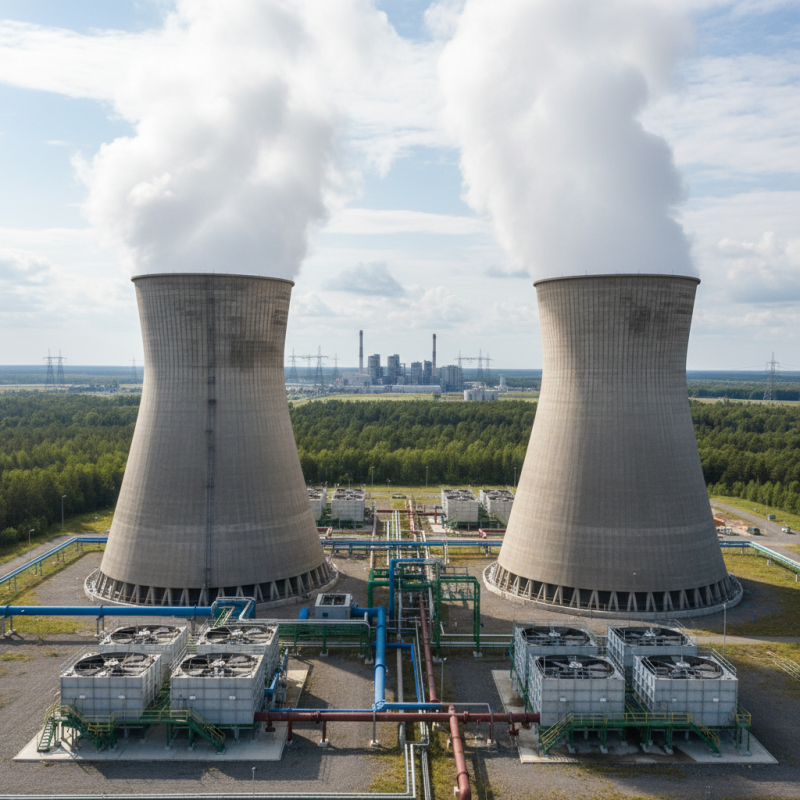
A cooling tower is a heat rejection device. It cools water by evaporating a portion of it. This process helps remove heat from industrial equipment. Cooling towers are vital in power generation, HVAC systems, and manufacturing processes.
Typically, a cooling tower consists of a large structure with a fan at the top. Warm water is pumped through the tower from below. As the water cascades down, some evaporates, cooling the remainder. The cooled water is then collected at the base.
Despite their effectiveness, cooling towers can present challenges. They require regular maintenance. If neglected, they can become breeding grounds for bacteria. The design may also lead to water loss due to excessive evaporation. It's essential to evaluate these factors to ensure optimal performance.
Types of Cooling Towers and Their Applications
Cooling towers come in various types, each designed for specific applications. Open cooling towers are common in industrial settings. They use evaporation to cool water. The warm water flows through the tower and is cooled as it comes into contact with the air. This method is efficient, but it requires a constant supply of fresh water. Environmental impact is a concern here.
Closed cooling towers, on the other hand, circulate water inside tubes. They prevent contamination, making them suitable for sensitive processes. These towers are often found in power plants and HVAC systems. However, they can be more expensive to maintain.
Finally, hybrid cooling towers combine features of both types. They can switch between open and closed modes, offering flexibility. These towers are emerging as a popular choice for large facilities. As technology advances, the efficiency and environmental footprint of cooling towers continue to change.
Principles of Operation: How Cooling Towers Function
Cooling towers play a vital role in industrial and commercial cooling systems. They remove excess heat from processes or buildings. The operation of cooling towers relies on a few fundamental principles.
When hot water from machinery or air conditioning systems flows into the cooling tower, it is spread over fill material. This increases the water's surface area. As air circulates through the tower, it mixes with the water. This interaction allows heat to dissipate into the air. Evaporation occurs, and cooler water collects at the bottom. The process is simple yet effective.
Some challenges arise in managing cooling towers. For instance, maintaining optimal water quality is essential. Poor water conditions can lead to scale build-up or biological growth. These issues may hinder efficiency. Regular maintenance is crucial. Ignoring this can result in higher energy costs or operational failures. Reflecting on these challenges can help improve cooling tower performance and longevity.
Key Components of a Cooling Tower
Cooling towers are essential for industrial processes. They help dissipate heat from machinery or water systems. Understanding their key components is crucial for effective operation.
The main components of a cooling tower include:
- Fill: Increases the surface area, allowing water to cool more efficiently.
- Drift Eliminators: Reduce water loss by capturing droplets.
- Fans: Pull air through the tower, enhancing cooling.
Together, they create a cycle to manage thermal loads effectively.
Tip: Regular maintenance is vital. Inspect the fill and fan for wear. This can prevent inefficient cooling.
In some cases, cooling towers can experience scaling or fouling. These issues hinder performance. Therefore, monitoring water quality is necessary. Keeping it clean supports efficient operation.
Tip: Use water treatment to avoid fouling. This practice encourages better heat exchange.
Pay attention to noise levels. A noisy tower may signal issues. Addressing these early can save costs later. Properly configured cooling towers lead to better performance and longevity.
Benefits and Challenges of Using Cooling Towers
Cooling towers play a crucial role in various industries. They are designed to dissipate heat from industrial processes or power generation. However, the benefits of cooling towers come with significant challenges. Reports indicate that about 30% of a facility's energy consumption may stem from cooling systems. This highlights the need for efficiency improvements.
One major benefit of cooling towers is their energy-saving potential. Studies show that optimizing cooling tower operations can reduce energy expenses by up to 20%. This reduction is primarily due to the lower usage of chillers. Additionally, cooling towers can utilize reclaimed water, further decreasing operational costs. However, the initial setup can be costly and requires careful planning.
Maintenance poses another challenge. Dirty cooling towers may lead to inefficiencies and health risks due to bacterial growth. The annual cost of maintaining cooling towers often ranges from 1% to 3% of the system's total installation cost. This cost variance depends on the level of fouling and operational complexity. Therefore, regular maintenance is vital. Balancing benefits with these challenges is essential for effective cooling tower operation.
What is a cooling tower and how does it work? - Benefits and Challenges of Using Cooling Towers
| Aspect | Description |
| Definition | Cooling towers are heat rejection devices that use water to transfer waste heat into the atmosphere. |
| Working Principle | Hot water is passed through the cooling tower, where it comes into contact with air. The heat is transferred to the air, cooling the water before it is recirculated. |
| Benefits | Energy efficiency, reduced operational costs, scalability, and environmental friendliness. |
| Challenges | Water consumption, maintenance requirements, potential for waterborne pathogens, and noise generation. |
| Applications | Used in power plants, chemical processing, HVAC systems, and manufacturing industries. |
| Types | Open, closed, and hybrid cooling towers are common configurations based on different operational needs. |