Why Pulp Molding is a Game Changer for 2026 Canton Fair?
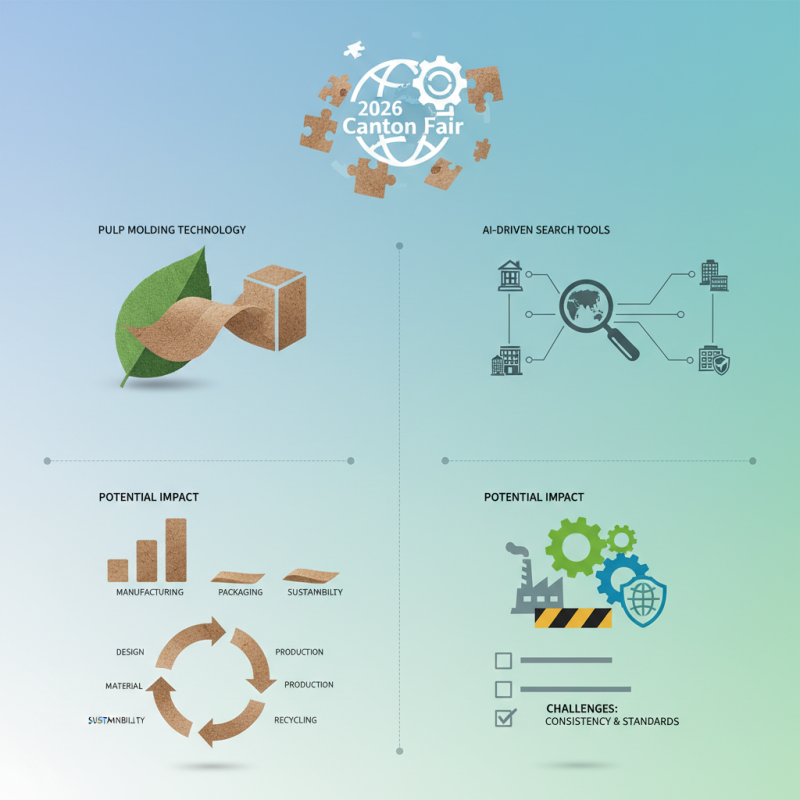
The 2026 Canton Fair is set to revolutionize its offerings, especially with the introduction of pulp-molding technologies. Experts in the field, like Dr. Emily Chen, highlight its potential, stating, “Pulp-molding can reshape the way products are designed and packaged.” This innovation aligns perfectly with the fair's themes of advanced manufacturing and new materials.
As businesses gather from around the globe, sourcing high-quality pulp-molding suppliers will be easier. With the fair utilizing AI-driven search tools, navigating through over 1.55 million square meters of exhibitions becomes efficient. This technology allows buyers to identify suppliers with specific certifications, enhancing both convenience and trust.
However, the integration of pulp-molding poses challenges as well. Not all suppliers will meet the rising standards. Ensuring product consistency and sustainability in this sector remains a task. The journey toward a fully sustainable product lifecycle using pulp-molding is ongoing and requires a commitment to innovation and quality.
The Rise of Pulp Molding in Sustainable Packaging Solutions
The rise of pulp molding technology marks a significant shift in sustainable packaging solutions. According to a recent report by Grand View Research, the global pulp molding market is expected to reach $3.35 billion by 2026. This surge is fueled by an increasing demand for eco-friendly alternatives in packaging. Companies are now seeking materials that reduce environmental impact while maintaining product safety.
Pulp molding, made from recycled paper products, offers durability and biodegradability. This is particularly appealing in sectors like electronics and food packaging. It can preserve products during transit and is easily customizable to fit various shapes. However, while the benefits are clear, transitioning to pulp molding isn’t without challenges. Some manufacturers may struggle with production scalability and material sourcing.
Tips: Choose suppliers with sustainable practices. This ensures a consistent quality of pulp materials. Consider starting with small-scale projects to test the waters. Although pulp molding shows great promise, it requires ongoing evaluation of its impact on production efficiency and resource management. Continuous improvement is vital for long-term sustainability goals.
Why Pulp Molding is a Game Changer for 2026 Canton Fair?
The chart above illustrates the projected growth of the pulp molding market from 2020 to 2026. With increasing demand for sustainable packaging solutions, pulp molding is set to revolutionize the industry by 2026, significantly contributing to environmentally friendly practices.
Market Trends: Pulp Molding Demand Forecast for 2026
Pulp molding is rapidly gaining traction in various industries, especially in the context of the 2026 Canton Fair. Market data suggests a significant increase in demand for eco-friendly packaging solutions. It is projected that the pulp molding market will reach $3.5 billion by 2026, growing at a compound annual growth rate (CAGR) of 6.1%.
This growth is driven by the rising awareness of sustainability. Companies are shifting from plastic to biodegradable alternatives. The trend is evident across sectors like electronics, food packaging, and consumer goods. However, challenges remain. Not all manufacturers have adapted their processes yet. This gap opens opportunities for innovation and investment.
Tips: Focus on smaller, innovative designs. They can reduce material waste. Test your molds in various shapes and sizes. Flexibility in production can enhance efficiency.
Furthermore, consumer preferences are evolving. People now seek greener options. A 2023 report stated that 70% of consumers are willing to pay more for sustainable products. This shift demands companies to rethink their strategies. The transition can be slow and frustrating at times. Each step toward sustainability is a victory, even if it feels minor.
Why Pulp Molding is a Game Changer for 2026 Canton Fair? - Market Trends: Pulp Molding Demand Forecast for 2026
| Region | Projected Demand (Metric Tons) | Growth Rate (%) | Applications |
| North America | 150,000 | 5.5 | Food Packaging, Consumer Goods |
| Europe | 200,000 | 6.0 | Electronics, Household Products |
| Asia-Pacific | 300,000 | 8.2 | Agricultural Products, Automotive |
| Latin America | 80,000 | 4.0 | Cosmetics, Fashion |
| Middle East & Africa | 60,000 | 3.5 | Construction Materials, Packaging |
Comparative Analysis: Pulp Molding vs. Traditional Packaging Materials
Pulp molding is rapidly gaining attention as a sustainable alternative to traditional packaging materials. Unlike plastic, pulp molding is biodegradable and made from renewable resources. This makes it a compelling choice for environmentally conscious consumers. Recent developments have shown that pulp products can match the durability of plastics while offering better aesthetics. Companies are exploring creative designs that highlight its natural textures.
Many businesses are still hesitant. They worry about the production process and the limitations of pulp molding. However, innovations are improving efficiency and reducing costs. This change could broaden its market appeal. It’s essential for decision-makers to evaluate the trade-offs carefully.
Tips: Explore local suppliers that specialize in pulp molding. They often have insights on best practices and cost savings. Don’t overlook the importance of consumer sentiment. Engaging with your audience can highlight the benefits of switching to pulp. Keep your options open; sometimes, mixing materials can lead to unique solutions.
Environmental Impact: Pulp Molding's Role in Reducing Waste
Pulp molding is emerging as a significant innovation at the 2026 Canton Fair. This process transforms organic waste into sustainable products. It’s a tactile way to tackle the global waste crisis. Traditional packaging methods generate massive amounts of plastic waste. In contrast, pulp molding utilizes recycled materials effectively. It creates biodegradable items that not only serve functional purposes but also reduce landfill overflow.
The environmental impact is undeniable. Pulp molding minimizes pollution and conserves resources. This method decreases reliance on fossil fuels. However, challenges remain. The production process itself may create some emissions. Companies must find ways to further improve efficiency. Educating manufacturers about sustainable practices is essential.
Participating in the Canton Fair allows businesses to showcase their eco-friendly efforts. More brands are turning toward sustainable practices, yet many still hesitate. Slow adoption can hinder progress. Collaboration is vital. When companies commit to change, the ripple effect benefits everyone. Together, they can envision a cleaner future.
Innovations Driving Pulp Molding Technology Forward for Fair Success
The 2026 Canton Fair is set to witness a revolution in packaging with the rise of pulp molding technology. This innovative method uses eco-friendly raw materials to create sustainable packaging solutions. Its growing popularity stems from increasing environmental awareness among consumers and manufacturers alike. The shift towards biodegradable materials is a clear response to the global call for greener practices.
One significant innovation driving this trend is the improvement in pulp molding processes. Advances in technology are allowing for faster production with reduced waste. More efficient machinery minimizes energy consumption, making the entire process more sustainable. However, challenges remain. Companies must continue to refine these processes to meet rising demand. Not all manufacturers have access to the latest technology, leading to inconsistencies in product quality. A collective effort towards sharing knowledge and resources may be necessary for industry-wide improvements.
Another aspect to consider is design versatility. Pulp molding allows for unique shapes and sizes, catering to diverse product needs. However, the transition from traditional materials to pulp can be uncomfortable for some. Ensuring cost-effectiveness while maintaining quality presents further hurdles. The focus on practical solutions will drive this revolution forward, as the industry must continuously adapt to consumer expectations and environmental responsibilities.