
Top 10 Thermal Paper Label Manufacturers in China?

Thermal Paper Labels support everyday tasks, from shipping parcels to printing shelf tags and warehouse barcodes. Their performance depends on more than paper brightness. Coating consistency, adhesive strength, roll dimensions, and print clarity can all affect daily operations. A faded barcode can slow a packing line. A poorly matched adhesive may lift from a carton in a cool storeroom.

Grand View Research’s Thermal Paper Market report estimated the global market at USD 4.3 billion in 2022 and projected a 6.7% compound annual growth rate from 2023 to 2030. This figure covers thermal paper applications broadly, not label stock alone, so it should not be read as a China-label-market estimate. Still, it signals sustained demand for dependable thermal printing materials. Small details matter.

This guide introduces 10 thermal paper label manufacturers in China and considers practical comparison points, including product range, converting capacity, customization, quality documentation, and export experience. Buyers should request current specifications and test samples under their own printer, storage, and application conditions. No supplier profile can replace that check. Public company information also varies in depth, and this overview is not a factory audit or a guarantee of performance. But claims vary. Use the comparison as a starting point, then verify the details that matter to your operation.
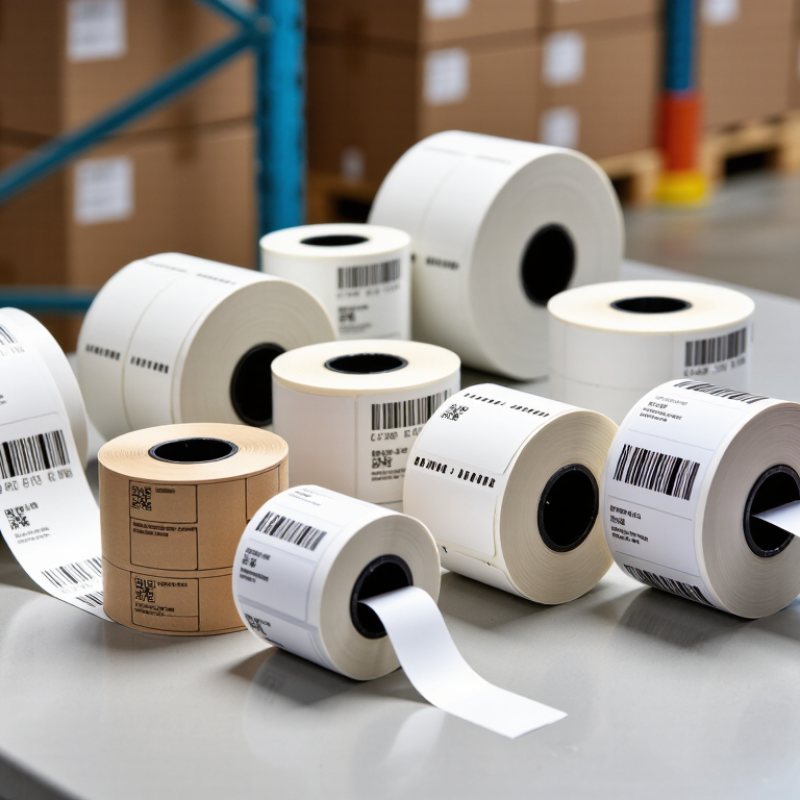
Top 10 Thermal Paper Label Manufacturers in China?

What Are Thermal Paper Labels and How Are They Used?

Thermal paper labels are made with a heat-sensitive coating that darkens when touched by a compatible printer’s heated printhead. The image forms directly on the label surface. No ribbon is needed. This makes direct thermal printing convenient for short-term labels and fast-moving workflows. You may see these labels on shipping parcels, checkout items, and warehouse bins.

Their usefulness depends on the job. A courier label may need to remain readable through sorting and delivery, while a shelf label may be replaced often. Thermal labels can also mark food containers with dates, provided the label stock and adhesive suit the surface and storage conditions. Heat, sunlight, friction, and some chemicals can fade or darken the print. Still, this material is not a perfect fit for every application; labels stored for long periods may lose clarity.

Tips: Test a sample before ordering in bulk. Print a small batch, then check it after exposure to your actual handling conditions. Confirm the printer width, roll core, label size, and adhesive type. Store unused rolls in a cool, dry place away from direct sunlight. These checks seem basic, but they prevent avoidable reprints.


How Are Thermal Paper Labels Manufactured in China?

Thermal paper label production in China generally begins with a smooth paper base, selected for thickness, surface quality, and the intended printer. The paper passes through a coating line, where a heat-sensitive layer is applied in a controlled, even film. Direct thermal coatings typically combine a color-forming dye, a developer, and other ingredients that help the image appear when heated. Small flaws matter. Uneven coating can create pale stripes or inconsistent print density.

After drying, the coated roll is rewound and checked for surface defects and heat response. Some products receive an additional protective layer to improve resistance to friction, moisture, or oils, though no coating makes a label suitable for every environment. Adhesive is applied to the reverse side, then a release liner is added. Converting equipment slits the wide rolls into narrower rolls and cuts labels to the specified shape. Operators may test adhesion, dimensions, and sample barcodes before packing. In practice, these checks vary by factory and product grade. A label that prints well in a warm, dry room may fade sooner in a hot delivery vehicle, so matching the coating and adhesive to actual storage conditions deserves more attention.

What Criteria Define a Leading Chinese Thermal Paper Label Manufacturer?

A leading Chinese thermal paper label manufacturer should prove performance, not just quote a low price. Fortune Business Insights valued the global thermal paper market at USD 4.26 billion in 2023 and projected USD 6.89 billion by 2032. This market-wide forecast signals demand, but it does not guarantee label quality. Ask for documented checks on coating weight, image density, adhesive tack, and roll-edge consistency. Consistency matters most. A faint barcode or lifting corner can disrupt a busy packing line.

Request samples from more than one production batch. Print them using your own printer, then check readability after exposure to heat, light, moisture, and handling. Ask how the supplier tracks paper lots and manages rejected rolls. Clear test records and realistic lead times are stronger evidence than broad claims about capacity. A supplier may still miss a detail; verify the data yourself.

Tips: Test real rolls. Compare print darkness, adhesive hold, and unwind tension on your actual equipment. Confirm whether specifications apply to every shipment or only a sample. Small differences can matter. Also ask for the report date and scope: market forecasts describe industry trends, not an individual factory’s quality or delivery record.

Top 10 Thermal Paper Label Manufacturers in China? - What Criteria Define a Leading Chinese Thermal Paper Label Manufacturer?
No. Evaluation Criterion What to Check Evidence to Request Why It Matters
1 Thermal Paper Construction Confirm whether the label uses direct thermal paper and identify the face stock, thermal coating, and any protective topcoat. Product specification sheet and a sample roll or sheet. Thermal coating and protective layers affect image formation and resistance to handling and environmental exposure.
2 Printer Compatibility Check the specified print method, label dimensions, roll direction, core size, and printer requirements. Compatibility details for the intended printer model and a print test using the actual artwork. Direct thermal labels form images through heat and do not require a thermal-transfer ribbon; printer and media settings still need to match.
3 Adhesive Selection Identify the adhesive type and intended application surface, temperature range, and service conditions. Technical data for the adhesive and application trials on the actual packaging or product surface. Adhesion depends on the surface and application conditions; one adhesive is not suitable for every use.
4 Release Liner and Die-Cutting Review liner material, label spacing, die-cut quality, edge condition, and dispensing performance. Converted samples and a trial on the intended label applicator, where applicable. Consistent conversion and dispensing help reduce feeding problems and label jams.
5 Print Quality Evaluate barcode readability, text and image sharpness, print consistency, and performance at the intended printer settings. Printed samples and barcode verification results for the buyer’s required barcode format. Barcode performance should be verified on the final label and print setup rather than inferred from appearance alone.
6 Image Durability Test resistance to the light, heat, moisture, oils, abrasion, and other conditions expected during use. Test method, test conditions, and results for the intended application. Direct thermal images can be affected by heat, light, friction, and chemicals; durability needs depend on the use environment.
7 Material and Specification Consistency Check that face-stock, adhesive, liner, roll dimensions, and winding specifications remain consistent between orders. Approved product specification, batch identification, and inspection records. Documented specifications and batch controls make it easier to detect and resolve product variation.
8 Quality Management Review documented procedures for incoming materials, production checks, nonconforming product, and corrective action. Current quality-management documentation and, if claimed, a valid certificate with its scope and issuing body. A certificate claim should be checked for validity and scope; it does not replace evaluation of the specific product.
9 Customization and Technical Support Assess the supplier’s ability to produce the required size, roll format, printing, packaging, and application-specific specification. Written confirmation of requirements, approved artwork or sample, and a documented change process. Clear specification approval helps avoid misunderstandings about dimensions, winding, print, and packaging.
10 Traceability and Delivery Control Confirm how orders and production batches are identified, packed, inspected, and monitored through delivery. Sample batch records, packing details, lead-time confirmation, and a process for handling complaints. Traceability and documented order controls support investigation of quality issues and delivery discrepancies.
Note: This table is a supplier-evaluation framework, not a verified ranking of individual manufacturers. Compare suppliers using the same product specification, samples, and application tests; confirm all certifications and performance claims directly with the supplier.

Who Are the Top 10 Thermal Paper Label Manufacturers in China?

The top 10 thermal paper label manufacturers in China are best identified by production capability, material consistency, and verifiable quality controls—not by advertising claims alone. A reliable supplier can explain its paper grades, adhesive options, coating performance, and converting process. Ask for samples in the exact size you need, such as 40-by-30-millimeter rolls, and test them in your printer. Details matter. Check whether barcodes stay readable after handling and whether labels peel cleanly from common packaging surfaces.

A useful shortlist should include factories that offer stable roll winding, accurate core dimensions, and clear inspection records. Request details about label thickness, roll length, storage conditions, and sample testing. Compare lead times and minimum order quantities, too. A polished catalogue is not proof of consistent output. A ranking can still mislead; supplier performance may vary by product line and order volume. I would verify claims through recent samples and a small trial order before committing. Ask direct questions, keep the answers, and judge the material under your own working conditions.

How Can Buyers Compare Suppliers and Choose the Right Manufacturer?

When comparing thermal paper label manufacturers in China, start with the label’s actual job. A shipping label and a freezer label face very different conditions. Check paper weight, adhesive type, roll size, and printer compatibility against your use case. Ask for samples, then print them on your own equipment. Look for clear barcodes, even coating, and edges that do not curl. A neat catalog is useful, but it cannot replace a test.

Supplier claims need evidence. Request recent inspection records and ask how batches are checked for coating consistency, adhesive strength, and roll defects. Confirm production capacity, sample lead time, and how quickly the supplier responds to a quality issue. Compare quotes on the same specifications; a low price may hide thinner paper or weaker adhesive. I would also ask for a written tolerance range. It can feel picky, but vague specs cause avoidable surprises. No sample test catches everything.

Tips: Test labels after exposure to heat, moisture, and a few days of storage. Record the results and keep one approved sample as a reference. Ask who pays for replacement if a batch fails agreed checks. Small details matter.

Shopping cart