10 Tips for Choosing Disposable Food Storage Containers
Choosing Disposable Food Storage Containers can seem like a small purchasing decision. Yet the right container can help protect food, simplify packing, and reduce messy spills. A lid that fits poorly may leak soup across a lunch bag. A container that is too shallow can crush berries or leave little room for leftovers.
The best choice depends on how the containers will be used. Consider the food, portion size, storage temperature, and whether the container needs to travel. Look for clear capacity information, sturdy seams, and lids that close securely. If food will be reheated, check the manufacturer’s directions rather than assuming every container is microwave-safe. Small details matter. A stackable shape may save shelf space, while a transparent base makes yesterday’s pasta easier to spot in a crowded fridge.
Material and cost also deserve a closer look. Some options are designed for cold foods, while others can handle a wider range of uses; labels and product specifications help clarify the difference. Think about how many containers a typical week requires, not just the price of one pack. There is no perfect choice for every kitchen, and I have found that convenience can sometimes outweigh appearance. That trade-off is worth considering. These ten practical tips will help you compare features carefully, avoid common mismatches, and choose containers that suit real meals—not just tidy product photos.
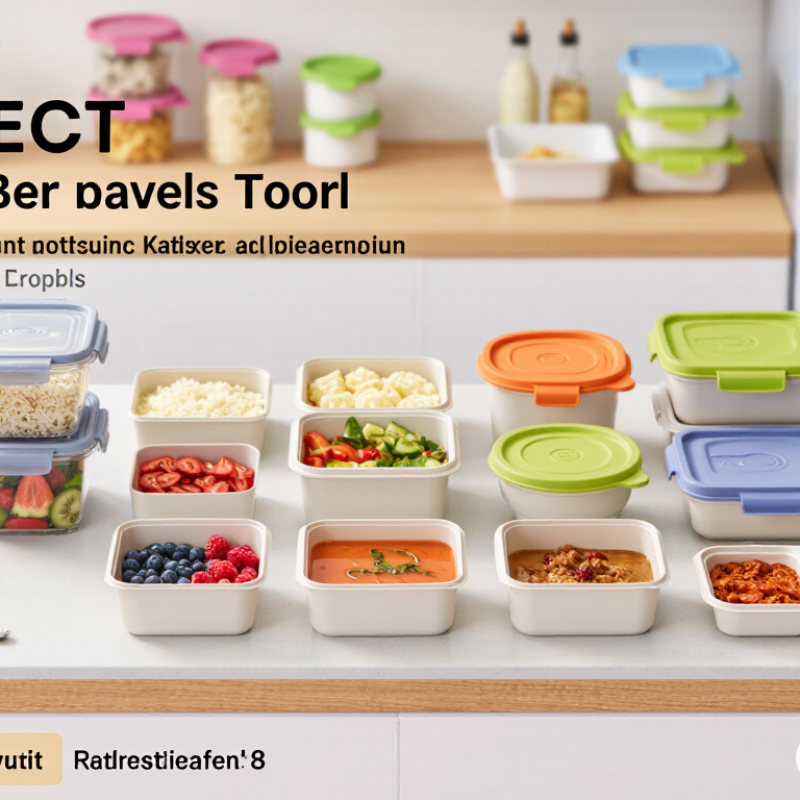
Identify the Food, Portion, and Storage Needs
Identify the food before choosing a container. Sauces, soups, and cut fruit need secure lids and enough room to prevent leaks. Dry snacks need less protection from moisture. For oily or acidic foods, check the container’s food-contact and temperature guidance rather than assuming every disposable option is suitable. A flimsy lid can turn a packed lunch into a mess.
Portion size matters just as much. A single-serving container can reduce leftovers, while a larger one may suit family meals. USDA Food Safety and Inspection Service guidance says to refrigerate perishable food within two hours, using shallow containers to help it cool quickly. Refrigerated leftovers generally keep for three to four days, according to its “Leftovers and Food Safety” guidance. It is easy to guess wrong about portion size; leave a little headroom for liquids and avoid packing food tightly while it is still steaming.
Tip: Match the container to the next stop. For a chilled meal, confirm it fits the refrigerator and seals well. For reheating, use only containers labeled for microwave use, and transfer food if the label is unclear. Small details matter. A quick check of the food, portion, and storage conditions can prevent leaks and unnecessary waste.
Compare Container Materials and Their Properties
Material choice affects more than price. It changes how a container handles heat, moisture, stacking, and transport. Polypropylene is commonly selected for warm meals because it tolerates heat better than many clear plastics. Still, “microwave-safe” must be confirmed on the container itself. Small detail, big difference.
PET is clear and lightweight, making it useful for chilled salads and desserts, but it is not a universal hot-food option. Paperboard feels sturdy when dry, yet sauces can soften it unless a barrier coating is used. Aluminum resists moisture and heat well, but it should not go in a microwave. The US EPA’s Advancing Sustainable Materials Management: 2018 Fact Sheet reports that containers and packaging made up 82.2 million tons, or 28.1% of US municipal solid waste. That scale makes material choice worth considering.
For delivery, check the lid fit and whether the base stays firm when filled with hot, oily food. For cold storage, clarity and leak resistance may matter more than heat tolerance. In practice, no material wins every test. A container that performs well with soup may be a poor choice for crisp pastries. I still find the coating question easy to overlook. Review the supplier’s temperature and food-contact specifications before ordering.
Choose the Right Size, Shape, and Closure
Choose a container by the food’s real serving size, not by the empty space in a cabinet. A single portion of soup needs enough headroom to reduce spills, while cut fruit sits better in a shallow container that keeps pieces visible. USDA Economic Research Service researchers estimated that 31% of the U.S. food supply was lost at retail and consumer levels in 2010. Right-sized portions can help limit uneaten leftovers, though containers alone cannot prevent waste.
Shape matters during packing and transport. Rectangular containers stack neatly in a lunch bag, while round ones suit sauces and foods that need stirring. Check the base and lid together before filling; a lid that flexes or corners that do not align can leak in transit. Fit matters. For dressings or broth, choose a secure closure and leave a little expansion room. For crisp snacks, a wide opening makes serving easier but may offer less protection from air. Not perfectly. Disposable containers vary, so confirm whether the material is suitable for hot food, refrigeration, or reheating before use. USDA ERS, “The Estimated Amount, Value, and Calories of Postharvest Food Losses at the Retail and Consumer Levels in the United States,” 2014.
Choosing Disposable Food Storage Container Sizes
Capacity conversions are rounded from US fluid ounces to milliliters. Choose a container that leaves room for the food without excessive empty space; match its shape to the food and available storage space, and select a closure suited to how it will be carried or stored.
Check Food Safety and Temperature Compatibility
Before packing food, check the container’s label for food-contact suitability and temperature limits. Look for clear instructions about refrigeration, freezing, microwaving, or use with hot foods. These uses are not interchangeable. A container that holds cold fruit may soften or warp when filled with hot soup. Do not guess. Small print matters.
In practice, check both the base and lid; their materials may handle heat differently. Microwave-safe does not mean oven-safe, and some lids should be removed or vented before heating. Avoid pouring very hot food into a container straight from the freezer, since a sudden temperature change can cause cracking or leaks. I still find that detail easy to overlook. Let food cool as directed, then refrigerate it promptly in a suitable container. Disposable packaging does not keep food safe by itself. If a container looks warped, cracked, or unusually soft, transfer the food rather than trusting it to hold. That small judgment call can prevent a messy leak.
Evaluate Cost, Sustainability, and Supplier Quality
Unit price is only the start. Compare delivered cost per usable container, including freight, storage space, lid fit, and breakage. A lid that pops loose in a delivery bag can erase savings quickly. Test samples with the actual menu: hot soup, oily dressing, or chilled cut fruit. Small trials expose problems that a catalog photo cannot.
Sustainability needs evidence, not a leaf-shaped logo. OECD’s Global Plastics Outlook (2022) estimates that packaging generated 40% of global plastic waste in 2019. Only 9% of plastic waste was recycled. That matters. Ask what the container is made from, whether local facilities accept it, and what documentation supports recycled-content or compostability claims. The less convenient truth: a better material can cost more and still have no local recovery route.
Supplier quality affects both cost and waste. Request current food-contact test records, material specifications, batch traceability, and clear defect-replacement terms. Compare lead times and minimum order quantities; excess stock can become waste before use. Check sample-to-production consistency by inspecting seals, wall thickness, and dimensions across several cartons. No supplier is flawless. A missed detail in your own checklist can matter too, so record trial results and revisit them after delivery.