5 Tips for Sourcing High Quality Metal Turned Parts Made In China?
In the global manufacturing landscape, sourcing high quality Metal Turned Parts Made In China is a crucial endeavor. Industry expert John Smith, who has over 15 years of experience in this field, emphasizes, "Quality control is key in selecting manufacturers in China." Understanding the sourcing process can significantly impact the success of your project.
Manufacturers in China offer a wide array of metal turned parts. However, not all suppliers deliver the same quality. It takes careful evaluation to identify those who prioritize precision and durability. Key factors include examining production techniques and checking supplier certifications.
Potential challenges also arise during sourcing. Communication barriers and time zone differences can create misunderstandings. Moreover, not all manufacturers share the same standards. Investing time to research and verify suppliers is essential. By focusing on these aspects, businesses can enhance their chances of obtaining top-notch metal turned parts made in China.
Understanding Metal Turned Parts and Their Applications
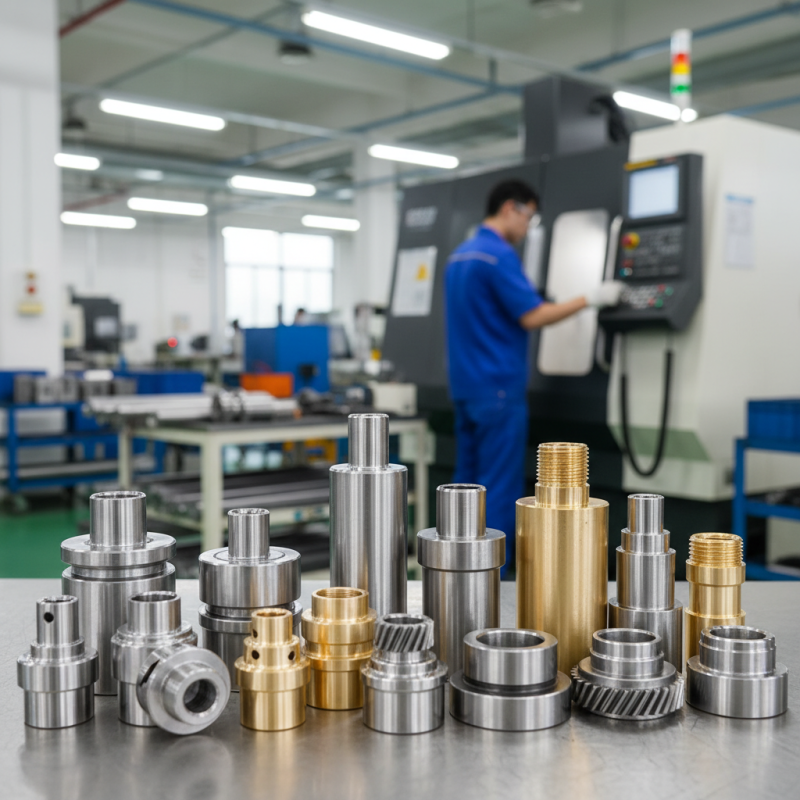
Metal turned parts are essential in various industries. They can be found in automotive, aerospace, and machinery applications. These components are manufactured through a machining process called turning. In this process, a piece of metal is rotated, and a cutting tool shapes it. This results in high precision and a smooth finish.
Common applications of metal turned parts include gears, shafts, and fittings. Many companies require these parts for their specific machinery needs. Quality control is crucial in their production to ensure durability and performance. Relying on reputable manufacturers can assure you receive reliable components that meet industry standards.
However, sourcing high-quality turned parts can be challenging. Not all suppliers maintain the same level of quality. It's essential to vet manufacturers carefully. Investigate their production methods and past client experiences. Engaging in thorough research upfront can prevent future issues and delays. Making informed decisions will lead to better results in the long run.
Identifying Reliable Suppliers for Metal Parts in China
When sourcing high-quality metal turned parts in China, identifying reliable suppliers is crucial. Factors such as production capacity, quality control processes, and delivery times can significantly impact your operations. According to a report by the International Organization for Standardization, 70% of manufacturing defects are linked to poor supplier management. This stresses the need for thorough vetting.
One key aspect to consider is the supplier's certifications. Look for quality management system certifications like ISO 9001. This indicates a commitment to maintaining high standards. A study revealed that companies that work with certified suppliers see a 30% reduction in defects. Additionally, a clear communication channel is vital. Establishing direct contact with suppliers can reduce misunderstandings.
While many suppliers boast of their capabilities, it's essential to engage in factory visits or third-party inspections. Relying solely on brochures or online reviews can be misleading. In fact, a significant number of companies reported dissatisfaction after failing to perform due diligence. This highlights the importance of being proactive in your sourcing strategies.
Evaluating Quality Control Processes in Manufacturing
When sourcing metal turned parts from China, quality control is paramount. Many manufacturers adopt various standards, but the real challenge lies in their actual implementation. A good starting point is to examine their quality management systems. Look for certifications like ISO 9001, which indicate adherence to international quality standards. However, these certifications can sometimes be superficial. It’s essential to dive deeper.
Factory visits can reveal much about a manufacturer’s practices. Observe the working environment and employee engagement. Are safety measures visible? Are workers trained in quality checkpoints? These factors contribute significantly to the final product's quality. Moreover, requesting detailed data on their inspection processes can provide insight. This includes understanding how they handle defects and what corrective actions they take.
Engaging in open communication often helps assess a supplier’s reliability. Ask about their problem-solving approaches. Are they proactive or reactive when issues arise? This dynamic can reflect the overall quality of their operations. While some suppliers claim they manage quality well, the proof is in their responsiveness and flexibility. Building trust takes time, but it is crucial in sourcing high-quality components.
Quality Control Processes in Metal Turned Parts Manufacturing
Assessing Material Specifications for Metal Turned Parts
When sourcing metal turned parts from China, understanding material specifications is crucial. You must verify the material type required for your application. This includes checking the grade and properties, like tensile strength and corrosion resistance. If you need aluminum, ensure it meets standards like 6061 or 7075. For steel, understanding whether you require stainless or carbon steel is vital.
It’s essential to communicate clearly with suppliers about your specifications. Misunderstandings can lead to receiving parts that do not meet your needs. A clear material specification list prevents costly delays and revisions. Don't overlook the certification of materials. Ask for mechanical properties before proceeding with orders. Even seemingly small details, like surface finish, can impact the part's performance.
However, sourcing can present challenges. Some suppliers might not fully understand Western standards. This could lead to discrepancies in quality. Be vigilant in monitoring the production process. Regular inspections can ensure that parts adhere to your specifications. Engaging with experienced auditors can also provide additional security for your sourcing efforts.
Negotiating Pricing and Terms with Chinese Manufacturers
Negotiating pricing and terms with Chinese manufacturers can be challenging. You should prepare detailed specifications for the metal turned parts you need. Clarity on dimensions, materials, and tolerances is crucial. Providing samples or drawings helps avoid misunderstandings. Also, clearly outline your expectations for quality and delivery.
Building a relationship with manufacturers is important. Take time to communicate your needs and be open to their feedback. This can lead to better pricing over time. However, don’t be afraid to ask for a breakdown of costs. Some manufacturers may inflate prices without justification. Understanding their pricing structure helps you negotiate effectively.
Be mindful of the payment terms. Many manufacturers prefer upfront payments or deposits. This can jeopardize your cash flow. Consider negotiating terms that protect both parties. A common approach is staggered payments based on production milestones. This strategy can foster trust and ensure you receive quality parts as promised.