China Top 10 Automatic Packing Machine Manufacturers?

China has become a major source of packaging equipment for food, beverages, pharmaceuticals, chemicals, and daily consumer goods. Among its industrial strengths, the automatic packing machine stands out for speed, repeatability, and flexible production formats. However, choosing a supplier is not simply a matter of comparing prices or factory size.

This guide introduces ten notable Chinese manufacturers in the automatic packing machine sector. The selection considers engineering experience, product range, automation capability, export performance, service support, and evidence of stable manufacturing quality. Practical details matter. A reliable supplier should explain sealing temperature, filling accuracy, packaging speed, changeover time, and compatible film materials. Factory testing videos and clear technical drawings are also useful.

Performance varies by application. A machine designed for granular food may not suit powder, liquid, or fragile products. That sounds obvious. Yet buyers sometimes overlook it. Company rankings can also change as technology, service networks, and customer feedback develop. Therefore, this list should support further verification, not replace it. Request sample testing with your actual product. Review warranty terms carefully. Confirm installation, spare-part availability, electrical standards, and operator training before signing a contract.

The manufacturers discussed here represent different strengths, including vertical form-fill-seal systems, premade pouch equipment, multi-lane packaging lines, and integrated weighing solutions. Their capabilities may appeal to both growing businesses and established factories. Still, the best choice depends on your production volume, package design, budget, and compliance requirements. A thoughtful comparison can reduce downtime, control material waste, and improve long-term operating confidence.
China Top 10 Automatic Packing Machine Manufacturers?

What Is an Automatic Packing Machine?

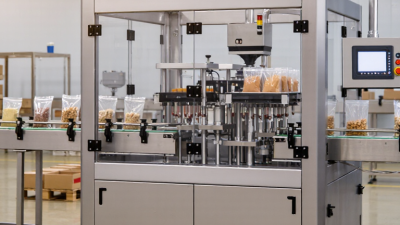
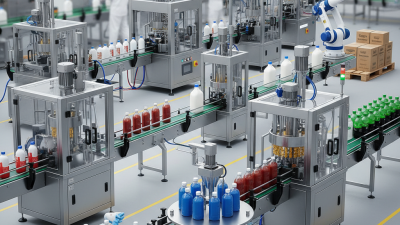
An automatic packing machine is equipment that measures, fills, seals, and labels products with limited manual handling. It commonly uses sensors, conveyors, film rollers, and programmable controls. Depending on the product, it may pack powders, granules, liquids, or solid items into bags, pouches, cartons, or containers.

In my experience, the machine works best when the product has stable weight, size, and flow. A sensor detects the package position, while a dosing unit controls the material amount. The sealing jaws then close the package under controlled heat and pressure. Small changes matter. Humidity can make powder stick. Uneven granules may affect filling accuracy. Operators should check calibration, seal strength, film tension, and emergency stops during routine inspections.

Speed is useful, but it is not the only measure of performance. A reliable packing line should reduce waste, protect the product, and allow practical cleaning. Food and pharmaceutical applications require suitable contact materials and documented sanitation procedures. Electrical parts also need proper protection in dusty or wet environments. A machine that looks efficient during a demonstration may perform differently in daily production. I have seen settings that worked well for one package size fail after a minor material change. That weakness deserves attention. Trial runs, sample checks, and clear maintenance records help reveal such problems before full-scale operation.
How to Evaluate Chinese Automatic Packing Machine Manufacturers

Evaluating Chinese automatic packing machine manufacturers requires more than comparing quoted prices. I look for practical evidence from the factory floor. Can the supplier explain the machine’s cycle time, filling accuracy, sealing temperature, and expected maintenance schedule? Ask for evidence. Request videos of similar machines running real materials, not only polished demonstrations.

A reliable manufacturer should provide clear drawings, component specifications, inspection records, and a documented factory acceptance test. Check how operators access sensors, heaters, belts, and control panels. Small design details matter during a twelve-hour production shift. The control system should display alarms clearly and record useful operating data. Verify electrical safety, guarding, and documentation against the regulations in your target market.

After-sales support often separates a capable manufacturer from a cheap supplier. Confirm response times, remote troubleshooting methods, spare-parts availability, installation guidance, and training arrangements. Speak with recent customers when possible, especially those using similar package sizes. A confident sales team is not enough. Technical staff should answer difficult questions without changing the subject. No supplier is perfect. Some specifications may change after testing, and delivery estimates can prove optimistic. Put every performance requirement into the contract, including acceptance criteria and remedies for missed results. A careful evaluation takes longer, but it reduces costly surprises after installation.

China Top 10 Automatic Packing Machine Manufacturers? - How to Evaluate Chinese Automatic Packing Machine Manufacturers

A practical, evidence-based evaluation framework for comparing automatic packing machine suppliers

Rank Evaluation Dimension Weight What to Verify Reliable Benchmark or Evidence Common Risk Signal
1 Application and Product Fit 15% Check whether the machine matches the product type, package format, dimensions, weight, moisture level, and flow characteristics. Documented test results using the buyer’s own product and packaging materials. Only generic demonstrations with substitute products.
2 Verified Production Capacity 14% Compare stated speed with actual output, product feeding stability, changeover time, and operating conditions. Factory acceptance test showing sustained output, reject rate, and operating hours. Rated speed is provided without product or package conditions.
3 Packaging Accuracy and Seal Quality 13% Evaluate fill-weight accuracy, seal strength, seal appearance, leakage performance, and package consistency. Statistical test records, sample packages, seal-strength tests, and agreed quality limits. No defined acceptance criteria for finished packages.
4 Machine Construction and Hygiene 11% Inspect frame rigidity, accessible surfaces, guarding, drainage, cleanability, and material selection for the application. Detailed drawings, material certificates, risk assessment, and hygienic design inspection. Unsealed hollow sections, difficult-to-clean areas, or unclear material specifications.
5 Automation and Control System 10% Review PLC, HMI, sensors, servo control, recipe management, alarms, data access, and integration capability. Functional specification, control-system list, wiring diagrams, and live HMI demonstration. Unidentified control components or restricted access to machine parameters.
6 Compliance and Safety Documentation 10% Confirm applicable electrical, machinery, guarding, emergency-stop, and documentation requirements for the destination market. Risk assessment, electrical schematics, user manual, declaration documents, and inspection records. Compliance claims without supporting technical documentation.
7 Customization and Line Integration 9% Assess compatibility with conveyors, feeders, checkweighers, metal detectors, case packers, and existing production controls. Layout drawings, interface lists, communication protocols, and integration responsibility matrix. Important integration work is excluded from the quotation.
8 After-Sales Service and Spare Parts 8% Evaluate installation support, remote diagnostics, response times, training, warranty terms, and spare-parts availability. Service-level agreement, spare-parts list, support contacts, and written warranty conditions. No defined response time or replacement-parts commitment.
9 Total Cost of Ownership 6% Compare purchase price, utilities, consumables, maintenance, labor, downtime, shipping, installation, and training costs. Five-year cost model based on documented utility consumption and maintenance schedules. Lowest initial price with unclear installation or operating costs.
10 Supplier Stability and Delivery Control 4% Review manufacturing capability, project management, quality control, lead time, export experience, and financial reliability. Factory audit, production schedule, quality plan, reference installations, and contract milestones. Unclear production location, subcontracting arrangements, or delivery responsibilities.
Total Evaluation Weight 100% Use the same evidence requirements and scoring scale for every shortlisted supplier.
Recommended scoring method: Score each dimension from 1 to 5, multiply the score by the listed weight, and require a documented factory acceptance test before final supplier selection.

China’s Top 10 Automatic Packing Machine Manufacturers

China’s Top 10 Automatic Packing Machine Manufacturers attract buyers seeking efficient, adaptable, and cost-conscious packaging systems. Their product ranges often include vertical form-fill-seal machines, premade pouch equipment, cartoners, case packers, and weighing systems. These manufacturers serve food, beverage, pharmaceutical, chemical, and household product industries through different levels of automation.

A reliable evaluation should examine engineering depth, factory testing, and after-sales support. Ask whether each manufacturer provides material trials using your actual film, product, and filling weight. Watch the sealing jaws operate. Check whether the touchscreen records alarms clearly. Strong suppliers usually offer stainless-steel frames, servo-driven controls, accurate sensors, and replaceable wearing parts. They should also provide wiring diagrams, operating manuals, installation guidance, and operator training. Certifications matter, but practical test records matter more.

No shortlist is perfect. Some factories communicate well but struggle with complex integration. Others build fast machines but offer weak documentation. This is where buyer experience becomes important. Confirm cycle speed under real production conditions, not only empty-machine demonstrations. Review spare-part availability, response times, and remote troubleshooting procedures. A careful comparison of China’s top 10 automatic packing machine manufacturers should include total operating cost, cleaning time, safety design, and future upgrade options. Small details matter, especially inconsistent bag length or unstable sealing temperature. The cheapest quotation may become expensive after repeated adjustments.

Key Technologies and Applications in Automatic Packaging

China’s automatic packing machine sector is shaped by practical technologies, not speed alone. PMMI’s 2024 State of the U.S. Packaging Machinery Industry reported approximately 11.3 billion dollars in machinery shipments during 2023. This demand reflects food, beverage, pharmaceutical, and personal-care production. Automatic systems now combine servo motors, machine vision, PLC control, and digital weighing. These technologies improve filling accuracy and reduce material waste. Small errors still matter.

On a modern line, vision cameras inspect seals while sensors monitor film tension and product levels. Servo-driven jaws then adjust timing without stopping the conveyor. The International Federation of Robotics recorded 541,302 industrial robot installations worldwide in 2023. Packaging applications benefit from this growth, especially for case packing, palletizing, and repetitive pick-and-place work. However, automation is not automatically better. Poor changeover design can create long delays between products.

Strong manufacturers focus on hygienic frames, accessible controls, remote diagnostics, and stable performance under dust or humidity. They also design machines for recyclable films and lighter packaging materials. Operators need clear alarms, not complicated screens. Energy meters should be built into the system. A 2023 Smithers packaging sustainability analysis emphasized efficiency, lightweighting, and recyclability as major industry pressures. The difficult question remains practical: can a machine protect quality while remaining easy to clean, maintain, and reconfigure? Many specifications look impressive on paper. Factory trials reveal more.

How to Select the Right Chinese Packaging Machine Supplier

China Top 10 Automatic Packing Machine Manufacturers?

How to Select the Right Chinese Packaging Machine Supplier

Selecting a Chinese packaging machine supplier requires more than comparing online prices. Visit the factory when possible, or request a live video inspection. Check machining areas, assembly lines, testing equipment, and finished-machine storage. A clean workshop does not prove everything. However, poor organization can reveal weak process control. Ask for recent customer references in your industry and verify their operating conditions.

Define your product before discussing machine models. Share package dimensions, material type, target speed, sealing temperature, and expected daily output. Request a trial using your actual products and packaging film. Watch for unstable feeding, wrinkled film, inaccurate weighing, or frequent alarm resets. The test should record speed, waste rate, sealing strength, and changeover time. Small details matter.

Review technical documents carefully. A reliable supplier should provide electrical diagrams, maintenance schedules, spare-parts lists, and operator training plans. Confirm which components are locally available and which require overseas delivery. Ask about warranty coverage, remote support, installation, and response times. Written commitments are safer than friendly promises. Do not ignore payment terms, inspection rights, or delivery penalties.

I once focused too heavily on machine price. That decision created extra training costs later. A cheaper quotation may exclude sensors, tooling, or commissioning. Compare the full operating cost instead. Supplier evaluation is not perfect, but a documented trial and clear contract reduce avoidable surprises.

China Top 10 Automatic Packing Machine Manufacturers? - How to Select the Right Chinese Packaging Machine Supplier

A practical supplier-evaluation scorecard for automatic packaging machine procurement. The percentages represent recommended purchasing priorities rather than rankings of individual companies; together, they total 100%.

Prioritize compliance, equipment performance, after-sales support, and total cost of ownership. Before placing an order, verify certifications, conduct a sample-packaging test, review references, and confirm spare-parts and service response procedures.

Shopping cart