Top 10 Powder Filling Machines for Global Buyers
Powder products can look alike on a shelf, yet their filling behavior varies widely. Fine flour may create dust, while protein blends can bridge inside a hopper. These differences affect accuracy, hygiene, line speed, and operator workload. A suitable powder filling machine must match the product, container, and production target—not just the purchase budget.
Industry reports help frame those choices. PMMI’s 2024 State of the Industry report discusses automation, workforce pressures, and operational efficiency across packaging. Grand View Research’s packaging machinery market analysis tracks demand across sectors such as food, pharmaceuticals, and personal care. Neither report selects a machine for a specific factory. But both point buyers toward practical questions: Can the line maintain consistent fills? Is changeover manageable? Can local technicians service the equipment?
Small details matter. A valve that handles free-flowing powder may struggle with a sticky blend. A fast auger can still waste product if dosing is inconsistent. This guide compares ten machines through their filling methods, capacity considerations, controls, and service needs. It also considers regional support, documentation, and the realities of installation. Those details are easy to underweight in a catalog. I would not treat any ranking as universal; product trials and factory conditions can change the result. Use the shortlist as a starting point, then verify performance with your own powder, container, and required fill range.
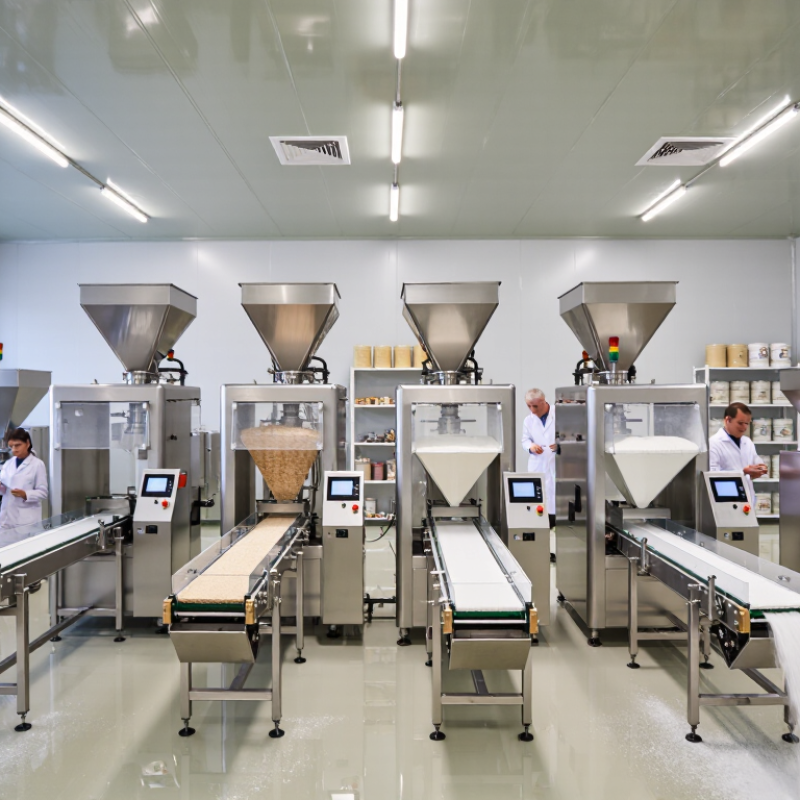
Powder Filling Machines: Purpose, Scope, and Main Categories
Powder filling machines meter dry products into bags, jars, cans, or sachets. They help control dose consistency, dust, spillage, and line speed. The right machine depends on the powder: fine flour, protein blends, and granular drink mixes flow differently. Humidity and particle size can change filling behavior, too.
Grand View Research estimated the global packaging machinery market at USD 45.5 billion in 2022, with a projected 5.3% compound annual growth rate from 2023 to 2030. This covers packaging machinery broadly, not powder fillers alone. That distinction matters. It signals a growing equipment sector, but does not predict demand for any specific filling format.
Common categories include auger fillers for cohesive or fine powders, volumetric cup fillers for more free-flowing products, and net-weight systems for weight-based dosing. Some lines combine filling with dust extraction, checkweighing, and sealing. Buyers should test with their actual powder and package. A clean demo is not enough. A single-material trial can mislead; blends, humidity, and operator adjustments may alter results. Check dose variation, changeover time, cleaning access, and dust control before comparing machine speeds.
How Powder Filling Systems Measure and Dispense Products
Powder filling systems measure product by volume, weight, or a combination of both. Auger fillers meter powder through rotating screws; their output depends on screw speed, fill depth, and powder flow. That flow can change when humidity, particle size, or bulk density shifts. Small changes matter. USP General Chapter <616> describes a 100-gram test portion for its cylinder method of measuring bulk density. This helps operators compare incoming powder lots before adjusting a filler. It does not predict every production run, though. Powder can settle differently inside a hopper than inside a test cylinder.
Gravimetric systems use load cells to measure each dose by weight, while volumetric systems rely on repeatable fill volume. NIST Handbook 44 provides testing and tolerance requirements for commercial weighing devices, a useful reference when checking scale performance. During a trial, weigh at least 30 consecutive fills and record the average, range, and standard deviation. Watch the powder fall: a dusty plume, a bridging arch, or uneven screw loading can explain drift that a screen alone misses. No setting fixes every material. That is easy to forget. Operators should retest after changing a powder lot, cleaning the hopper, or altering line speed, then document what changed and what did not.
Key Factors Global Buyers Should Compare Before Purchasing
When comparing powder filling machines, start with the product, not the advertised speed. Fine flour, coarse granules, and dusty blends behave differently in a hopper. Ask suppliers to run trials with your own powder and packaging. Record fill accuracy across repeated cycles, not just one successful sample. Small details matter.
Check whether the dosing system suits your product. Auger fillers can handle many powders, while cup or weigh-based systems may better fit other flow characteristics. Request results at your target pack size and production rate. A high-speed rating can mislead if the machine needs frequent pauses to settle dust or correct underfills. That happens. Compare changeover time, tool-free access, and how easily operators can clean product-contact parts. Ask for material specifications and clear cleaning instructions, especially when switching between different products.
Also assess the full line, including bag presentation, sealing, dust collection, and controls. Confirm that the machine fits your available floor space, electrical supply, and compressed-air capacity. Review spare-parts availability, training, and remote support in your region. These practical details can matter more than a polished demonstration. It is easy to overlook maintenance until production stops; ask for a realistic service schedule and typical wear-part costs. Request written acceptance criteria before purchase, then verify them during factory or site testing.
Ten Powder Filling Machines for Different Production Needs
Powder filling machines suit different batch sizes, containers, and material behaviors.
A manual auger filler works for trials or short runs, though output depends heavily on the operator. A semi-automatic auger machine suits small factories filling jars by hand. An automatic single-head auger filler handles steady container lines with controlled dosing. A net-weight auger filler checks each dose on a scale, useful when fill accuracy matters. Volumetric cup fillers can serve free-flowing powders, but changes in bulk density may affect the delivered weight.
Test with your actual powder.
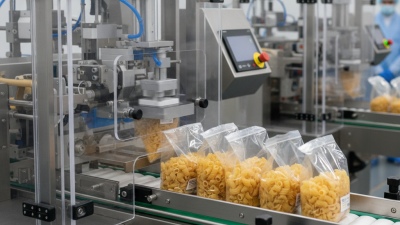
For higher output, a twin-head auger filler can fill two containers at once, while a multi-lane sachet machine makes small portions for sampling or single-use packs. An auger-based form-fill-seal machine creates bags from film and fills them in one line. Bottle and canister fillers suit rigid containers, especially when dust control and clean changeovers matter. Open-mouth bagging machines handle larger sacks and often need room for operators to position bags.
A neat brochure speed is not a production guarantee.
Powder flow, humidity, particle size, and refill timing can change performance. I would compare machines using a product trial, real containers, and the intended shift pattern; buyers sometimes underestimate cleaning time.
Installation, Validation, and Maintenance Across Markets
For global buyers, a powder filling machine is only as dependable as its installation. Before shipment, confirm floor space, power supply, compressed-air quality, dust extraction, and cleaning access. Compare these details with the production room, not just the equipment drawing. A few centimeters matter. Local voltage, plug standards, and language requirements can also affect commissioning. Request wiring diagrams, utility ranges, and clear operating instructions in the site team’s working language.
Validation should reflect both the powder and the package. Record fill-weight results during startup, steady operation, and restart after a pause. Check several target weights, container formats, and production speeds. Fine powders may bridge or cling; a free-flowing sample can behave differently after transport or humidity changes. Set acceptance limits before testing, and retain the raw data. Do not rely on one successful run. It is tempting, but weak evidence.
Maintenance plans must fit local skills and parts availability. Define routine checks for augers, seals, sensors, filters, and guarding. Specify intervals and safe isolation steps. Keep critical wear parts on site when lead times are uncertain. Train operators to notice weight drift, unusual noise, or dust near connections. These clues are small. They matter. Keep dated service records, including replaced parts and adjustments, so recurring faults become visible. Requirements differ by market, so qualified local teams should review installation and validation documents. No checklist catches everything; revise procedures when production reveals gaps.