
China Top 10 Mineral Bags Suppliers for Global Buyers

Choosing a reliable Mineral Bags Supplier is a practical decision for global buyers. Mineral products may be dense, abrasive, dusty, or sensitive to moisture. Their bags must survive filling, stacking, transport, and warehouse handling.

Packaging educator Walter Soroka offers a useful principle: “Packaging is a system, not simply a container.” This idea shapes our review of China’s top mineral bag suppliers. We examine material selection, bag construction, printing quality, production capacity, and export experience. We also consider liner options, valve performance, stitching strength, pallet stability, and protection against humidity. Small details matter.

The right supplier should provide clear specifications, consistent samples, quality records, and responsive communication. Buyers should request test data before placing large orders. Factory images help, but they do not replace independent inspection. That is worth remembering.

This guide compares suppliers serving cement, gypsum, calcium carbonate, silica, bentonite, and other mineral industries. Some manufacturers may appear strong on price but weaker on customization or after-sales support. Others may offer advanced bags but require higher minimum order quantities. These differences can affect the real landed cost.

Our assessment follows an experience-based and evidence-focused approach. It does not treat every supplier as equally suitable. Product density, filling equipment, destination climate, and shipping method can change the best choice. Buyers should verify current certifications and technical claims directly with each company. A carefully selected Mineral Bags Supplier can reduce product loss, improve handling safety, and support dependable international delivery.
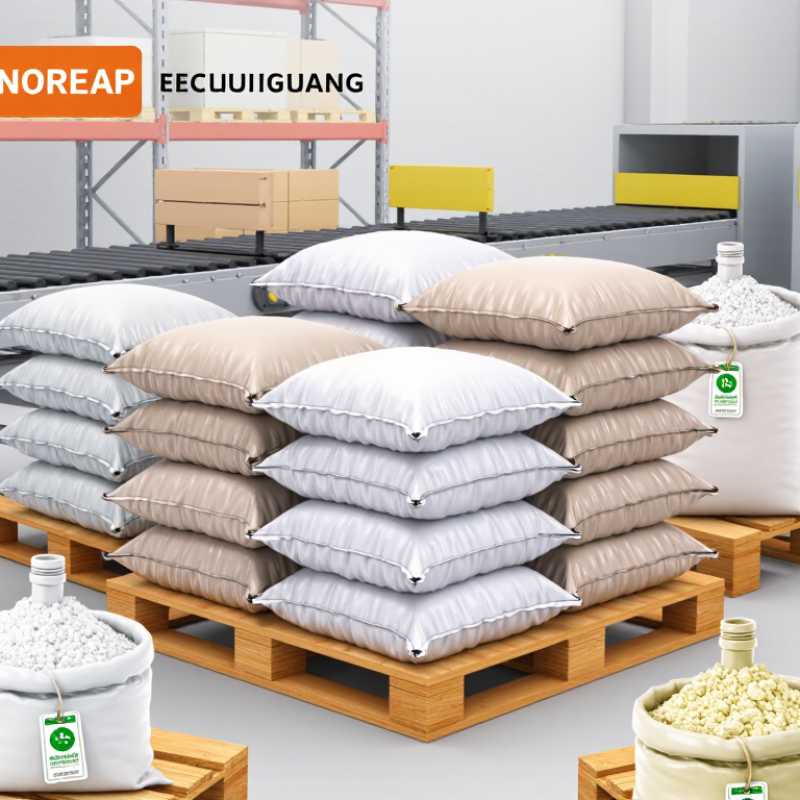
China Top 10 Mineral Bags Suppliers for Global Buyers

What Are Mineral Bags and Why Do Global Buyers Need Them?

Mineral bags are industrial packaging designed for powders, granules, and small mineral particles. Common materials include woven polypropylene, kraft paper, and polyethylene liners. They may hold calcium carbonate, bentonite, silica sand, or similar materials in 25-kilogram or 50-kilogram quantities. The right structure depends on density, moisture sensitivity, filling equipment, and transport distance.

Global buyers need these bags because mineral products are often heavy, abrasive, and dusty. Weak seams can split during pallet handling. Poor moisture protection can cause clumping before the shipment reaches the customer. A suitable bag may include reinforced stitching, a sealed inner liner, and a valve opening for faster filling. Buyers should request drop tests, compression tests, fabric weight, and loading samples before placing a large order. Factory inspection also matters. Photos alone are not enough.

China has extensive packaging production capacity, but quality can vary between suppliers. An experienced buyer should compare actual samples, not only price sheets. Check printing accuracy, liner thickness, seam strength, and batch consistency. A bag that works for dry warehouse storage may fail during humid sea transport. No design is perfect. Sometimes a thicker liner creates better protection but reduces packing efficiency. Clear specifications, independent testing, and traceable production records help buyers make a safer decision. Supplier communication still needs careful review. Small wording differences can change the final bag.

Key Features and Applications of Mineral Bags

Mineral bags must control dust, moisture, and handling stress from filling to final use. The USGS Mineral Commodity Summaries 2024 estimates global cement production at about 4.1 billion metric tons in 2023. That scale keeps demand high for reliable sacks. Common designs include multiwall paper, woven polypropylene, and laminated structures. Each option serves different storage conditions.

A mineral bag needs strong seams and consistent valve performance. Moisture barriers protect cement, gypsum, lime, and calcium carbonate from early hardening. For fine powders, controlled porosity can support faster filling and reduce airborne dust. Woven formats offer useful puncture resistance during pallet movement. Larger bulk bags suit industrial transfer and silo charging. According to Smithers’ paper packaging market research, lightweighting and material efficiency remain major packaging trends. Less material can reduce freight emissions, but it may lower tear resistance. That trade-off deserves testing.

Practical evaluation should include drop tests, compression tests, seal checks, and warehouse trials. A bag that looks strong can still fail at a sharp pallet edge. Printing also matters, since clear handling instructions reduce loading mistakes. The World Bank’s Logistics Performance Index 2023 highlights the importance of dependable transport and shipment handling. Mineral packaging therefore needs more than a low purchase price. Humidity, filling speed, stacking height, and transport distance should shape the specification. No design is perfect. Some suppliers still rely too heavily on laboratory results, while real warehouses are rougher.

How to Evaluate Mineral Bag Suppliers in China

How to Evaluate Mineral Bag Suppliers in China

Evaluating mineral bag suppliers requires more than comparing unit prices. Start by checking whether the supplier operates a factory or represents another producer. Request business credentials, production photos, equipment details, and recent audit records. Details matter. A reliable supplier should explain fabric weight, tensile strength, seam performance, moisture resistance, and liner options clearly. Ask for evidence.

Mineral bags often face sharp particles, heavy filling, dust, and long warehouse storage. Request samples filled with your actual material, not only empty bags. Check lifting loops, stitching, valve design, pallet stability, and bag dimensions during a controlled trial. Independent laboratory reports can support claims about strength, UV resistance, and material composition. Confirm that testing matches your destination-market packaging requirements.

Traceability also deserves attention. Ask for batch numbers, raw-material records, inspection procedures, and a corrective-action process. Discuss minimum order quantities, production capacity, lead times, spare stock, and communication during delays. A supplier may provide attractive samples but struggle with repeated shipments. That risk is easy to miss. I would begin with a small trial order and inspect several production batches before making a long-term commitment. Payment terms and written specifications should match the approved sample. Vague promises are not proof of capability.

China’s Top 10 Mineral Bag Suppliers for Global Buyers

China’s Top 10 Mineral Bag Suppliers for Global Buyers should be judged by performance, not factory size alone. Reliable suppliers usually offer woven polypropylene bags, kraft paper sacks, and moisture-resistant liners for cement, gypsum, salt, and industrial minerals. Buyers should check load capacity, seam strength, valve design, and printing accuracy. A practical sample test can reveal weak stitching or powder leakage before a large order.

The strongest suppliers normally provide clear specifications, production photos, inspection records, and export documentation. Ask about 25-kilogram and 50-kilogram formats, pallet loading, container efficiency, and storage conditions. Experienced teams should explain how their bags perform in humid warehouses and during long-distance transport. Still, no supplier is perfect. A polished website cannot replace independent quality checks.

Tips: Request samples from several shortlisted suppliers. Fill and drop-test each bag safely. Measure leakage, stacking stability, and liner fit. Confirm material details in writing. A third-party inspection may cost more, but it can prevent expensive rework. Also review communication speed, because delayed answers often signal future production problems.

China Top 10 Mineral Bags Suppliers for Global Buyers

An anonymized comparison of China-based mineral packaging supplier profiles for international sourcing and qualification.

Rank Supplier Profile Typical Manufacturing Cluster Primary Mineral Bag Formats Common Construction Typical Mineral Applications Key Technical Options Relevant Buyer Verification
1 Supplier Profile A Jiangsu and Zhejiang FIBC bulk bags Valve sacks Woven polypropylene fabric with optional polyethylene liner Cement, limestone powder, calcium carbonate, silica sand Coated fabric, sift-proof seams, filling and discharge spouts, four corner loops ISO 21898 specification review; seam-strength report; loading test; liner compatibility check
2 Supplier Profile B Shandong and Hebei Heavy-duty FIBC Baffle bags High-strength woven PP with internal baffles for improved pallet utilization Mineral concentrates, barite, bentonite, refractory minerals U-panel or circular construction, dustproof seams, UV stabilization, flat-wall design Safe working load and safety factor confirmation; dimensional tolerance record; UV test where required
3 Supplier Profile C Fujian and Guangdong Multi-wall paper sacks Open-mouth sacks Kraft paper plies with polyethylene or polypropylene moisture barrier Tile adhesive, gypsum powder, dry mortar, cement additives Block-bottom or sewn-bottom construction, printed handling marks, moisture-resistant inner layer Paper basis-weight verification; drop test; moisture-barrier assessment; print-rub resistance
4 Supplier Profile D Anhui and Jiangsu PP woven sacks Laminated sacks Polypropylene woven fabric with BOPP or PE lamination Aggregates, quartz powder, feldspar, industrial sand Anti-slip surface, gusseted sides, custom valve, reinforced bottom, moisture protection Fabric GSM and tensile-strength test; laminate adhesion check; seam and valve inspection
5 Supplier Profile E Hunan and Hubei Conductive FIBC Antistatic bags Woven PP with conductive yarns or static-dissipative components Fine mineral powders, pigments, carbon-based minerals, combustible dust environments Type C grounding design or Type D dissipative construction, conductive labels, grounding instructions IEC 61340-4-4 test documentation; resistance measurement; grounding continuity verification
6 Supplier Profile F Shanxi and Inner Mongolia Liner-integrated FIBC Fine-powder bags Woven PP outer body with form-fit PE or aluminum-coated liner Fly ash, talc, mica, kaolin, ultra-fine mineral powders Form-fit liner, degassing option, low-permeability film, heat-sealed liner seams Liner leak test; permeability requirement; powder-flow trial; filling and discharge compatibility
7 Supplier Profile G Guangxi and Yunnan UN-style FIBC Dangerous-goods packaging Certified flexible bulk container construction selected according to cargo classification Mineral concentrates and powders classified for regulated transport UN marking configuration, coated fabric, liner, sift-proof seams, lifting-loop reinforcement Valid UN test certificate; packaging code confirmation; traceability and batch-marking review
8 Supplier Profile H Zhejiang and Jiangxi Small woven sacks Retail-ready mineral bags Laminated PP woven fabric with stitched or heat-sealed closures Decorative stone granules, landscaping minerals, filtration media, building powders Handle integration, moisture barrier, tamper-evident closure, barcode-ready print area Handle load test; package drop test; print accuracy; seal integrity and shelf-storage review
9 Supplier Profile I Hebei and Liaoning Bulk bags for dense minerals Discharge-control bags Heavy-duty woven PP with reinforced lifting and controlled discharge assemblies Iron oxide, manganese ore fines, metal powders, dense industrial minerals Higher load rating, reinforced loops, conical or iris discharge, anti-static option Safe working load calculation; lifting-loop test; discharge-cycle test; forklift handling review
10 Supplier Profile J Guangdong and Fujian Custom export sacks Mixed-format packaging Woven PP, paper, PE liner, or composite construction selected by application Mineral blends, specialty fillers, construction chemicals, processed ores Custom dimensions, multilingual markings, palletization design, container-loading optimization Pre-production sample approval; packing-list accuracy; export documentation; container loading plan
Buyer note: The supplier names are intentionally omitted. Technical references include ISO 21898 for flexible intermediate bulk containers and IEC 61340-4-4 for electrostatic classification of FIBC systems. Final specifications, certifications, safe working load, material composition, and export documentation should be verified directly with each shortlisted manufacturer before purchase.

Trade, Quality, and Compliance Considerations for Importers

China Top 10 Mineral Bags Suppliers for Global Buyers

Trade, Quality, and Compliance Considerations for Importers

Selecting China’s top ten mineral bag suppliers requires more than comparing prices. UNCTAD’s Review of Maritime Transport 2024 notes that over 80% of global merchandise trade moves by sea. Therefore, buyers should confirm container loading, moisture protection, port handling, and Incoterms before signing contracts. Request production samples from the same material batch. Check the HS code, packing list, certificate of origin, and inspection terms. Small paperwork errors can delay a full shipment.

Quality should follow measurable standards, not attractive photographs. ISO 21898 covers flexible intermediate bulk containers for non-dangerous goods. Ask suppliers to report safe working load, safety factor, seam strength, drop performance, and UV resistance. Mineral dust can enter through weak stitching. Humidity can harden paper layers. A third-party laboratory should verify critical results. No scorecard is perfect. I would still prefer traceable testing over a low quotation.

Compliance now includes waste planning. The UN Environment Programme’s Global Waste Management Outlook 2024 projects municipal waste will rise from 2.3 billion tonnes in 2023 to 3.8 billion tonnes by 2050. Importers should request recycled-content evidence, material declarations, and disposal instructions. For European shipments, the Packaging and Packaging Waste Regulation entered into force in February 2025, with most provisions applying from August 2026. Suppliers should also review REACH obligations and destination-specific chemical rules. Keep audit records, corrective-action reports, and worker-safety evidence for every approved factory.

China Top 10 Mineral Bags Suppliers for Global Buyers

Trade, Quality, and Compliance Considerations for Importers

Common rated load capacities for FIBCs used in mineral, powder, and granular-material logistics typically range from 500 kg to 2,000 kg. Importers should confirm the safe working load, safety factor, lifting configuration, liner compatibility, test certificates, labeling, and destination-market requirements before selecting a supplier. These capacity bands are procurement reference points rather than rankings or performance claims for individual companies.

Shopping cart