Top 10 Best Industrial Vacuum Sealer Machines for 2026

For food processors, commercial kitchens, and small manufacturers, vacuum sealing is more than a storage convenience. The right industrial vacuum sealer machine can help protect product quality, organize inventory, and create more consistent packaging workflows. But “best” depends on the job. A butcher sealing moist cuts may need different equipment from a producer packing dry goods or prepared meals.

Chamber size, pump capacity, seal-bar length, cycle controls, and expected daily use all deserve attention. Small details matter. A machine that looks powerful on a product page may still be awkward to clean, slow to load, or expensive to maintain. This guide compares ten options for 2026 using practical considerations, not headline specifications alone. It looks at construction, operating consistency, service access, compatible bag formats, and control usability during busy shifts.

No single machine fits every facility. Some buyers may value faster cycles; others may prioritize a wider chamber, reliable seals, or straightforward cleaning. Product dimensions, moisture levels, and packaging volume can change what works best. Specifications should be checked against current manufacturer documentation, since models and included accessories may change. If performance information is limited, approach broad claims carefully and consider requesting a demonstration or sample test. That extra step may reveal a weak seal, cramped chamber, or inconvenient workflow before purchase. Use this shortlist as a starting point, then match each machine to your products, workspace, staff, and cleaning routine.

Top 10 Best Industrial Vacuum Sealer Machines for 2026

Industrial Vacuum Sealers: Chamber Design, Pump Systems, and Seal Bars

Industrial chamber sealers suit dense production because the entire pouch sits inside the chamber. The lid closes, air is removed, and the seal bar fuses the open edge. Chamber depth matters when packaging tall containers or stacked portions. Bar length sets the maximum pouch width, while chamber volume affects batch size. Grand View Research’s Vacuum Packaging Market report estimated the global market at about $29.6 billion in 2023, with projected annual growth of 4.5% through 2030. That figure covers many packaging formats, not just industrial machines. Still, it signals why dependable, repeatable sealing matters. Small detail, big effect.

Pump selection should match the work cycle, not just a headline vacuum rating. Compare pumping speed, achievable vacuum, duty cycle, and maintenance needs. Oil-lubricated pumps can handle demanding workloads, but oil condition and change intervals need attention. Dry pumps avoid oil changes, though they may not suit every production environment. I would not size a machine from chamber volume alone; it is an easy shortcut, and often a poor one. Seal bars deserve equal care. Wider or dual bars can support faster batches, but only if pouch material and heat settings are compatible. Check seal consistency across the full bar, especially at the corners. A clean-looking seam is not automatically a strong one. Test with actual filled pouches, then inspect seals after cooling. That practical step can reveal weak spots that showroom demonstrations miss.
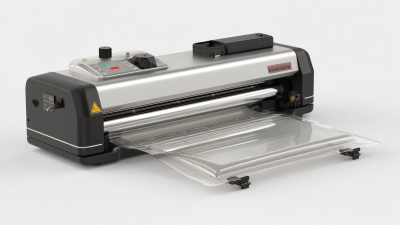
Key Performance Metrics: m³/h, mbar, Seal Length, and Cycles per Minute

A strong industrial vacuum sealer is not defined by one impressive number. Match its performance to your product, packaging, and daily workload. The m³/h rating describes pump flow, but it does not guarantee a faster finished cycle. A large chamber, long evacuation path, or moist product can slow the process. Check how the machine performs with a realistic load, not just an empty chamber.

Read the mbar specification carefully. It may describe absolute pressure, where a lower figure means a deeper vacuum, or use another convention. Confirm the measurement method before comparing models. Seal length matters too: a 400 mm bar may suit wide pouches, but it cannot compensate for an uneven seal. Test the actual pouch material and leave enough clean space around the product. Small details count.

Cycles per minute can help estimate output on a busy packing bench. Still, published rates may assume ideal loading and short cycle settings. Watch an operator load, position, seal, and remove several bags. That gives a more honest pace. Keep an eye on seal consistency and cooling time, too. A faster cycle is not always better. The comparison is imperfect, but real product trials often reveal more than a specification sheet.

Package Integrity Testing: ASTM F88/F88M and ASTM F2338 Methods

In industrial vacuum packaging, a strong-looking seal is not proof of package integrity. ASTM F88/F88M evaluates flexible-material seal strength by pulling a prepared strip apart under controlled conditions. A calibrated tensile tester records the force and failure pattern. These results help teams compare sealing temperatures, dwell times, and pressure settings. Small changes matter. A few degrees may shift a seal from clean separation to film distortion.

ASTM F2338 uses vacuum decay to detect package leaks without destroying the sample. The package sits in a sealed chamber while instruments monitor pressure changes that may indicate escaping gas. Sensitivity depends on package design, headspace, materials, and test setup. Validate the method with known-defect samples and intact controls. Not a perfect proxy. Poorly matched parameters can leave small leaks undetected.

When comparing industrial vacuum sealers for 2026, treat integrity testing as part of equipment qualification, not a brochure claim. Run F88/F88M checks using the actual pouch width and seal area, then apply F2338 where non-destructive screening suits the package. Record sample conditioning, machine settings, operator, and results. Repeat checks after maintenance or material changes. Laboratory results may not mirror a busy production line; that gap deserves review, not assumption.

Top 10 Industrial Vacuum Sealers for 2026: Specifications and Applications

Top 10 Best Industrial Vacuum Sealer Machines for 2026

Top 10 Industrial Vacuum Sealers for 2026: Specifications and Applications

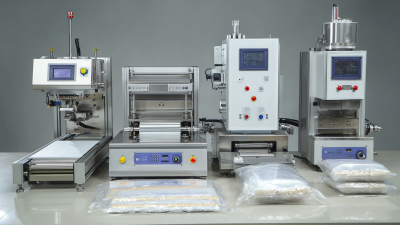
Choosing among ten common sealer types starts with the package and production target. Tabletop chamber units suit small food batches; compare chamber size, seal-bar length, and pump capacity. Floor-standing chamber models handle larger bags and longer shifts. Double-chamber machines let operators load one side while the other seals. Conveyor belt sealers support continuous packaging. Thermoforming systems shape film around products, making them useful for high-volume meat or cheese lines. Cycle speed matters, but actual output depends on loading and product handling.

For specialized needs, external-nozzle sealers work with suitable textured bags, while rotary systems can support repeatable, high-throughput cycles. Heavy-duty chamber units accommodate bulky packs. Liquid-friendly chamber designs help reduce spills when sealing moist products, though setup still matters. Gas-flush chamber sealers replace air with a chosen protective gas mixture. Compare pump flow, chamber dimensions, seal-bar configuration, compatible bag materials, and service access. Applications range from prepared foods and produce to medical supplies and industrial components. A higher pump rating is not automatically better; product shape and bag fit affect results.

Tips: Test real products before buying. Check seals for wrinkles, leaks, and trapped liquid. Ask suppliers to demonstrate the machine at your intended batch size. Record cycle times during a normal shift, not just a short trial. Specifications can look impressive on paper. They may not match your workflow.

Food-Plant Considerations: 21 CFR Part 117, Sanitation, and Package Integrity

An industrial vacuum sealer is part of a food-safety system, not a substitute for one. Under 21 CFR Part 117, covered facilities must follow current good manufacturing practices and, where applicable, implement risk-based preventive controls. That means assessing hazards linked to the product, process, and packaging—not simply buying a machine with a strong pump.

CDC estimates that foodborne illnesses cause about 48 million illnesses, 128,000 hospitalizations, and 3,000 deaths in the United States each year. Those figures come from a 2011 analysis by Scallan and colleagues; they are not specific to vacuum-packed foods.

Sanitation details matter on the line. Look for smooth, accessible surfaces and components that staff can clean without leaving residue in seams, under guards, or around the sealing bar. Check whether the machine fits the plant’s cleaning schedule and documented procedures.

A spotless exterior proves little. Staff should verify cleaning and inspect equipment before production.

Package integrity needs routine testing, too. Record seal temperature, dwell time, and vacuum settings, then check finished packs for wrinkles, channels, weak seals, or leaks. Validate settings with the actual product and film; a wet or oily seal area can change results.

A vacuum is not sterilization. It may also change the hazards that a facility must assess. No setting works for every product, and that is easy to overlook. Use documented checks and review failures before adjusting the process.

Shopping cart