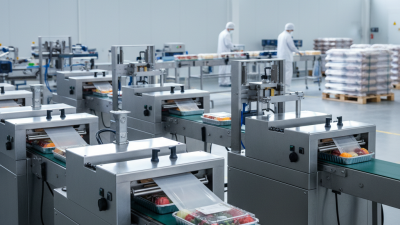
Choosing the best sachet packing machine is not simply a race for higher speed. It is a practical decision involving product accuracy, seal quality, hygiene, flexibility, and long-term service support. A machine may advertise 120 sachets per minute, yet perform poorly with humid powder, sticky granules, or thin laminate film. Real factory conditions matter more than brochure figures.
Industry reports show why this decision deserves careful evaluation. PMMI’s 2024 packaging machinery outlook highlights continued investment in automation, efficiency, and flexible production systems. Smithers’ report, The Future of Global Flexible Packaging to 2029, also identifies lightweight materials, improved barrier performance, and resource efficiency as major packaging priorities. These findings suggest that the ideal machine must handle changing materials and formats, not only one product today. It should also support accurate dosing, stable temperature control, quick changeovers, and accessible maintenance points.
Small details matter.
Operators notice them quickly. A poorly designed film path can create wrinkles, waste, and uneven seals. A difficult cleaning process can slow production and increase contamination risks. According to ISO 22000 principles, food packaging operations need controlled hygiene and traceability practices. Therefore, buyers should examine sanitation design, data recording, safety guarding, and supplier training before comparing prices. There is no universal winner. Honestly, the fastest machine may be the wrong choice for a small plant with frequent product changes. A better decision combines trial testing, production samples, lifecycle costs, and verified service records. That approach is less glamorous, but usually more reliable.
What Is the Best Sachet Packing Machine?
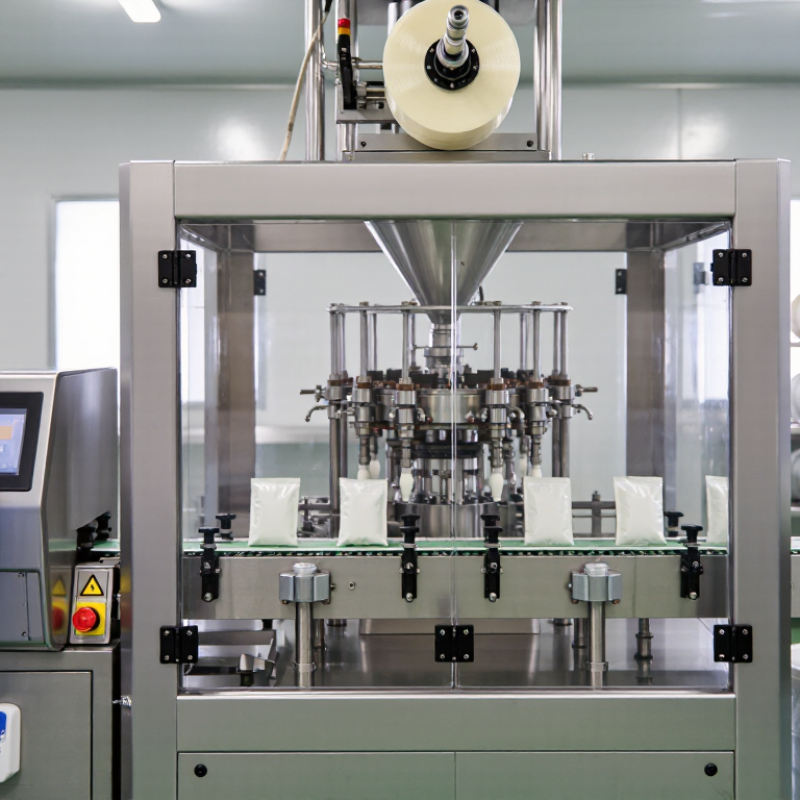
Sachet packing machines are automated systems that form, fill, seal, and cut small individual pouches. They commonly handle powders, granules, liquids, and other free-flowing materials. A typical machine unwinds packaging film, shapes it into a tube, measures the product, and creates sealed sachets at controlled intervals. The finished packs may then receive batch codes, date marks, or inspection checks.
Core functions require careful coordination. The dosing unit controls fill accuracy, while forming collars guide the film around the product. Heat-sealing jaws create the top and bottom closures. Cutting stations separate each sachet cleanly. Sensors can detect film position, missing product, or sealing problems. In practical trials, even slight powder dust can weaken a seal. That detail is easy to underestimate.
The best machine depends on product behavior, sachet size, output targets, and cleaning requirements. I would test several filling speeds before selecting equipment. A fast setting may reduce accuracy or increase film waste. Reliable evaluation should include weight checks, seal-strength tests, changeover time, and operator access. Stainless-steel contact parts, clear maintenance points, and documented calibration support safer, more consistent production. Yet no machine removes every risk. Film variation, humidity, and inconsistent material flow can still affect performance. Good equipment reduces these variables, but it does not replace skilled supervision.
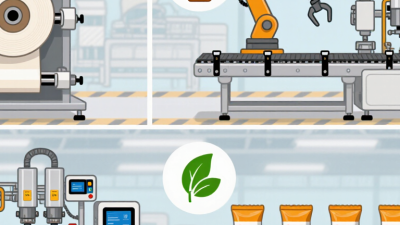
The best sachet packing machine depends on the product, package format, filling accuracy, sealing method, and required production speed. The chart shows representative non-brand operating ranges commonly used for different sachet applications.
Core functions include material feeding, product dosing, film forming, heat sealing, date coding, cutting, and finished sachet discharge. Actual output varies with sachet size, number of lanes, product characteristics, sealing temperature, and quality-control requirements.
A sachet packing machine begins with film unwinding from a controlled roll. Sensors track printed marks, keeping each sachet aligned. The film then passes through forming collars, which shape it into a tube. Product enters through a dosing system, such as an auger, piston, or multihead weigher. Powder needs stable flow. Liquid needs accurate anti-drip control.
The machine creates a longitudinal seal before forming the top and bottom seals. Heated jaws apply pressure for a fixed time. Next, knives cut individual sachets, while sensors check position and seal consistency. Modern lines may reject weak or empty packs automatically. According to the Flexible Packaging Association’s 2023 industry report, U.S. flexible packaging sales reached about 39 billion dollars in 2022, showing the scale of this format. Smithers also forecasts the global flexible packaging market could exceed 300 billion dollars by 2028.
Small details matter. Film tension that is too high can distort printed graphics. Insufficient heat can create leakage. Excessive heat may damage the seal area. Operators should verify seal strength using recognized methods such as ASTM F88. A machine can run quickly. That does not mean it packs reliably. In practice, product dust, humidity, and changing film batches often require adjustments.
The “best” machine is therefore the one that matches the product, film structure, target speed, and quality checks—not simply the fastest model.
What Is the Best Sachet Packing Machine?
Main Machine Types and Compatible Sachet Formats
Choosing the best sachet packing machine starts with the package format, not speed. In practical line evaluations, product texture often decides the machine design. Vertical form-fill-seal machines create sachets from a continuous film roll. They suit powders, granules, and many free-flowing liquids. Auger fillers handle fine powders. Volumetric fillers work better for grains and small solids. Pump systems support sauces and other viscous liquids. Sticky products can soil the sealing jaws.
Stick-pack machines produce narrow, elongated sachets with three-side or four-side seals. They fit drink powders, seasoning portions, and liquid products. Their slim shape saves shelf and shipping space, but product flow must remain stable. Flat three-side-seal machines make wider sachets for creams, wipes, and single-use powders. Four-side-seal models provide a neat rectangular appearance. Sachet width, film thickness, and tear-notch position must match the sealing unit. It is easy to overlook this.
Premade-pouch machines use prepared sachets instead of forming film onsite. They suit shaped pouches, delicate films, and products needing careful presentation. Some lines combine filling, gas flushing, sealing, coding, and inspection. Compatibility depends on pouch dimensions, opening accuracy, and filling tolerance. Test real product samples before purchase. Laboratory powder may flow perfectly, while production material bridges inside the hopper. Advertised speed also deserves scrutiny. Changeover time and rejected sachets often affect daily output more.
| Machine Type | Typical Sachet Formats | Suitable Products | Typical Output Range | Main Advantages | Key Considerations |
|---|---|---|---|---|---|
| Vertical Form-Fill-Seal Machine | Three-side seal, four-side seal, stick pack, and center-seal pillow sachet | Powders, granules, free-flowing liquids, pastes, and small solid products | Approximately 30–120 sachets per minute, depending on lanes and product | Compact footprint, flexible dosing options, and broad product compatibility | Film properties, product flow, sealing temperature, and dosing accuracy must be controlled |
| Multi-Lane Stick Pack Machine | Long, narrow stick packs with three-side or four-side seals | Sugar, salt, instant coffee, drink powders, sauces, gels, and liquid supplements | Approximately 300–2,000 stick packs per minute, depending on the number of lanes | High throughput, convenient single-serve format, and efficient film usage | Less suitable for frequent size changes; lane synchronization and dosing consistency are important |
| Horizontal Form-Fill-Seal Machine | Flat sachets, three-side seal pouches, four-side seal pouches, and small pillow packs | Preformed solids, wet wipes, medical items, confectionery, and fragile products | Approximately 40–200 packs per minute | Handles delicate or irregular products and supports easy product loading | Usually requires more floor space and may need product-specific feeding systems |
| Liquid and Paste Sachet Machine | Three-side seal, four-side seal, and stick sachets | Ketchup, mayonnaise, shampoo, hand sanitizer, honey, creams, and liquid medicines | Approximately 30–150 sachets per minute | Accurate volumetric dosing and clean, sealed single-use packaging | The pump, piston, or servo filler must match viscosity, temperature, and particle content |
| Powder Sachet Machine | Three-side seal, four-side seal, center-seal pillow, and stick packs | Flour, spices, milk powder, pharmaceutical powders, detergents, and nutritional powders | Approximately 30–100 sachets per minute | Suitable for controlled powder dosing and hygienic single-serve packaging | Dust control, auger calibration, powder bridging, and electrostatic behavior affect performance |
| Granule and Small-Particle Sachet Machine | Pillow sachets, four-side seal sachets, and small stick packs | Rice, seeds, tea, spices, pet treats, candy, and small hardware items | Approximately 20–100 sachets per minute | Works well with measured free-flowing particles and supports multiple weighing systems | Product size, density, shape, and impact sensitivity determine the best feeder and scale |
| Premade Pouch Sachet Machine | Three-side seal, four-side seal, flat pouch, zipper pouch, and spouted pouch | Liquids, pastes, powders, granules, and products requiring special pouch structures | Approximately 20–80 pouches per minute | Fast format changes, attractive pouch designs, and compatibility with preprinted packaging | Higher pouch and handling costs; pouch dimensions and opening quality must be consistent |
| Automatic Sachet Cartoning or Bundling Line | Individual sachets grouped into bundles, cartons, or multipacks | Retail multipacks, pharmaceutical sachets, condiment sets, and promotional sample packs | Approximately 30–150 groups per minute | Reduces manual secondary packaging and improves counting and presentation | Requires stable upstream sachet production and accurate counting, collating, and carton handling |
Note: Output figures are typical planning ranges. Actual performance depends on product characteristics, sachet dimensions, filling volume, film structure, sealing method, number of lanes, and operator settings.
The best sachet packing machine depends on the product, film, and required output. Powder, liquid, and granule products need different filling systems. Auger fillers suit many powders, while piston fillers handle liquids with better volume control. Granules often require accurate volumetric cups. Speed is not everything.
Compare the machine’s dosing accuracy, sealing stability, and changeover time. A machine running at 120 sachets per minute may waste more material if seals fail. Check the sealing temperature range, pressure adjustment, and film tracking system. Test the seal. A clear, even seal should remain intact after gentle squeezing. Sensors should detect empty sachets, film breaks, and incorrect registration marks.
Hygiene and maintenance also deserve close attention. Product-contact parts should be easy to remove, inspect, and clean. Stainless steel construction helps, but it does not replace proper cleaning procedures. Ask for actual test results using your product and packaging film. During trials, measure fill weight variation, leak rates, film consumption, and time needed for format changes. Small details matter. A poorly positioned sensor can cause repeated stops. An attractive control screen cannot fix unstable powder flow. Energy use, spare-part access, operator training, and technical support should be included in the comparison. No machine is perfect, and early testing may reveal limitations that brochures overlook.
Selecting the best sachet packing machine starts with your product, not the machine’s advertised speed. In practice, powder, liquid, and granular products behave differently during filling. Fine powder may create dust, while thick liquid can leave residue around the sealing area. I recommend testing your actual product before making a purchase. Small details matter.
Define the sachet size, filling range, film type, and required output. A machine rated for high speed may perform poorly with frequent size changes. Ask for a sample trial using your material and packaging film. Watch the filling accuracy, seal appearance, film tracking, and rejected sachets. Check how quickly operators can change settings. A complicated changeover can quietly reduce daily production. Speed alone misleads.
Reliability depends on practical maintenance. Choose a machine with accessible sealing parts, clear operating controls, and available technical support. Ask how routine cleaning is completed and how often key components need replacement. Digital records can help track errors, material waste, and production consistency. Request documented testing results rather than accepting broad promises. I would also inspect the machine’s guarding and emergency functions during a site visit. The cheapest option may become expensive when downtime, training, and spare parts are included. A perfect machine rarely exists, so leave room for improvements after real production begins.
Accutek Packaging Equipment Companies, Inc. stands as one of the premier privately owned packaging machinery manufacturers in the United States.

Sign up for all the news about our latest arrivals