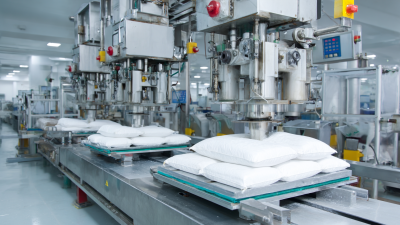
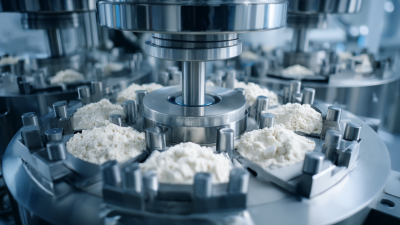
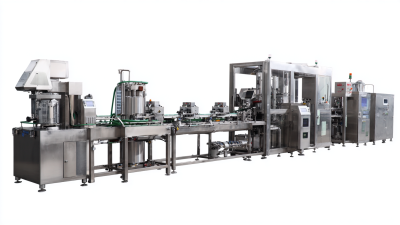
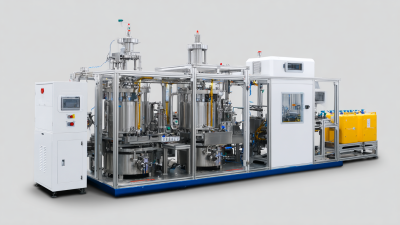
A powder packaging machine turns loose, dusty material into measured, sealed packs. It may handle flour, protein powder, spices, or powdered drink mixes. The equipment can look simple from the outside. Inside, a hopper feeds product toward a dosing system, while sensors and controls help manage each fill. A packaging film forms a pouch, or a separate container arrives ready for filling. Small details matter: powder can bridge in the hopper, cling to surfaces, or settle unevenly. The machine must account for those behaviors.
Packaging educator Walter Soroka, author of Fundamentals of Packaging Technology, is a relevant voice on packaging design. The following line is an editorial summary, not a verified verbatim quotation: “Reliable powder filling starts with matching the product, dose, and package.” That principle is practical. A free-flowing powder behaves differently from a fine, dusty blend, so one machine setup may not suit every product. Operators often adjust auger speed, fill time, and vibration, then check sample weights and seals. A small adjustment can change the result.
This guide explains what a powder packaging machine is and how its main parts work together. It also looks at common machine types, filling methods, and selection considerations. Expect concrete examples, not perfect promises. Real production involves trade-offs: speed, accuracy, cleanup time, and package format can pull in different directions. Understanding those limits helps teams ask better questions before choosing equipment.
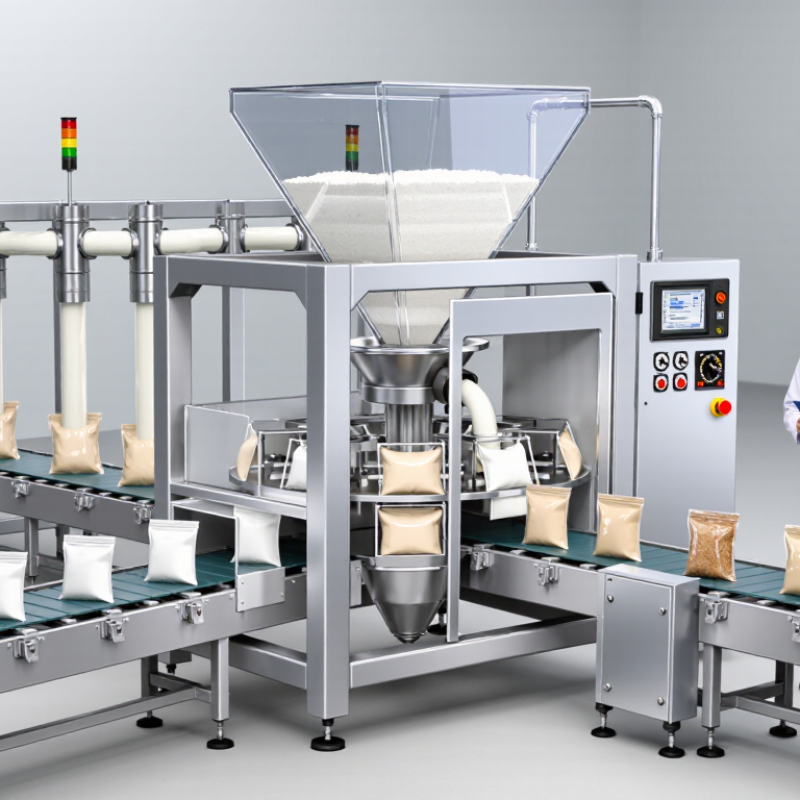
A powder packaging machine measures and fills dry, free-flowing or fine materials into bags, sachets, jars, or other containers. It may use an auger, a cup, or a weighing system to control each dose. The right method depends on the powder’s density, texture, and tendency to settle or cling. Small differences matter.
These machines are used for products such as flour, powdered drink mixes, spices, detergents, and some construction materials. A bakery might package flour into one-kilogram bags, while a food producer may fill small sachets with seasoning. The machine can form a pouch from roll film, fill a premade bag, or dose powder into a container. Many systems also seal the package and print a date or batch code.
Operators usually set the target fill amount, adjust the feed rate, and check sample packages against a scale. Dust extraction and careful cleaning help limit airborne powder and reduce cross-contamination between products. Still, powder does not always behave consistently. Humidity can change flow, and a little residue on the filling parts can affect accuracy. A machine specification alone cannot guarantee a good result; trials with the actual product and packaging are useful before choosing a setup.
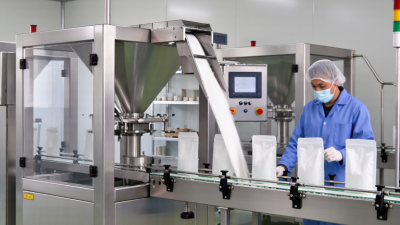
A powder packaging machine moves measured quantities of product into bags, pouches, or containers. Its parts work together, but the exact layout depends on the powder and package. Fine flour behaves differently from coarse granules, so setup matters.
The hopper holds powder above the filling area. An agitator may gently stir it to reduce bridging, when powder sticks together and stops flowing. Below the hopper, a dosing screw, or auger, turns a set distance to deliver a measured amount. Small parts matter. The screw size and speed affect fill accuracy, especially when the powder’s density changes. A motor drives the screw, while sensors can detect package position or low product levels. These controls help keep the cycle consistent, though they cannot correct every variation in the powder itself.
At the filling station, a forming tube guides film into a bag, or a nozzle directs powder into a ready-made container. Sealing jaws close the package with heat; their temperature and contact time need careful adjustment. A control panel lets an operator set fill weight, speed, and seal settings. Guards and a sturdy frame support safer, steadier operation. In practice, a clean-looking machine can still produce uneven fills if powder clings inside the hopper. Regular checks help, but the best settings may take a few test runs to find.
Main components of a typical auger-filling system, shown in operating sequence.
How it works: Powder moves from the hopper to the dosing auger, which meters it through the filling nozzle into a bag held by the clamp. The filled package then moves to the sealing unit. The chart numbers show sequence only, not time or performance; machine layouts vary.
A powder packaging machine measures each dose before releasing it into a pouch, jar, or sachet.
The measurement method depends on the product and target weight. Auger fillers use a rotating screw to move powder through a tube. Each revolution delivers an estimated volume, then a calibrated scale checks the weight. Volumetric cups work differently: a cup fills, levels, and empties into the package. They are quick, but changing powder density can shift the dose. Powders do not behave like liquids.
Operators usually test samples, adjust fill settings, and check weights during production. A useful reference is NIST Handbook 44 (2024), which gives Class III scale acceptance tolerances of 0.5 scale divisions up to 500 divisions, 1.0 from 500 to 2,000, and 1.5 above 2,000. These are benchmarks for applicable commercial scales, not a universal filler specification.
The distinction matters.
A powder’s moisture, particle size, and settling can change how much fits in a screw or cup. In practice, a small stream of powder may cling to a funnel wall, so the displayed reading alone can miss a real dosing issue.
Record sample weights, check the scale, and inspect the discharge path. Even careful settings need review.
A powder packaging machine measures loose product and places it into bags, pouches, or containers. The cycle starts when packaging material is positioned beneath the filling head. A sensor or operator confirms its position, then a dosing system releases a set amount of powder. Many machines use an auger, whose rotating screw moves product from the hopper into the package. The dose depends on settings and powder behavior, including density and flow.
After filling, the package may settle briefly so powder can drop below the opening. Some systems remove excess air or gently vibrate the package; these steps depend on the product and package design. Sealing jaws then close the opening, often using controlled heat and pressure. A sensor can check seal temperature or package presence, but routine visual checks still matter. Small details matter. Fine powder on the seal area can weaken the closure, even when the rest of the cycle looks correct.
Tips: Keep the hopper supply steady, and test settings with the actual powder and packaging material. Check sample weights and inspect seals at the start of a run and after adjustments. Clean contact areas as instructed, since residue can affect both dosing and sealing. A neat cycle on paper may still need tuning on the floor; powders do not always flow consistently.
Powder packaging machines are selected by how a product flows, how much each pack must hold, and the package format. An auger filler uses a rotating screw to move measured powder into a pouch, jar, or container. It often suits fine or cohesive materials that do not pour evenly. Operators may adjust screw speed and fill time to limit dust and weight variation. Small changes matter.
A vertical form-fill-seal machine forms a bag from roll film, fills it, then seals it. It works well for powders packed in repeated bag sizes, such as drink mixes or flour. Premade-pouch machines fill and seal bags that already have their shape; they can suit products sold in stand-up pouches. For free-flowing granules, a volumetric cup or multihead weigher may offer faster dosing, though very fine powders can bridge or scatter. The fit depends on the material.
Some lines pair a filler with a checkweigher, dust-control hood, or nitrogen-flush station, depending on product needs. These additions do not fix poor feeding. A powder’s bulk density, moisture, and particle size can shift during production, so test runs with the actual material are valuable. Watch the fill stream and inspect seals, not just the machine display. Real powders can be stubborn. Even a well-chosen machine needs cleaning access and settings that staff can repeat between batches.
| Machine type | How it works | Common powder applications | Typical package formats | Key considerations |
|---|---|---|---|---|
| Auger filler | A rotating screw moves a measured volume of powder from a hopper into a container. The dose is commonly controlled by screw rotations, with weight feedback available on some systems. | Flour, spices, protein powders, powdered drink mixes, and some pharmaceutical powders. | Bottles, jars, cans, bags, and pouches. | Often suited to fine or dusty powders. Product flow, bulk density, and screw design affect fill consistency. |
| Volumetric cup filler | A cup or cavity fills with powder and then releases a set volume into each package. | Free-flowing powders and granulated products, such as some dry mixes and seasonings. | Bags, pouches, and other preformed containers. | Simple and fast for products with consistent flow and bulk density; the amount by weight can vary if density changes. |
| Net-weigh filler | Powder is fed into a weigh hopper until a target weight is reached, then discharged into the package. Some systems use coarse and fine feeding for more controlled dosing. | Powders sold by a specified net weight, including food ingredients, chemicals, and minerals. | Bags, sacks, drums, and rigid containers. | Provides direct weight-based dosing. Product flow, dust control, and the required weighing range influence system setup. |
| Vertical form-fill-seal (VFFS) machine with powder filler | A film roll is formed into a tube, filled with a measured powder dose, and sealed to create individual packages. | Food powders, powdered beverages, seasonings, and household products. | Pillow bags, gusseted bags, and block-bottom bags. | Combines bag forming and filling in one line. Film properties, sealing conditions, and dust at the seal area need attention. |
| Premade pouch filling machine | An empty pouch is opened, filled through its mouth, and sealed. A separate dosing unit, such as an auger or weigh filler, measures the powder. | Specialty foods, supplements, personal-care powders, and small-batch products. | Stand-up, flat, zipper, and other premade pouches. | Works with finished pouches rather than roll stock. Pouch dimensions, opening behavior, and seal cleanliness are important. |
| Sachet or stick-pack machine | Packaging film is formed into narrow or small individual packs, dosed with powder, and sealed, often in a multi-lane arrangement. | Single-serving drink mixes, instant coffee, sweeteners, and powdered supplements. | Three-side-seal sachets and slim stick packs. | Designed for small portion sizes and high-volume production. Dose size, powder flow, and film sealing performance affect operation. |
Accutek Packaging Equipment Companies, Inc. stands as one of the premier privately owned packaging machinery manufacturers in the United States.

Sign up for all the news about our latest arrivals